A robot that never gets tired
Recovery after a stroke or a spinal injury is, above all, repetition. The same movement, practised hundreds of times, is how the brain relearns what it once knew how to do. The trouble is that good, intensive rehabilitation is scarce: trained therapists are few, imported robotic systems are expensive, and many patients simply stop therapy midway.
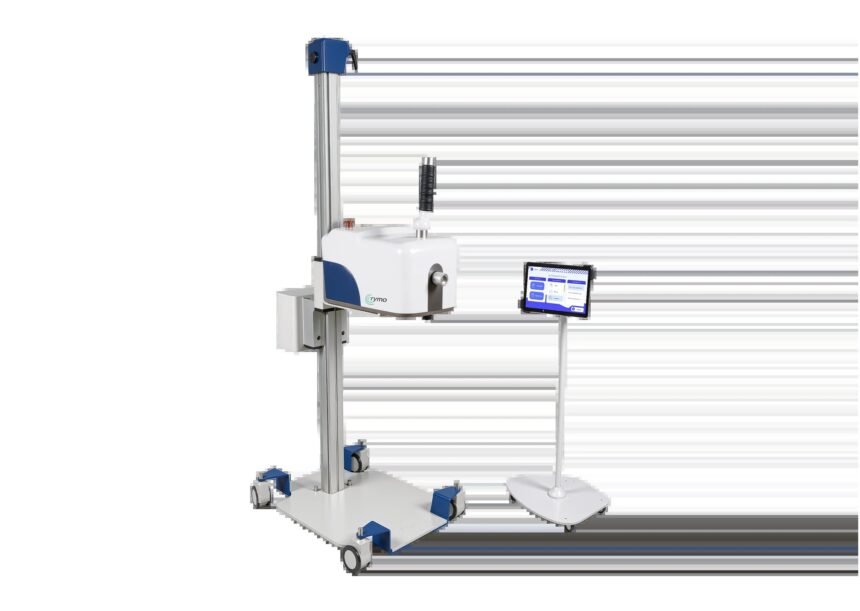
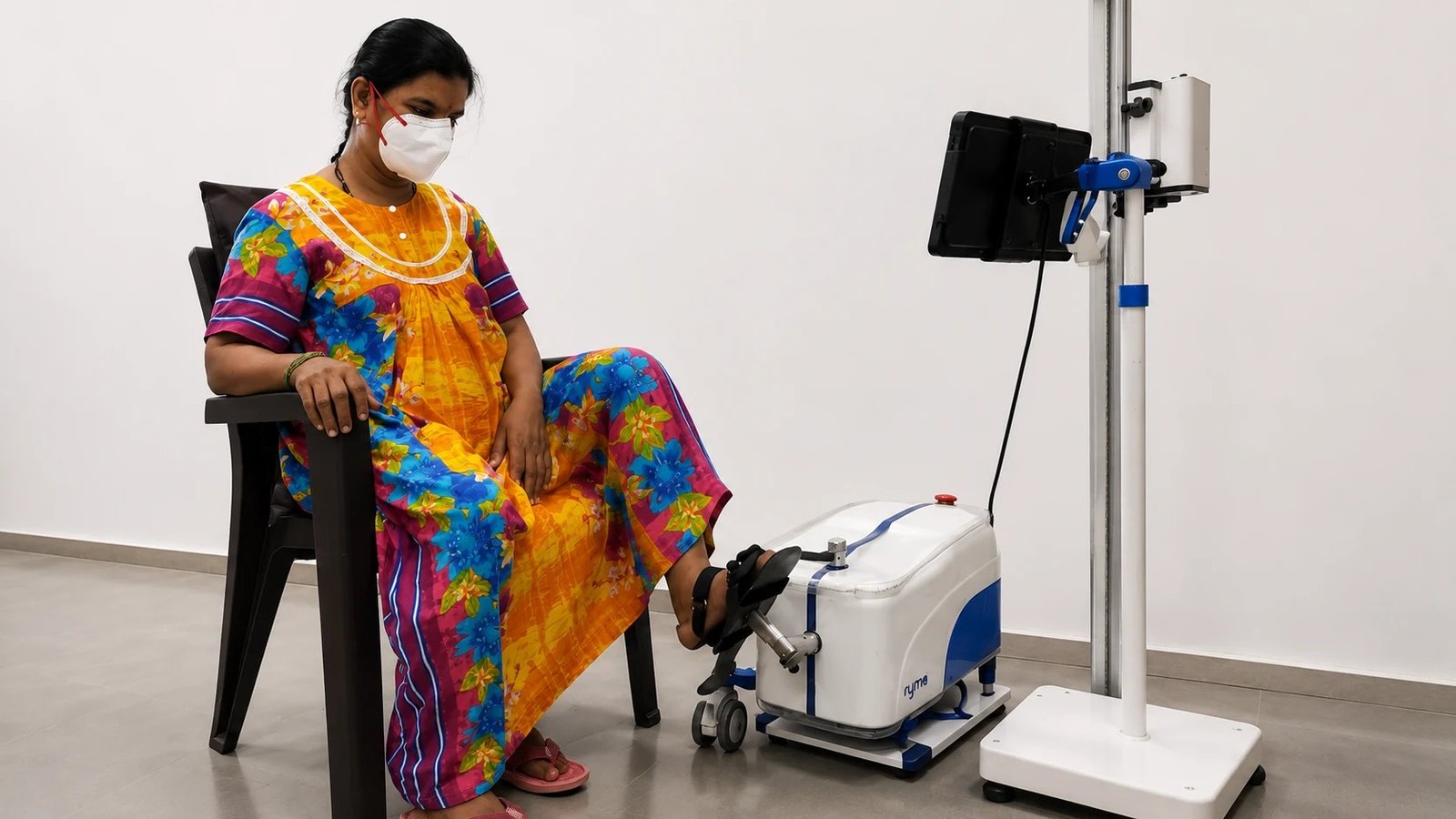
Rymo Technologies, a Navi Mumbai startup, built its answer to that problem into a machine that fits in six square feet of clinic floor. Its flagship system, Mobi-L, is a portable, patented multi-limb robotic rehabilitation device that guides patients through their exercises, measures every movement, and turns the hard work of recovery into something patients actually want to come back for.
One machine, seven joints, twenty exercises
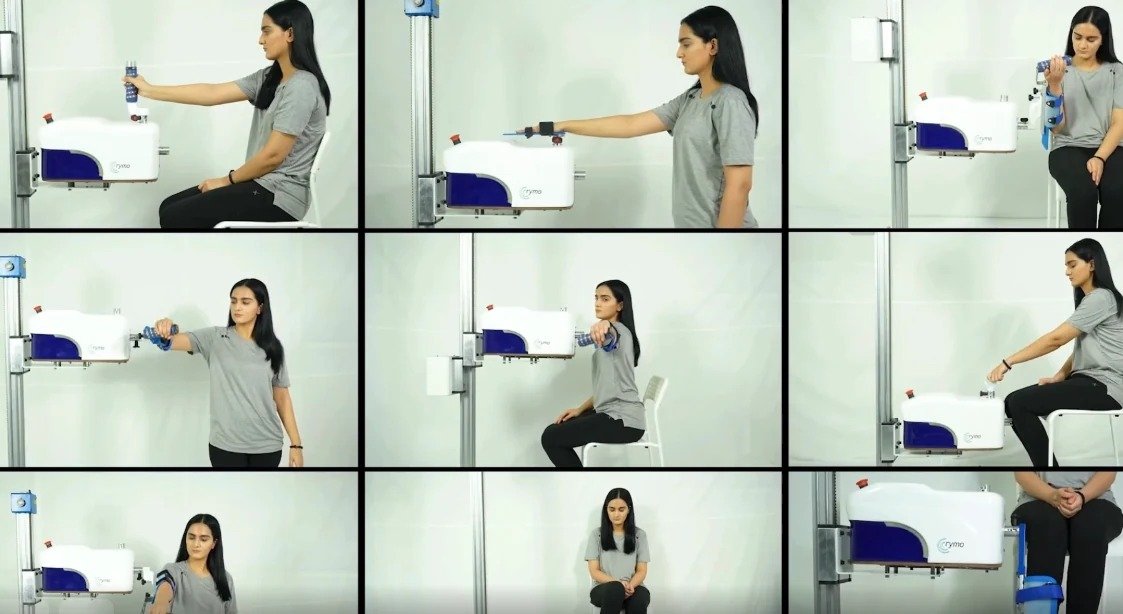
Mobi-L is designed to train the upper limb, the lower limb and the activities of daily living from a single compact unit. The company says it supports training across more than seven joints with over 20 exercises and more than 10 attachments, so a physiotherapist can build a personalised programme around exactly what each patient needs.
Training runs through more than eight modes, from assisted movement for patients who can barely move a limb, through to progressive resistance as strength returns. Along the way, the system records range of motion, strength, speed and reaction time in real time, and turns each session into graphical progress summaries that help therapists adjust the programme.
Perhaps the cleverest part is how Mobi-L keeps patients engaged. It carries more than 12 games across nine progressive challenge levels, plus 3D simulations of more than 15 everyday tasks. Recovery, the company says, works best when patients stay motivated — and a game that adapts to your ability is a far better reason to return tomorrow than a bare exercise chart.
Setup takes under 10 seconds, the company says, freeing therapists to spend their time on assessment and care rather than on assembling equipment.
More Read
Built for stroke, spinal injury and beyond
Mobi-L is used across neurological, orthopaedic and physiotherapy practice. For neurological patients — including those recovering from stroke, spinal cord injury, multiple sclerosis and ALS — the company says its repetitive, goal-oriented movements support neuroplasticity, the brain’s ability to rewire itself. For orthopaedic patients, it accelerates post-surgical and fracture rehabilitation with safe, controlled movement retraining. It also supports early mobilisation after cancer surgery and long-term rehabilitation for chronic conditions.
Rymo describes its devices as CDSCO-certified, and lists ISO 13485 medical-device quality management and IEC 60601 electrical safety standards among its certifications.
From one clinic to hundreds
The company, founded by Chirag Shah and Abhishek Rai, says its systems are now in more than 550 healthcare facilities across more than 45 cities in India, with over 700 installations and more than 50,000 therapy sessions delivered. At the time of its ₹10 crore seed round in March 2026, led by IAN Group, the company reported over 452 device installations and 354 clinical customers, including AIIMS, Apollo Hospitals and Manipal Hospitals, with more than 7,500 patients supported.
Mobi-L is not Rymo’s only system. MEND is a digital balance board for static and dynamic balance rehabilitation, NUDGE is a light-based, gamified system for cognition, reflex and agility training, and AURA XR is a wireless mixed-reality headset for upper-limb rehabilitation built around real-world daily activities.
Shah has said the company’s goal is to democratise world-class rehabilitation, so that no patient is left behind because of cost or infrastructure. Mobi-L is that idea in machine form: a small, portable robot that brings intensive, measurable, engaging therapy to clinics across India — and gives patients back the movements that matter most.
Keep reading: A Pebble on Your Temple: Inside Temple, the Wearable That Reads Blood Flow to the Brain · Gentle Currents, Measurable Change: Inside Marbles Health’s EASE 2.0 Brain Platform · More Chemicals, Materials & Life Sciences stories
Like stories like this? Add Exceptional Technology as a preferred source on Google to see more of our reporting in your search results and Discover feed.