There is a room in which a captain can dock a ship in a storm, lose an engine mid-channel, and thread a harbour entrance in thick fog — and walk out afterwards with the ship, the crew and the harbour all untouched. Zen Technologies has just made that room smarter. At the Mumbai Maritime Expo 2026 on 3 November, the Hyderabad-based defence technology company unveiled its next-generation Ship Handling Simulator through its wholly owned subsidiary, ARI Simulation, with an AI-enabled Instructor Module at its heart.
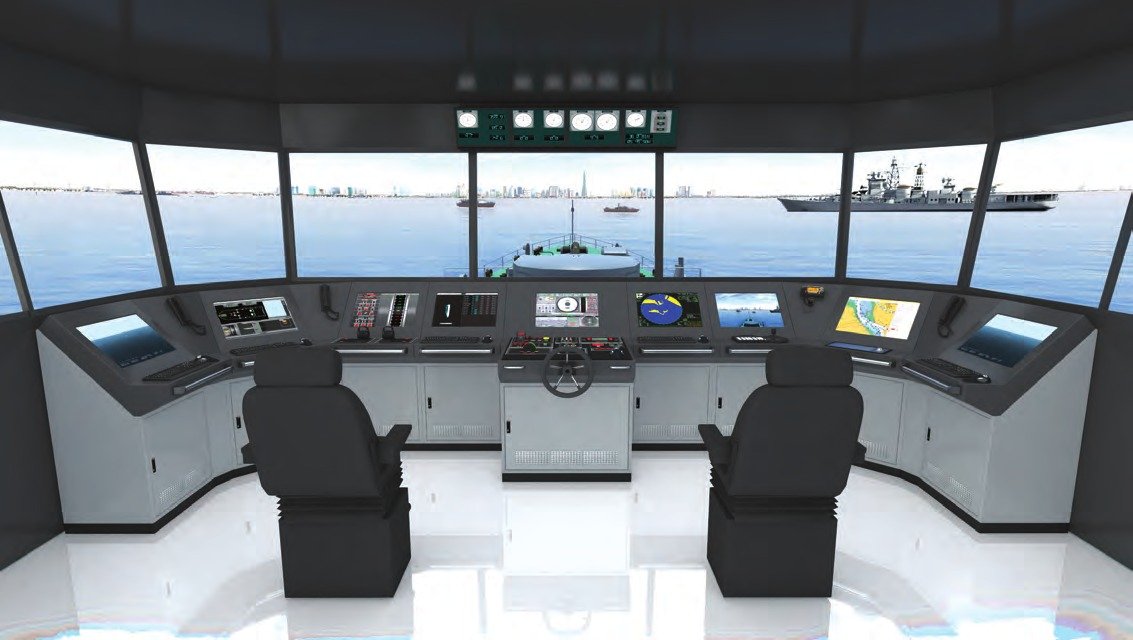
The new simulator is a complete rethink of how ship handling is taught. The company says it introduces a completely revamped visual environment, with enhanced graphical fidelity and realistic maritime scenarios that recreate the conditions a mariner actually faces at sea. Around that visual core sit three upgrades that change what a training session feels like.
A conning module built for precision
The first is the Advanced Conning Module, an intuitive interface for vessel manoeuvring that lets trainees develop precision in ship handling. Conning a ship — judging speed, drift, turn and stopping distance from the bridge — is a skill built on feel as much as on instruments, and the new module is designed to build that feel faster, through hands-on control in a fully simulated environment.
Virtual reality steps onto the bridge
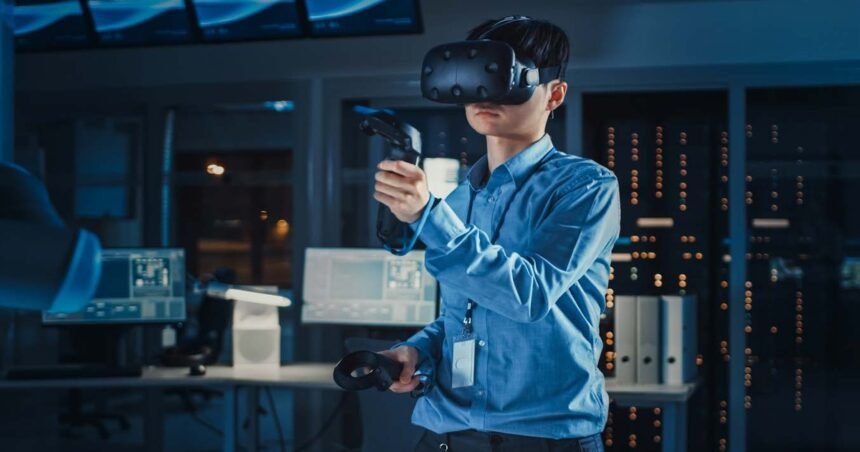
The second upgrade takes immersion a step further: virtual reality integrated with the Bridge Simulator, giving trainees an enhanced first-person training experience. Instead of watching a manoeuvre on a screen, the trainee stands on a virtual bridge, with the situational awareness that comes from looking around a real working environment. The company says the VR integration makes learning more engaging — and engagement is what turns a practised manoeuvre into instinct.
An instructor that learns with the trainee
The third upgrade is the one that gives the simulator its headline: the AI-enabled Instructor Module. Traditional simulators run fixed exercises; this one brings intelligence, interactivity and flexibility to training delivery. The instructor module adapts to the trainee, supports dynamic and engaging learning experiences, and lets instructors shape sessions around what each mariner needs most. The company describes the system as India’s first ship handling simulator with an AI-enabled instructor module.
Together, the upgrades deliver what Zen lists as the simulator’s key benefits: enhanced training realism, improved manoeuvring skills, an immersive learning experience, AI-enabled training, a safe training environment, and greater training flexibility. Trainees can practise, repeat and refine manoeuvres across different simulated conditions — including the complex manoeuvres and challenging scenarios that would be too risky, too expensive or simply impossible to rehearse on a real vessel.
More Read
Training without risk, at any scale
That safety dividend is the point of simulation. A ship handling mistake at sea can cost lives, cargo and coastline; a mistake in the simulator costs nothing but a debrief. The company says the new simulator enables practice of complex manoeuvres and challenging operational scenarios without exposing vessels, crew or infrastructure to real-world risks — and lets trainees repeat a manoeuvre until it is right, rather than once, under pressure, on a working ship.
The unveiling continues a busy maritime chapter for Zen and ARI. Just weeks earlier, on 22 October 2026, the company installed an Integrated Bridge and Engine Room Simulation solution at the International Navigation Training Center in Manila, Philippines, through ARI Simulation — a full-mission platform that connects navigation and propulsion machinery training so bridge and engine room teams can train together. The Philippines supplies nearly one in every five seafarers deployed worldwide, the company notes, making it one of the most important training markets on the planet.
The company behind the simulator
ARI Simulation — Applied Research International — is the naval and marine simulation arm of Zen Technologies. The company says it has delivered more than 1,500 installations across over 60 countries, with over 28 years of expertise in simulation and virtual reality training for the defence, maritime and offshore industries. Its marine and offshore simulation range carries DNV approval to the highest Class A standard, and its portfolio spans bridge operations, engine room management, cargo handling, vessel traffic management and specialised maritime applications.
Zen Technologies itself is a Hyderabad-based technology company specialising in combat training solutions, simulation systems and counter-drone technologies for defence and security forces. Through ARI, it is steadily extending that simulation pedigree from naval training into commercial maritime training — where the same fidelity that prepares a warship crew can prepare the merchant mariners who carry world trade.
The next-generation Ship Handling Simulator is a reminder of what Indian engineering does best: take a hard, high-stakes human skill, and build a machine that teaches it better, safer and at a scale the real world could never offer. The sea will always be unforgiving. Thanks to rooms like this one, the people who sail it don’t have to learn that the hard way.
Keep reading: Fifteen People, Five Warships: Inside AstraYAN’s Propulsion Win for the Navy’s Next Corvettes · Designed by the Navy, Built in Kolkata: Inside GRSE’s Five Next-Generation Corvettes · More Shipbuilding & Maritime stories
Like stories like this? Add Exceptional Technology as a preferred source on Google to see more of our reporting in your search results and Discover feed.