Every year, tonnes of tomatoes never make it to a plate. They are too small, too bruised, too ripe, or simply surplus — and they rot in mandis and processing units across India. At the same time, the leather industry that clothes and accessorizes the world leaves behind polluted water and chemical waste. In Mumbai, a biotechnology student looked at both problems and saw a single answer: a material made from the tomatoes nobody wanted, engineered to behave like leather.
That material is Bioleather, and the company behind it is The Bio Company. It is a leather-like sheet built from discarded tomato by-products — and it is already being stitched into handbags, shoes and jackets.
A tannery visit that started it all
The idea began with Pritesh Mistry, a biotechnology student at Mumbai’s Thadomal Shahani Engineering College. On a college trip to the leather tanneries of Kanpur, he saw first-hand the pollution that comes with turning animal hide into leather — the chemicals, the effluent, the toll on water and workers. He came home determined to find another way.
Months of experimentation followed. Mistry founded The Bio Company in 2019, while still in his early twenties, and kept refining the formulation until the waste he had started with behaved like a real material: flexible, strong, and ready to be cut and stitched.
From tomato skins to a leather-like sheet
Bioleather starts where the food chain ends. The Bio Company collects discarded tomato by-products — skins, seeds and pomace — from farms and food-processing units. Tomato skins and seeds are rich in pectin and fibrous compounds, which give the finished sheet its flexibility and structure. The company extracts those fibres and combines them with biopolymers, plant-based binders and natural fibres, backing the sheet with cotton.
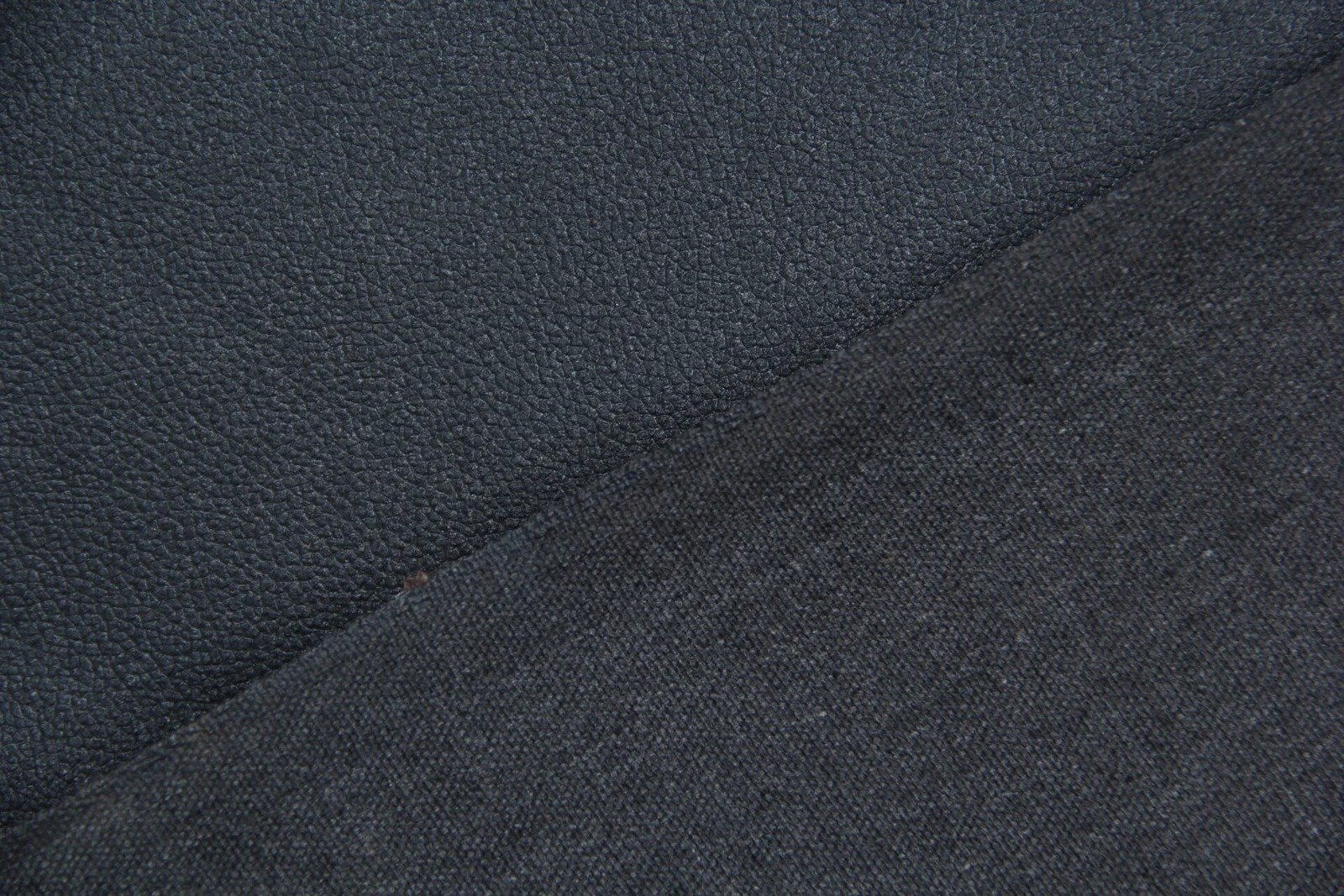
The result is a material the company describes as vegan and biodegradable — and, unlike most synthetic leather alternatives, made without polyurethane or PVC, the two plastics that dominate faux leather. It looks and feels like leather, with a pebbled grain that takes dye and stitching like the real thing.
More Read

From the lab to the runway
What began as a college project is now a working production line. A February 2025 industry report put the company’s output at about 5,000 metres of Bioleather a month, and the material has found its way into handbags, footwear, jackets and even automotive interiors. The work earned the Best Innovation in Textile award at the 2021 PETA Vegan Fashion Awards, and the company says it is also exploring microbial leather grown from bacteria.
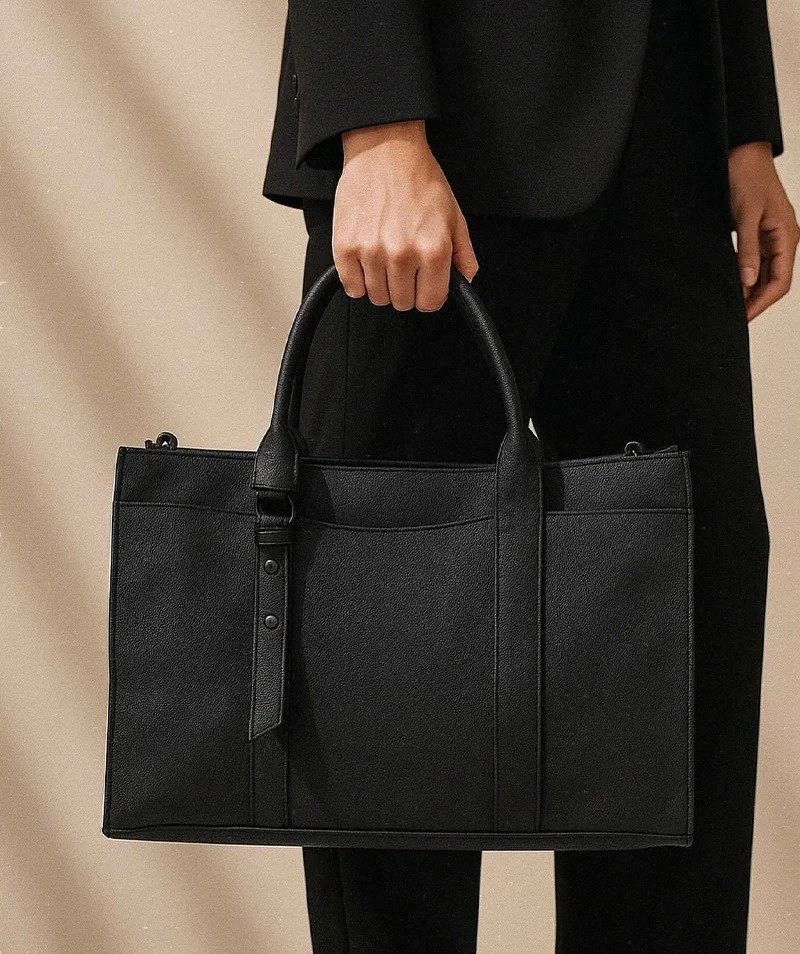
The clearest sign that Bioleather has crossed from curiosity into commerce comes from Toronto, where handbag label Satuhati began designing samples with the material in 2024 and moved into commercial production a few months later. For a material born from rejected tomatoes, that is a remarkable journey — from the mandi floor to a finished handbag on a shop shelf.
Why it matters
Bioleather tackles two of India’s quietest waste problems at once: the food that rots before it is eaten, and the pollution that comes with making leather the old way. Every metre of it is a small pile of farm waste that did not go to a dump, and a small piece of leather that did not come from a tannery.
It is also a glimpse of a different kind of Indian manufacturing — one where the raw material grows in a field, the chemistry happens in a lab, and the finished product competes on a runway. The Bio Company is still a young venture, but it has already shown that a discarded tomato can become something worth wearing. That is the kind of alchemy Indian engineering does best.
Keep reading: Five Tests in One Handheld: Inside Yostra’s NEURO TOUCH, the Bengaluru Device Catching Diabetic Nerve Damage Early · From Venom to Medicine: Inside Venomics AI, the IISc Spinout Turning Nature’s Deadliest Molecules Into New Drugs · More Chemicals, Materials & Life Sciences stories
Like stories like this? Add Exceptional Technology as a preferred source on Google to see more of our reporting in your search results and Discover feed.