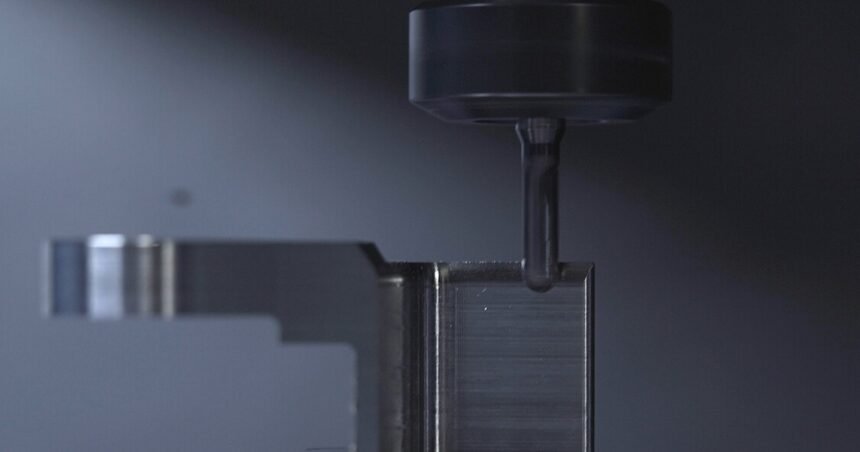
A solar tracker turning in a Rajasthan field. A transformer humming at a substation. A laptop motherboard fresh off an SMT line. Three different products, three different industries — and behind all of them, the same factory system. That is the quiet idea at the heart of Zetwerk, the Bengaluru company that has spent nine years turning India’s scattered manufacturing capacity into a single, software-run factory.
Zetwerk Manufacturing Businesses was founded in December 2017 by Amrit Acharya and Srinath Ramakkrushnan. What began as a way to connect customers with the right factory has become one of India’s largest manufacturing platforms: a technology-led, asset-light network that the company calls the Universal Factory — roughly 7,000 suppliers, 26 of its own plants, more than 1,800 customers and 3,000 people, all run as one operation through its own software, Zetwerk OS.
The Universal Factory
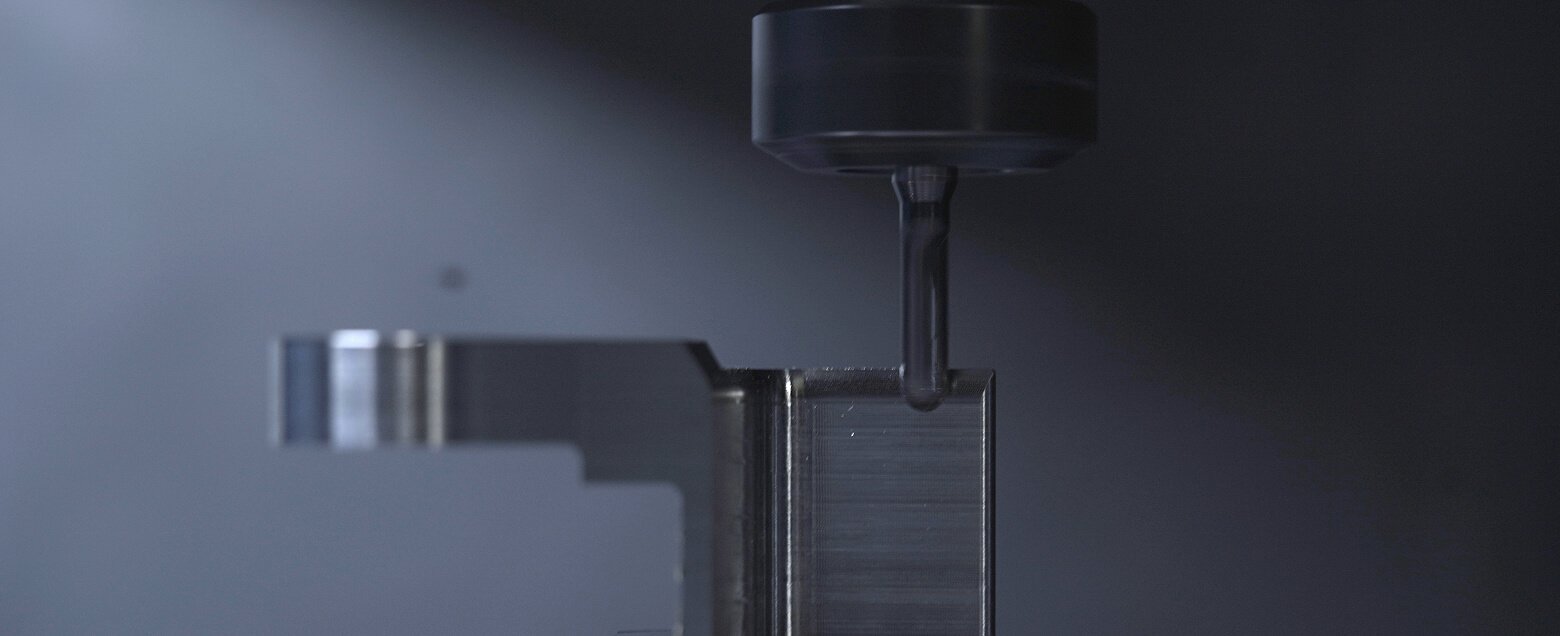
The heart of the idea is simple: most factories sit idle much of the time, while most customers struggle to find the right factory at all. Zetwerk OS closes that gap. A customer brings a drawing and a specification; the platform matches the job to the best supplier, prices it, plans production, checks quality at every stage, tracks logistics and reports back with photos, inspection reports and live dashboards. The company says the system handles tens of thousands of project updates every month, so a customer ordering from the other side of the world can watch their part being made almost as if they were standing on the shop floor.
The scale of that network is what makes it work. As of March 2026, Zetwerk served 1,802 customers — including 102 of India’s Fortune 500 companies — supported by 6,979 third-party suppliers across 26 countries and 26 owned manufacturing facilities across four countries. More than 80% of its manufacturing revenue comes from repeat customers, the company says: once a customer has a part made through the platform, they tend to come back with the next one.
What the factory makes
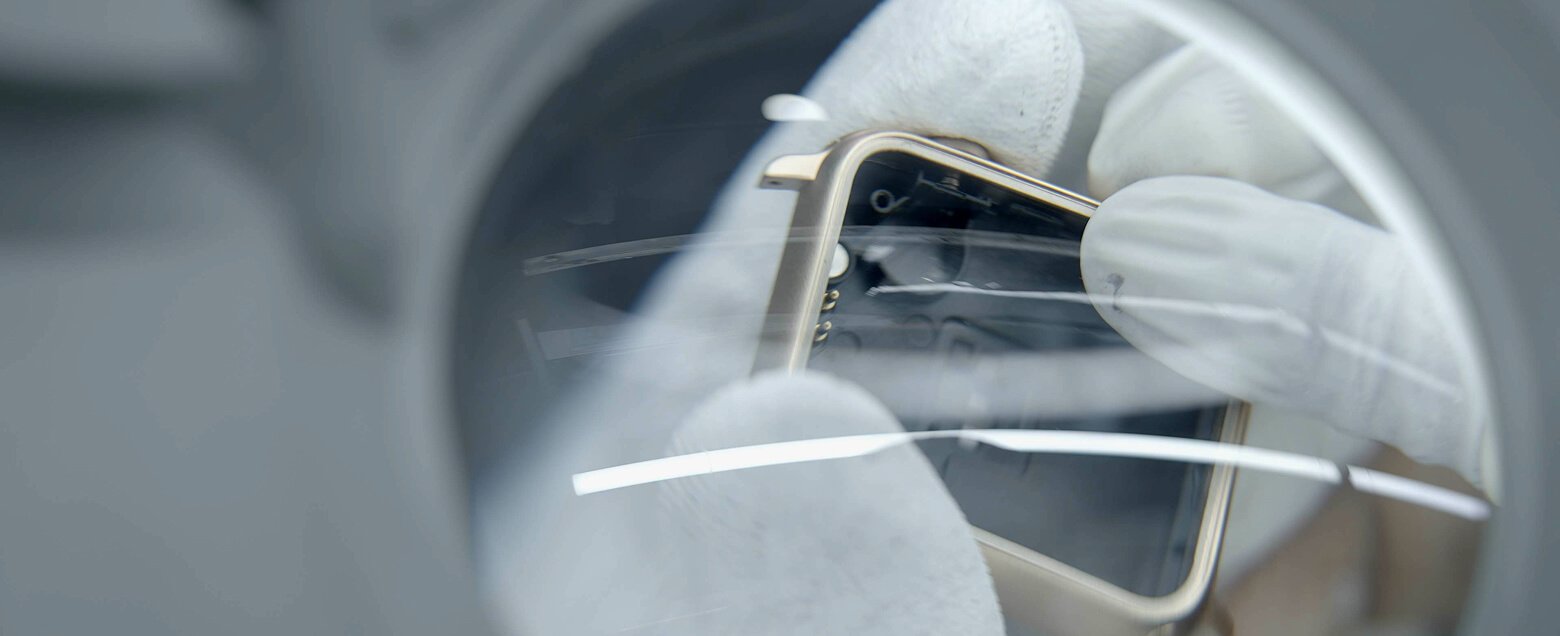
Energy is the largest of Zetwerk’s three manufacturing lines. It builds the steel that carries India’s energy transition — solar torque tubes and trackers, solar modules, wind turbine components, power transformers, cables and EV chargers — for customers that include Siemens Gamesa and NTPC. Its capital goods line makes the heavy equipment of industry: pressure vessels, reactors, heat exchangers, refinery and boiler parts and steel structures. And its precision line turns out the small, exact things: laptops, televisions, circuit boards, earbuds and smartwatches, alongside machined and moulded parts for aerospace and defence customers including DRDO, the Indian Air Force, HAL and BHEL.
Factories of its own
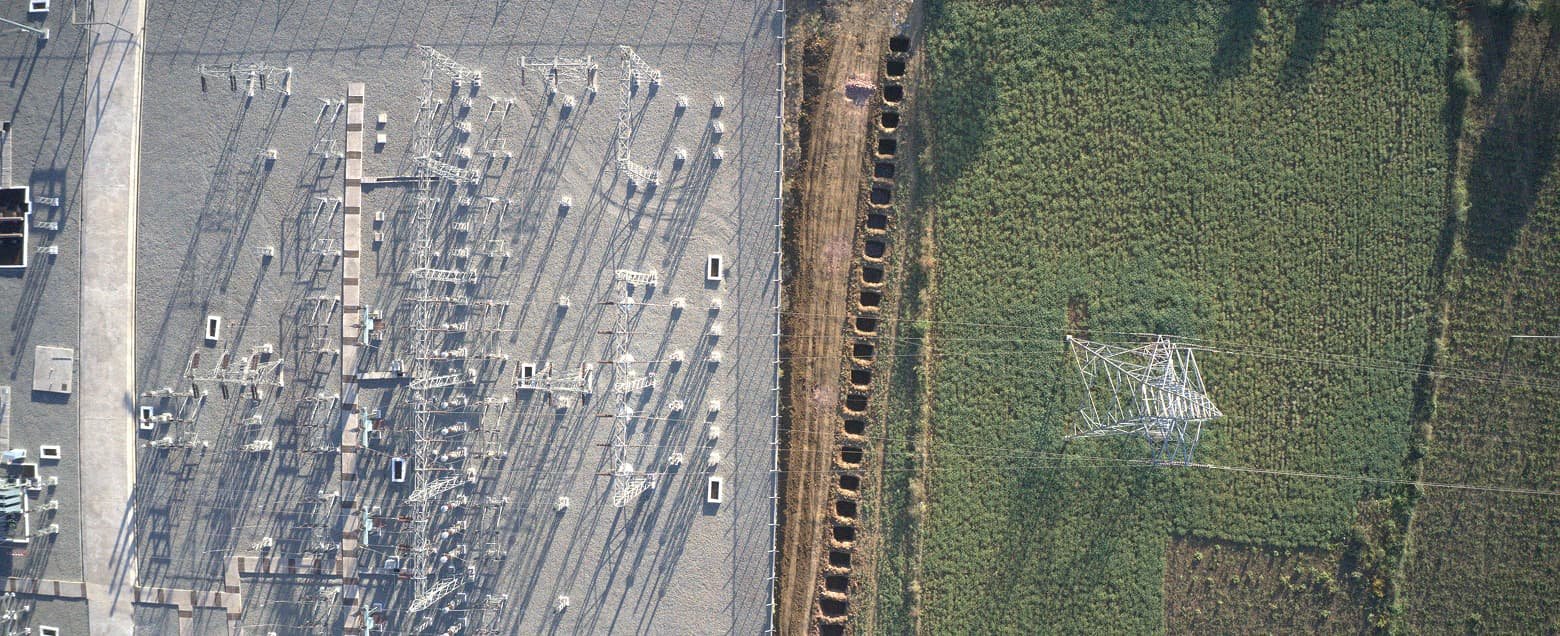
For all its talk of a network, Zetwerk keeps building its own plants too. In March 2025, Zetwerk Electronics inaugurated its largest electronics facility — a 15-acre campus at Pannur near Chennai with five SMT lines making control boards for washing machines, refrigerators, air conditioners and IT hardware, and room for around 1,200 people at full capacity. In February 2026 it opened a ₹100-crore defence electronics facility in Bengaluru’s Devanahalli, a 100,000-square-foot unit with SMT and final-assembly lines, clean rooms and an environmental stress-testing laboratory, built to make avionics, electronic-warfare and electric-vehicle components — battery management systems, charging stations and lighting — to aerospace and defence standards. The company acquired Pinaka Aerospace in 2022, and its plants carry AS 9100D aerospace and ISO 9001 quality certifications.
More Read

The numbers behind the machine
The platform’s growth has been fast. Revenue reached ₹15,913 crore in FY26, up 40% on the previous year, with a manufacturing order book of ₹13,062 crore at the end of June 2026 and cumulative goods worth ₹74,374 crore delivered since the company began. On 23 October 2026, Zetwerk listed on the BSE and NSE after a ₹5,012-crore IPO that was subscribed 3.06 times, with shares listing at ₹159 against a ₹151 issue price. As co-founder and CEO Amrit Acharya put it on listing day, the ambition is to build a world-class industrial institution that brings software and hardware together — one factory that can make almost anything, for anyone, anywhere.
India has always known how to make things. Zetwerk’s bet is that the country can make everything — for everyone, at any scale — once the factory itself is rebuilt as software, and the proof is now sitting in a substation, a solar field and a laptop, all at once.
Keep reading: Listening to Concrete: Inside Nirixense, the IIT Bombay Startup Keeping India’s Bridges Standing · Sold Out in Days: Inside Rotoris, the Gurugram Watch House Building India’s Global Luxury Brand · More Manufacturing & Engineering stories
Like stories like this? Add Exceptional Technology as a preferred source on Google to see more of our reporting in your search results and Discover feed.