Every winter, the fields of north India burn. Millions of tonnes of rice straw and sugarcane bagasse go up in smoke because there is nothing better to do with them — and every year, the haze drifts over the same cities, the same headlines, the same shrug. In Bengaluru, a small team of former Tesla engineers looked at that smoke and saw something else entirely: a chemical plant, waiting to be built.
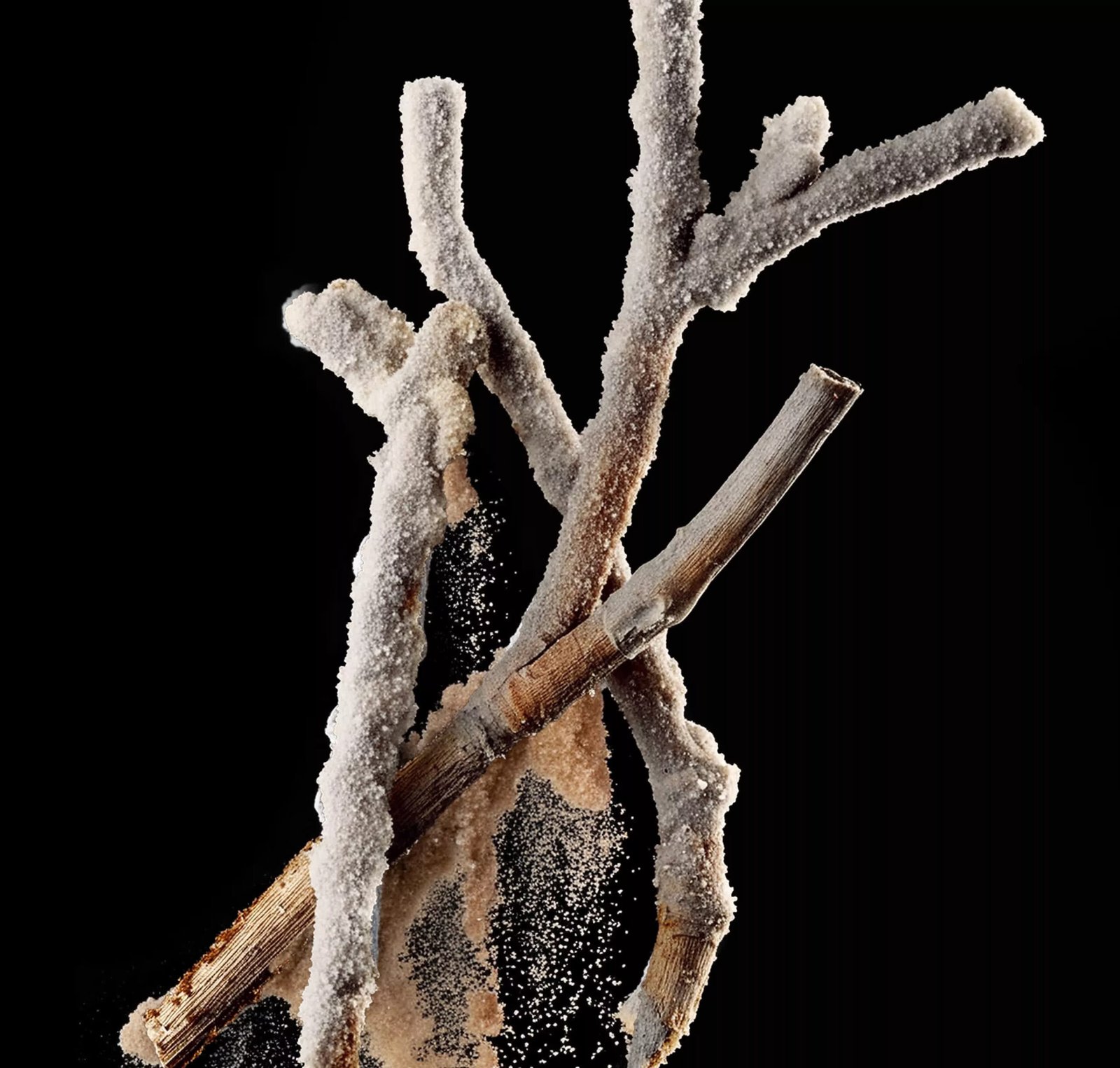
That is the idea behind altM, a Bengaluru startup that turns agricultural residue into the industrial chemicals India currently makes from oil. Its proprietary biorefinery, which the company calls altMorph, takes the parts of a plant nobody wants — bagasse, rice straw, wheat straw, coconut husk, grasses — and pulls them apart into cellulose, hemicellulose and lignin, the three fractions that become the raw materials of modern life: cosmetics, adhesives, textiles, packaging, construction chemicals and more.
altM was founded in 2022 by Apoorv Garg and Yugal Raj Jain, both former Tesla manufacturing leaders, with bioprocessing scientist Dr Harshad Velankar joining later as chief scientific officer. The company has spent the years since proving that a biorefinery can be more than a laboratory curiosity — and in February 2026 it commissioned an integrated biorefinery pilot facility in Bengaluru’s Electronic City, bringing laboratory research, demonstration manufacturing and pilot production under one roof.
The refinery that runs on leftovers
The altMorph process works in three phases and eight steps. First, biomass is aggregated from many sources and preprocessed to remove impurities. Then a low-severity thermochemical process breaks it into its constituent fractions — biopolymer fractionation, separation and purification. Finally, catalytic upgradation activates the biopolymers, derives higher-value chemicals from them and finishes them to the specifications each end use demands.
What makes the design different is that it uses all of the plant. Most biorefineries chase one fraction and discard the rest; altM’s process is built to take the cellulose, the hemicellulose and the lignin from a single feedstock and turn each into products. And because the process is feedstock-agnostic — bagasse one week, rice straw the next, industrial bio-residue after that — it can follow whatever residue is cheapest and most plentiful, instead of depending on a single crop in a single season.
The company says the approach is a direct answer to a structural problem: India’s chemical industry runs largely on imported fossil feedstocks, while its farms produce vast quantities of residue that is burnt or sold for almost nothing. Turning the second into the first, at industrial scale, is the whole bet.
More Read

From lab bench to pilot plant
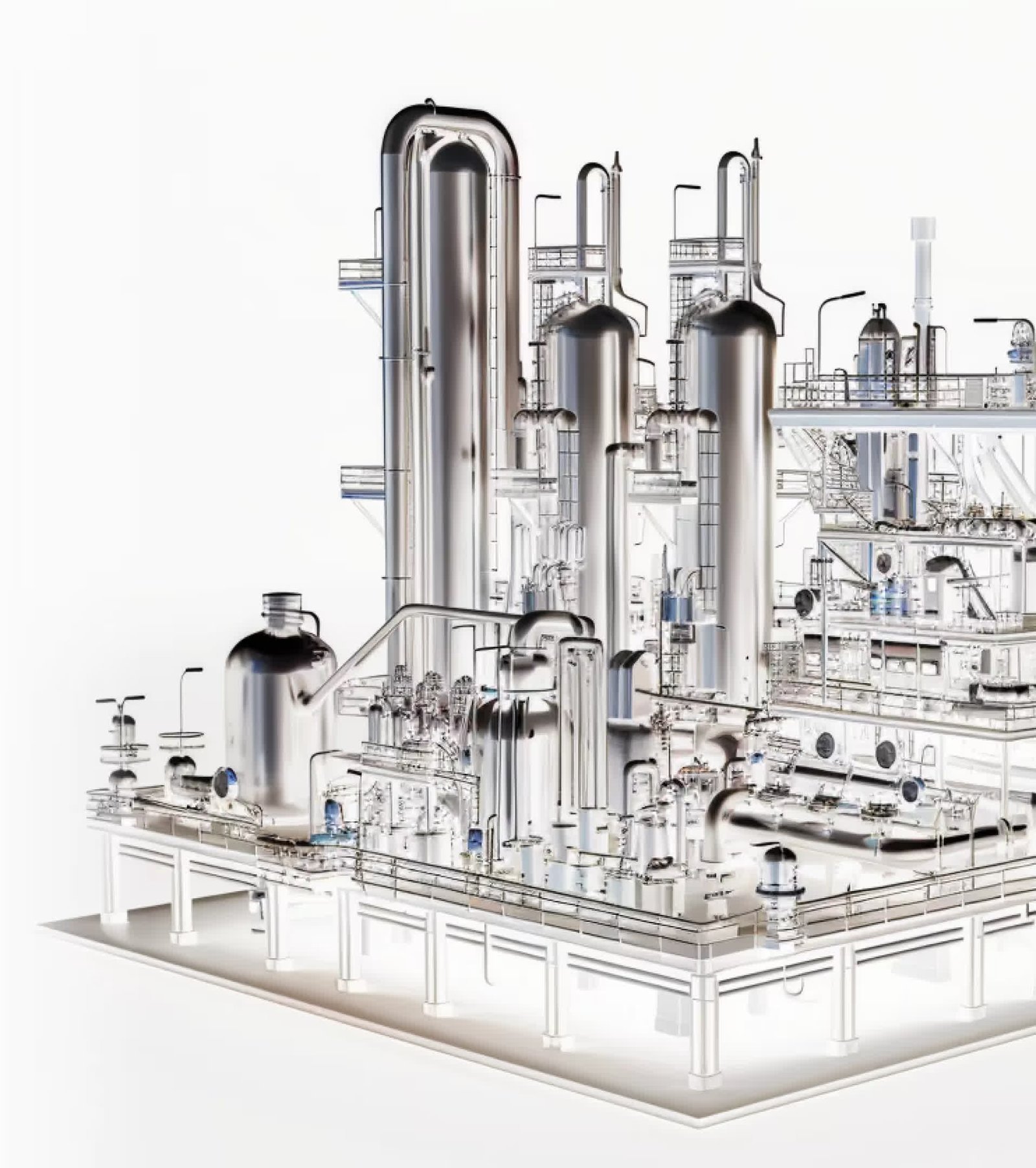
The Electronic City pilot is where that bet is being tested in the open. The company says it has taken six molecules to demonstration scale and picked three for pilot production, and the 70-tonne-a-year pilot plant — installed through late 2025 and finished in 2026 — is now in pre-production, working through the certifications and validations that come before commercial volumes.
The first products heading for the market show how broad the platform is. There is a lignin-derived SPF booster for suncare, a cellulose-based rheology modifier that thickens and stabilises formulations, and bio-derived ferulic acid for cosmetics and personal care — the beauty and personal care segment is first, with products due to launch in the coming quarter. A formaldehyde-free lignin wood adhesive is also in the portfolio, and the company’s research pipeline stretches into construction, electronics, automotive, polymers and battery materials.
The industrial logic is already drawing partners in. In February 2026 altM signed an MoU with Numaligarh Refinery to explore using lignin from bio-ethanol production — the kind of tie-up that turns a refinery’s by-product stream into a second revenue line. The company has filed multiple patents covering its biomass deconstruction and upgradation processes.

The scale-up
On 5 November 2026, altM raised $10.3 million in a Series A round led by Rainmatter by Zerodha and Mela Ventures, with existing backers Omnivore, Theia Ventures, Aureolis Ventures and Spectrum Impact also participating. The money funds the move from pilot scale to commercial manufacturing: a 1,000-tonne-a-year commercial plant by 2028, and a longer-term target of 10,000 tonnes a year over five years.
It is a bet that lands at a useful moment. India’s BioE3 policy is pushing bio-based chemicals and the use of agricultural residues over fossil-derived inputs, and the same logic that makes altM’s feedstock cheap — residue that would otherwise be burnt — makes its products attractive to manufacturers hunting for lower-carbon inputs that drop straight into existing production lines.
India grows the residue, burns most of it, and imports the chemicals it could have made from it. altM’s answer is to close that loop in a single building — and if the pilot plant in Electronic City does what the company says it will, the next sunscreen, the next adhesive and the next rheology modifier on a factory shelf could all have started life as a field of stubble.
Keep reading: Water From Thin Air: Inside Aeronero, the Chennai Startup Pulling Drinking Water Out of the Sky · A Living Machine in the Living Room: Inside Greenwater Scientific’s Algae Air Synthesizer · More Chemicals, Materials & Life Sciences stories
Like stories like this? Add Exceptional Technology as a preferred source on Google to see more of our reporting in your search results and Discover feed.