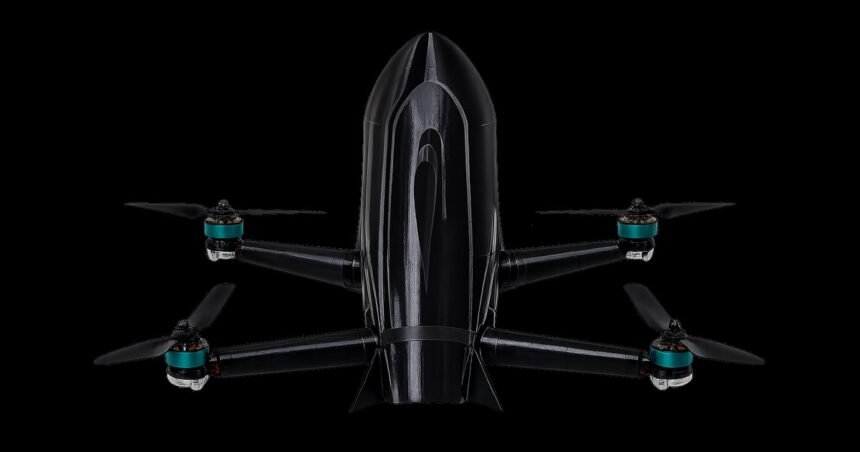
For years, the drones flying for India were either expensive Western imports or machines built on open-source software and Chinese parts — easy to jam, easy to hack, and impossible to fully trust in a fight. In Chennai, a father-and-son team decided that was a problem worth solving from the ground up. Zuppa Geo Navigation Technologies builds the whole drone — airframe, autopilot, software and all — in India, and its machines have now flown where it matters most: along the Line of Control, in the middle of a war.
Zuppa is the work of Sai Pattabiram and his son Venkatesh Sai. The idea took shape in 2011, when Pattabiram was working with the National Aerospace Laboratories and Anna University on the National Programme on Micro Air Vehicles, building a man-portable backpack drone. That project taught them a lesson that became the company: motors, batteries and controllers are easy to buy, but the autopilot — the brain that flies the machine — is the part that decides whether a drone is truly yours. So they set out to build that brain themselves, and the drones around it.
The autopilot is the brain
At the heart of every Zuppa drone sits NavGati, the company’s in-house autopilot. It is a motherboard that takes in data from the drone’s sensors and controls movement across all three axes, running on indigenous printed circuit boards and processors developed with the Centre for Development of Advanced Computing (C-DAC). The company says its autopilot systems carry certification from the government’s Standardisation Testing and Quality Certification (STQC) Directorate, and its drones are certified to OWASP 4.0, the international benchmark for cybersecurity.
The thinking inside NavGati is what Zuppa calls Disseminated Parallel Control Computing — an architecture that processes many signals at once, the way a brain does, so the drone can make split-second decisions like dodging an obstacle while still following its mission. The Indian Patent Office granted the patent for it in April 2024 after a nine-year evaluation, and the company says it now holds more than 100 core intellectual properties across Indian and international patents. Even the processors are chosen with independence in mind: the hardware runs on STM32 chips sourced from Malaysia, France and the United States, deliberately avoiding reliance on China.
Alongside NavGati sits Drishaya Vision, which uses live camera feeds for real-time piloting, and a swarming capability that lets multiple drones coordinate like a flock. The result is a machine built to keep flying where other drones give up: Zuppa says its drones operate from sea level to 18,000 feet, in GPS-denied zones and under heavy electronic warfare.
Proven where it matters most
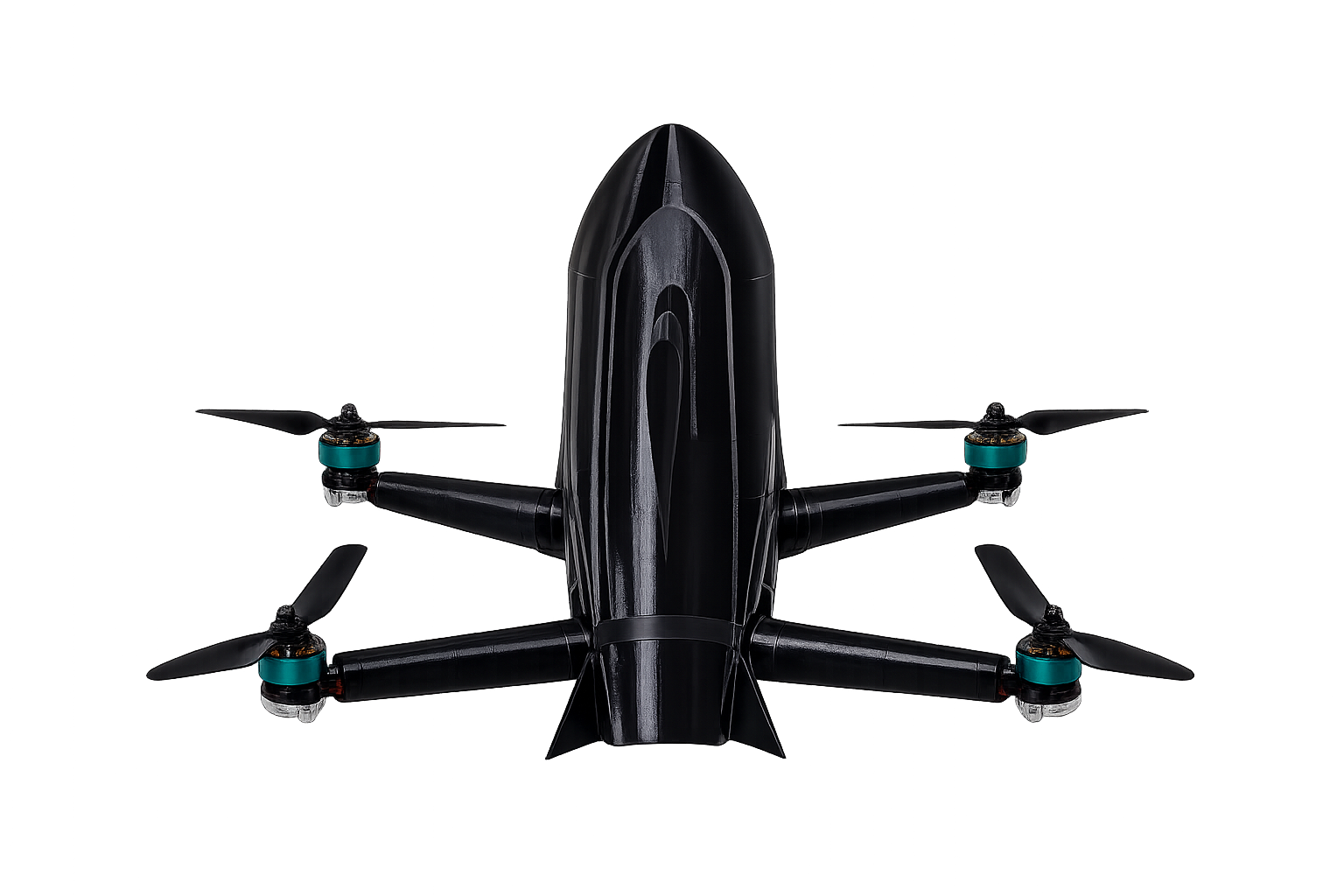
That promise was put to the test during Operation Sindoor, when the Indian armed forces flew Zuppa’s Hawk, Scout and Eagle drones for early warning, monitoring enemy movement and assessing potential attacks. The company says its Hawk drone gave troops the ability to monitor up to 2 km inside enemy territory along the Line of Control, and that 34 of its drone units flew around Pathankot through intense electronic warfare. It is the kind of trial no laboratory can stage — and the drones came through it.
More Read

The Army’s confidence shows in the numbers. Zuppa delivered more than 500 of its Ajeet-series drones to the Indian Army in early 2026, and the company says it has now logged close to 1,250 successful deployments. Around 90% of the components in its drones are indigenous, the company says, and its Chennai facility can produce about 500 drones a month.
One brain, a family of drones
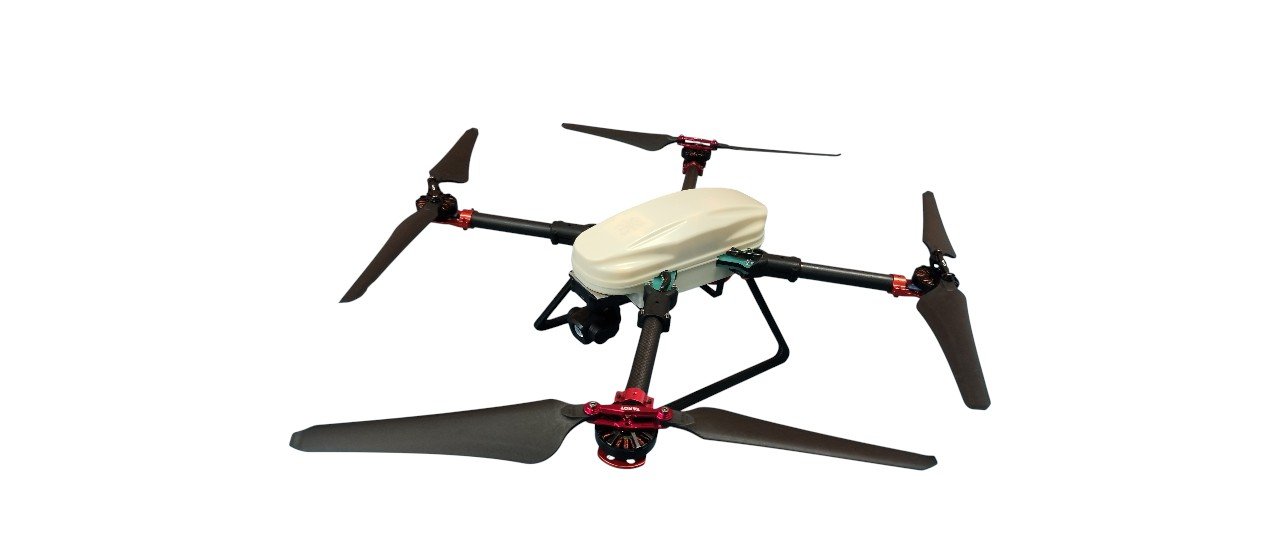
NavGati powers a whole family. The Hawk, Scout and Eagle handle surveillance, mapping and reconnaissance, carrying and dropping payloads with precision-guidance software. The Ajeet Mini is the compact member of the family — built, the company says, as a homegrown alternative to the Chinese drones that dominate the small-drone market. Every Ajeet drone is fully designed and built in India, and every one of them runs on the same in-house autopilot, so a lesson learned on one machine flows straight into the rest.
The same stack reaches beyond the battlefield. Zuppa has delivered a man-portable backpack drone to the National Aerospace Laboratories, deployed 8,000 to 9,000 vehicle tracking systems — mainly in Kerala — and worked with Hyundai, John Deere and Mahindra on inventory management, precision agriculture and autonomous vehicle technology. The company has also partnered with Garuda Aerospace and DroneAcharya, and works with the Madras Regimental Centre of the Indian Army.
What comes next
Zuppa is now building its next leap: interceptor drones that fly as swarms of loitering munitions, developed with the Indian Army. The company is raising up to $10 million to expand its technology centre and engineering team and to take its drones to the Middle East and Europe, where demand for non-Chinese drone technology is growing fast. After closing the last financial year with revenue of Rs 8 crore, the company expects to grow that roughly tenfold this year, to Rs 70–80 crore.
“The autopilot, however, is the brain of the drone, enabling flight, navigation, and autonomy,” says Sai Pattabiram, Zuppa’s founder and managing director. “Our long-term goal is to make India a trusted global partner in unmanned systems by using our patented technology and complete control over the tech stack to compete internationally.”
Fifteen years ago, the autopilot was an idea sketched out in a national research programme. Today it is a certified, battle-tested system flying Indian-built drones for the Indian Army — and the company that built it is already designing the interceptors that come next. The drone revolution India was waiting for is not being imported any more. It is being built in Chennai, one autopilot at a time.
Keep reading: Inside Vector Technics, the Hyderabad Company Building the Motors That Power India’s Drones · Inside Trishul Space, the Prayagraj Startup Building a Plug-and-Play Rocket Engine for India’s Small Launchers · More Aerospace & Defense stories
Like stories like this? Add Exceptional Technology as a preferred source on Google to see more of our reporting in your search results and Discover feed.