


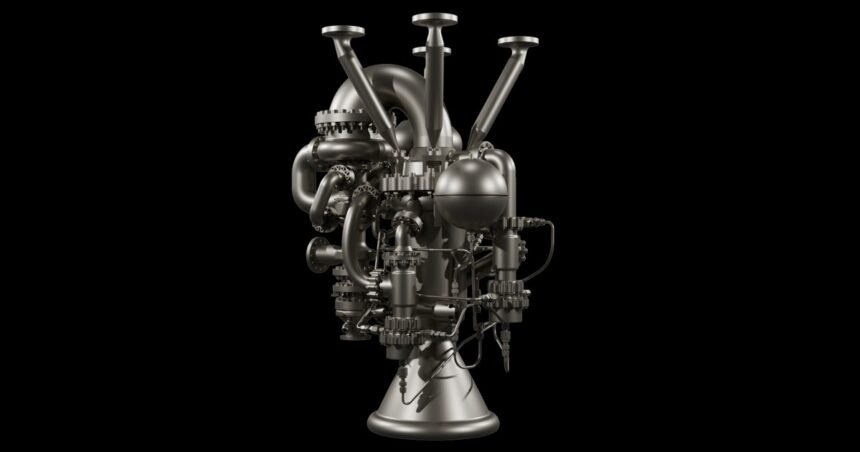
Every new Indian launch vehicle faces the same wall: the engine. It is the hardest part to design, the slowest to build, the most expensive to test — and the part no young rocket company wants to start from scratch. In Prayagraj, a small team is building a way around that wall: a ready-to-integrate rocket engine that a launch-vehicle maker can bolt on instead of building from zero.
Trishul Space is a rocket-propulsion startup founded in 2022 by Aditya Singh, Divyam and Rajat Choudhary. Headquartered in Prayagraj, Uttar Pradesh, the company works out of IIT Delhi’s Research & Innovation Park, and its pitch is simple — propulsion as a finished product, not a multi-year research project.
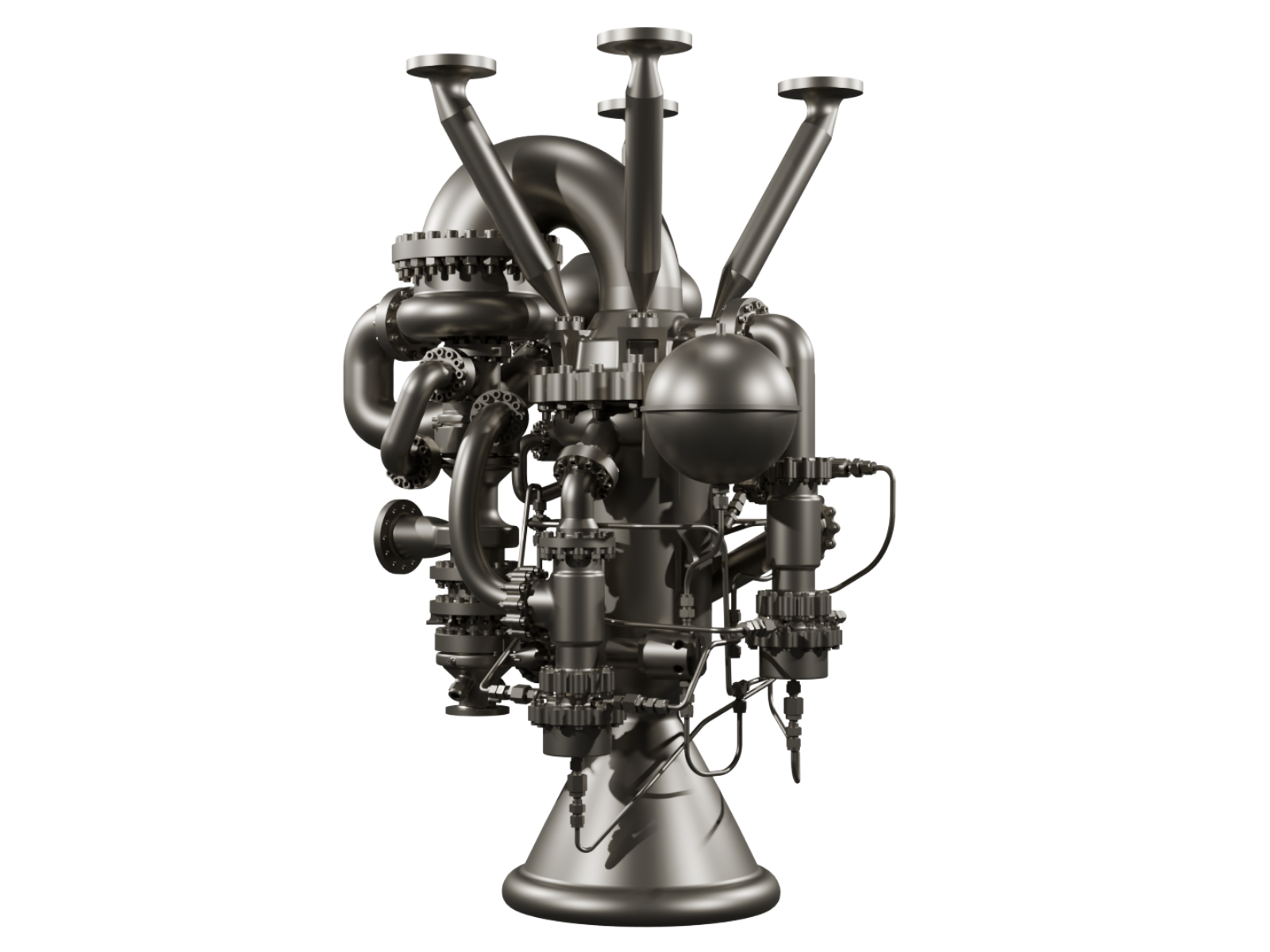
Harpy-1: a 25 kN engine built to bolt on
Harpy-1 is the company’s flagship: a cryogenic liquid rocket engine running on methalox — liquid natural gas and liquid oxygen — built around a fuel-rich staged combustion cycle, the most efficient configuration for an engine of its class. The company says the 25-kilonewton engine is targeting a specific impulse of around 345 seconds, and pairs the combustion cycle with AI-driven failure detection that watches the engine’s health — the turbopump in particular — and flags anomalies during tests.
The idea is modularity. Instead of every launch startup designing its own engine, Trishul Space wants Harpy-1 to arrive as a ready-to-use propulsion system for small satellite launch vehicles, serving private launch companies and government programmes alike. The company raised ₹4 crore in a pre-seed round in November 2025, led by the IAN Angel Fund with 8X Ventures and ITEL, to fund research and testing of the turbopump technology at the heart of the engine.
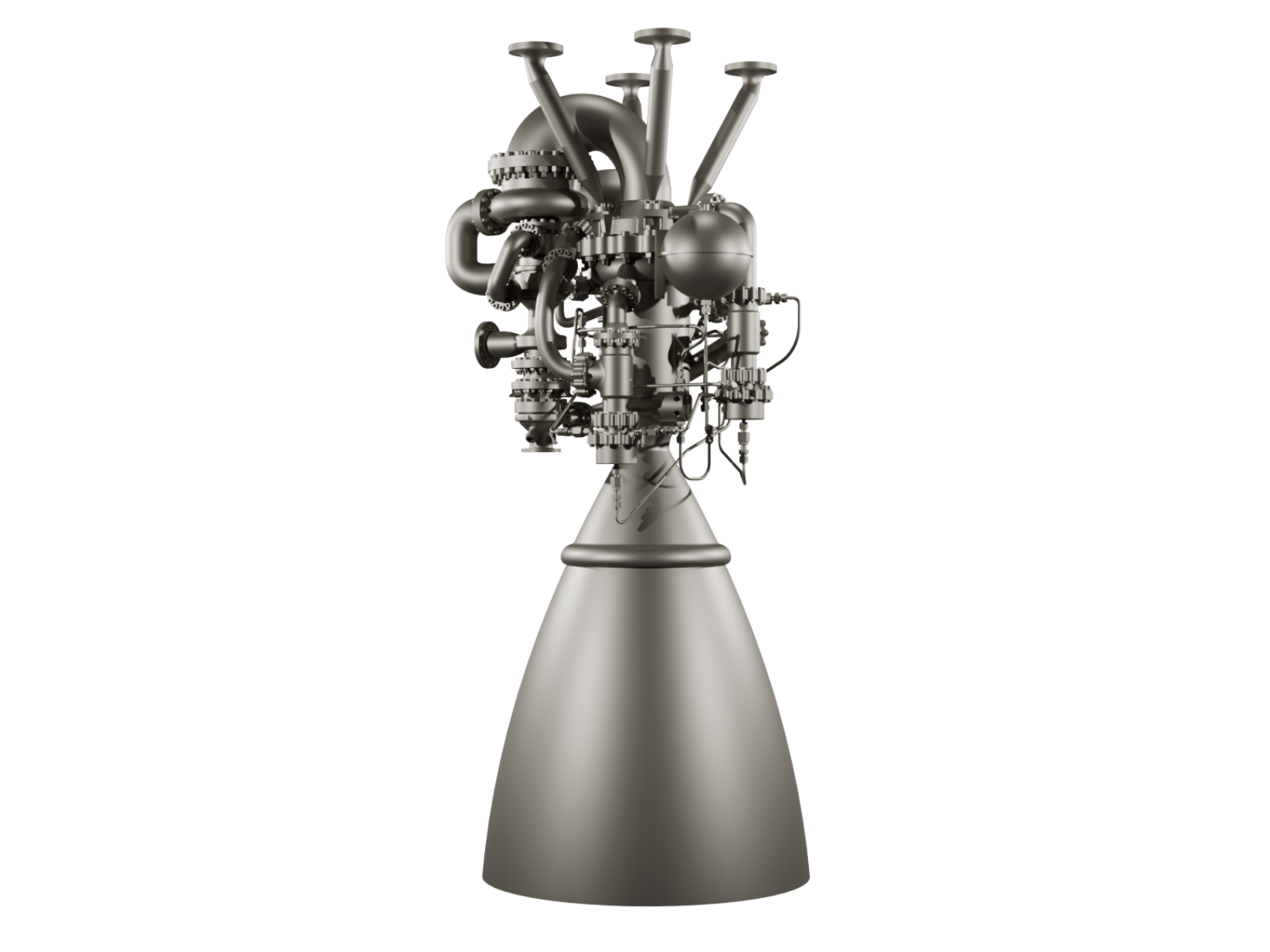
Tested hardware, not just renders
Trishul Space has been proving its hardware on smaller engines first. Its Sharv-1, a 5 kN engine running on ethanol and nitrous oxide, completed a hot-fire test campaign that the company says reached successful operation after 13 iterative test cycles. Its torch ignitor — the component that lights the engine, again and again — has demonstrated re-ignitability and endurance across repeated cycles, the kind of reliability a reusable-minded engine programme depends on.
The company has also signed an agreement with IN-SPACe that gives it access to ISRO’s test facilities for cryogenic engine validation and qualification, and its Sharv-1 work has drawn sponsorship from Think Gas and Chandigarh University.
More Read

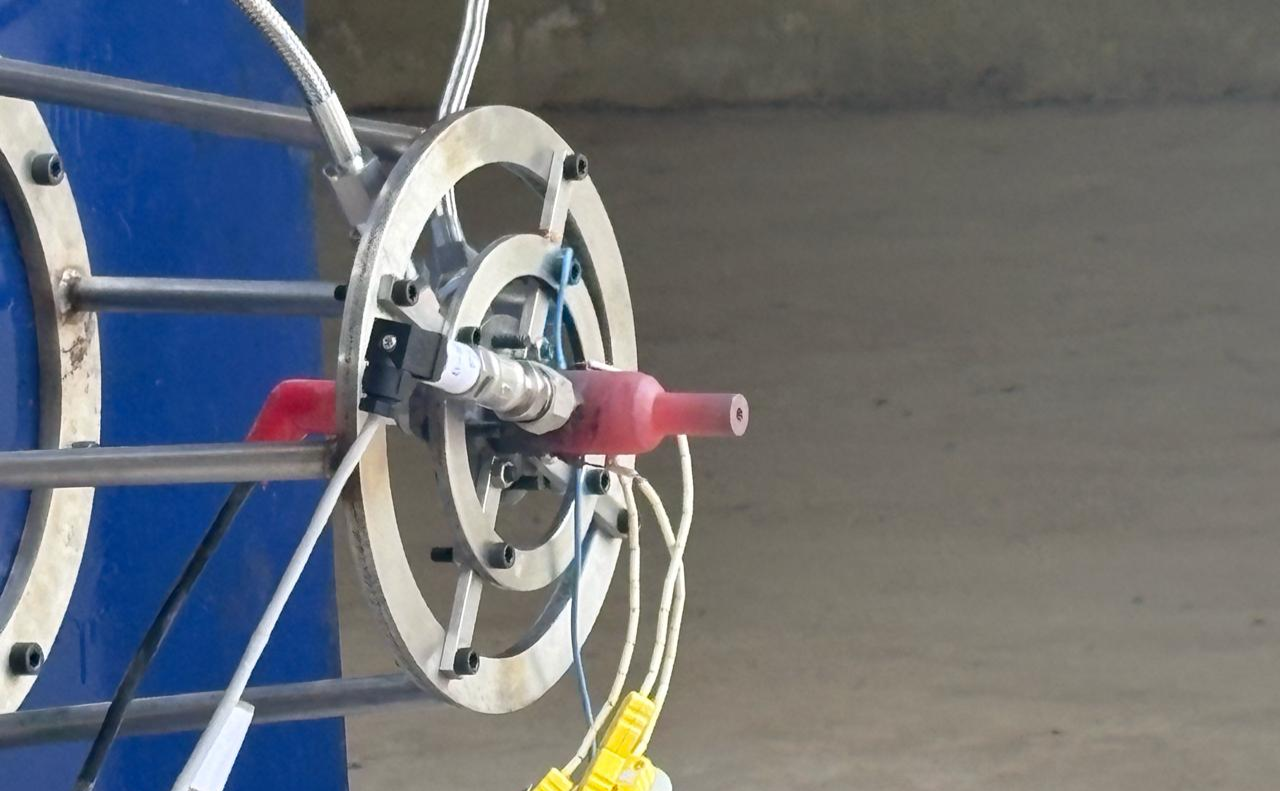
The team behind it
Behind Harpy-1 is a young founding team — Aditya Singh as chief executive, with Divyam and Rajat Choudhary — working from IIT Delhi’s research park, where the company has access to advanced labs and testing rigs. “This investment is a strong validation of our vision to build India’s most advanced and reliable rocket propulsion systems,” said Rajat Choudhary, co-founder of Trishul Space. “With this support, we aim to accelerate the development and testing of our ‘Harpy-1’ engine, strengthen India’s space launch ecosystem, and move one step closer to making space access faster, affordable, and globally competitive.”
What comes next
The immediate work is turbopump research and testing — the high-pressure heart of any staged-combustion engine — along with test rigs and instrumentation to validate Harpy-1’s cycle and its AI health-monitoring systems. The company says engine testing is complete and certification is the next milestone, with ISRO evaluation on its roadmap. From there, the goal is straightforward: a proven, certified engine that any Indian launch-vehicle builder can buy off the shelf, so the next generation of rockets spends its time flying instead of reinventing propulsion.
India’s private space race needs launch vehicles — and every one of them needs an engine. If Trishul Space delivers Harpy-1 as promised, the hardest part of building a rocket gets a little easier for everyone.
Keep reading: Upside Down in Hyderabad: Inside Axial Aero’s 360° Flight Simulator, Built by Fighter Pilots · A Taxi for Satellites: Inside Stardour, the Hyderabad Startup Building India’s First Hydrogen-Oxygen Space Tug · More Aerospace & Defense stories
Like stories like this? Add Exceptional Technology as a preferred source on Google to see more of our reporting in your search results and Discover feed.







