


A patient picks up an infection in hospital. The question that decides their treatment — which antibiotic will still work — can take days to answer by standard culture testing. While the lab works, doctors prescribe broadly, and every broad prescription is another nudge toward drug resistance. In Bengaluru, a team of five engineers-turned-biologists is shrinking that wait from days to about two hours, using the same molecular scissors that made CRISPR famous.
CrisprBits was founded in 2020 by Vijay Chandru, Sunil Arora, Rajeev Kohli, Bharat Jobanputra and Aditya Sarda — five BITS Pilani alumni who set out to put CRISPR to work far beyond the gene-editing headlines. Chandru, the chief executive, previously co-founded Strand Life Sciences and taught at the Indian Institute of Science. The company works out of a 7,300 sq ft research and prototype facility in Bengaluru, and its goal, in its own words, is to democratise CRISPR for the next billion lives.
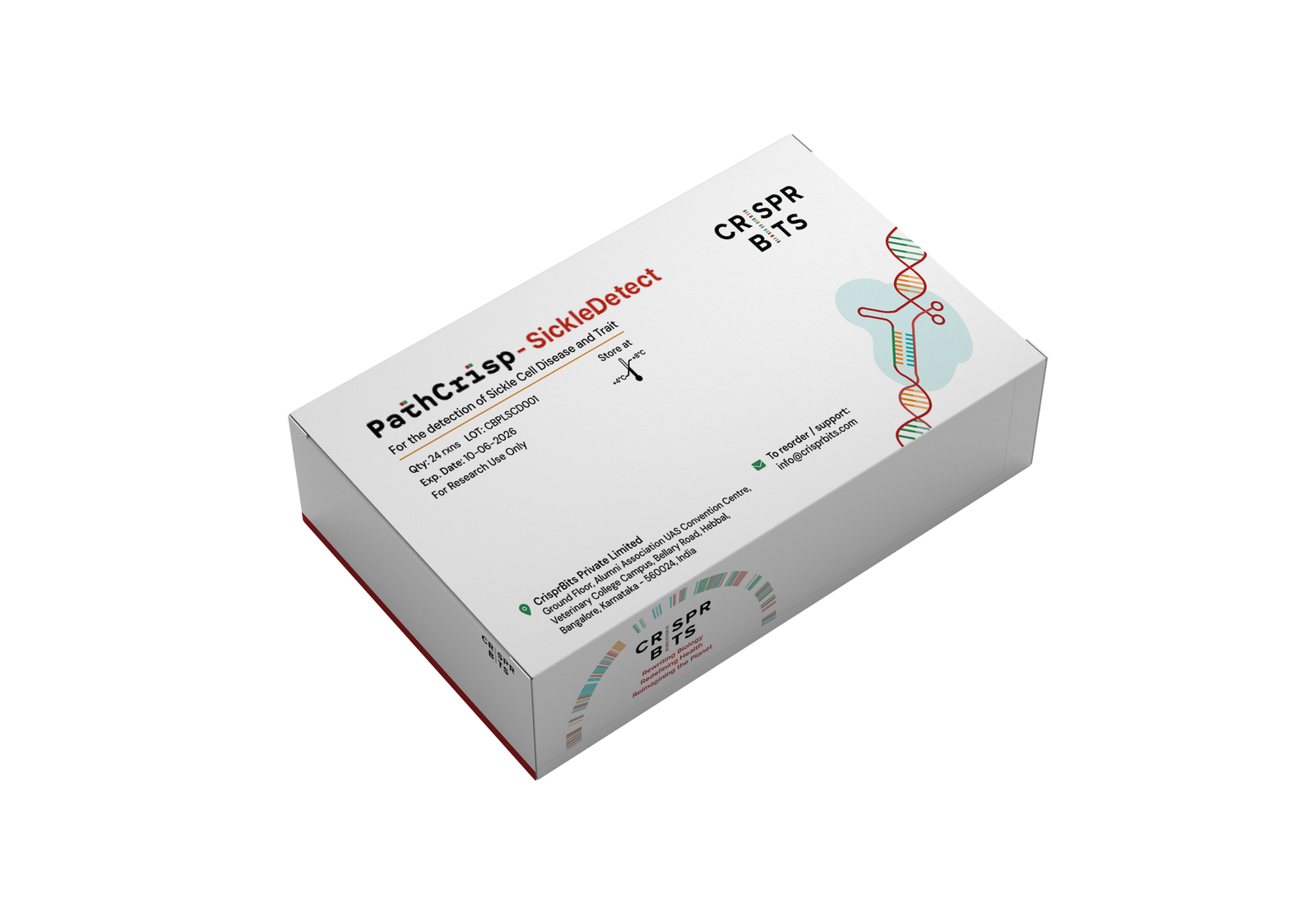
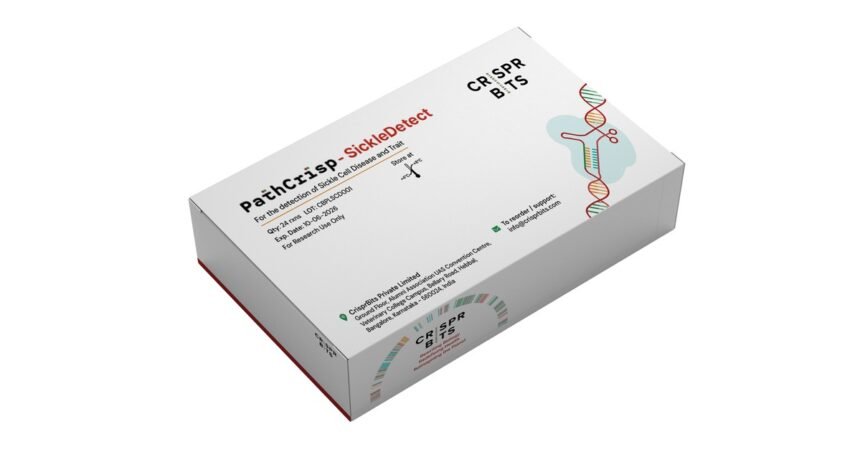
The flagship is PathCrisp, a molecular diagnostics platform. CRISPR is best known for editing genes, but it is just as precise at finding a specific genetic sequence — and PathCrisp turns that precision into a test. A sample is checked for the exact resistance gene that decides whether a drug will work, and the answer comes back in about two hours, at a constant temperature, with no thermocycler and no trip to a central lab. In a study published in Nature Scientific Reports, the platform detected carbapenem resistance — the NDM gene — in 49 clinical bacterial samples, in work done with the Sri Sathya Sai Institute of Higher Learning and Ashoka University.
The economics matter as much as the speed. The company says a PathCrisp test costs around ₹500–800, against ₹1,500–2,000 for conventional Sanger sequencing — the kind of gap that decides whether a test reaches a district hospital or stays in a metro lab. The first tests in development cover the infections India wrestles with most: antimicrobial resistance, sickle cell disease and typhoid, alongside respiratory illness. Sickle cell alone is the focus of a national mission to eliminate the disease by 2047, and a fast, affordable test is exactly what that screening drive needs.
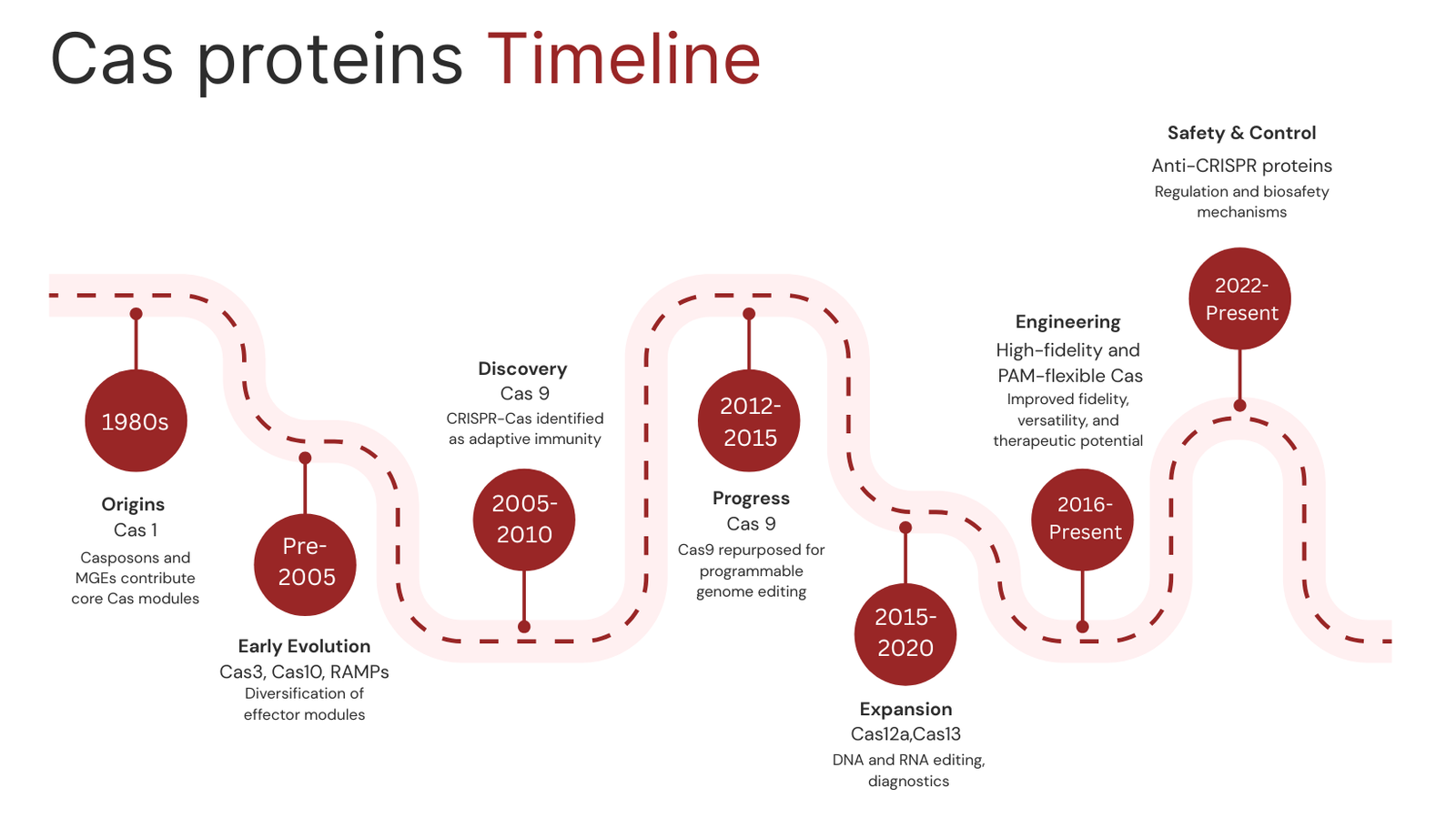
Diagnostics is only the first act. EdiCrisp applies the same CRISPR core to gene editing and strain engineering for industrial biotech, and CurieCrisp is a disease-modelling platform for pre-clinical work and rare-disease research. The three share one technology but serve very different customers — hospital laboratories, fermentation plants and drug researchers.
The work is gathering momentum. CrisprBits won C-CAMP’s AMR-Quest in 2023, partnered with point-of-care testing company Molbio Diagnostics the same year, and in November 2025 raised $3 million in a pre-Series A round at a $12 million valuation, led by Spectrum Impact, the family office of Aarti Industries’ Rajendra Gogri. In December 2025, JNCASR signed a letter of intent with the company to jointly set up a Centre of Excellence for CRISPR Innovation and Translation. The money is going into commercialising PathCrisp, expanding manufacturing capacity, and taking the tests to markets in Africa and Latin America.
More Read

What CrisprBits is building, in the end, is a shortcut between a sample and an answer — a test that can sit close to the patient, read the exact gene that matters, and hand a doctor a decision in the time it takes to finish a ward round. From a Bengaluru lab to hospital wards across India and beyond, the company is turning one of biology’s sharpest tools into something far more ordinary, and far more useful: a faster answer when it matters most.
Keep reading: A Vaccine That Needs No Freezer: Inside Immunoscript, the Pune Biotech Rewriting How the World Stores RNA Vaccines · Printing With Living Cells: Inside Next Big Innovation Labs, the Bengaluru Startup Building India’s Homegrown 3D Bioprinters · More Chemicals, Materials & Life Sciences stories
Like stories like this? Add Exceptional Technology as a preferred source on Google to see more of our reporting in your search results and Discover feed.







