


Some deliveries are measured in minutes. Others are measured in feet above sea level — and in the lives waiting at the other end. In October 2023, a drone lifted off from the police grounds at Keylong in Himachal Pradesh’s Lahaul and Spiti district carrying more than 100 essential medicines, flew 20 kilometres in 26 minutes to the Tholang primary health centre, and did it at altitudes up to 14,500 feet in minus 15 degrees. The company flying it was TSAW Drones — and that flight was only the beginning.
TSAW Drones was founded in June 2019 by Kishan Tiwari and Rimanshu Pandey, two engineering graduates who set out to build a drone network as an alternate mode of transportation for India. The Delhi-NCR company, headquartered at IIT Delhi, has a simple, sweeping ambition: to make drones the fifth mode of transport in the country, after road, rail, air and water. Six years on, its aircraft are flying medicines to Himalayan clinics, blood samples to labs and groceries to doorsteps — and the company says its live dashboard has now logged more than 43,000 packages delivered across 25,000 kilometres of flight.
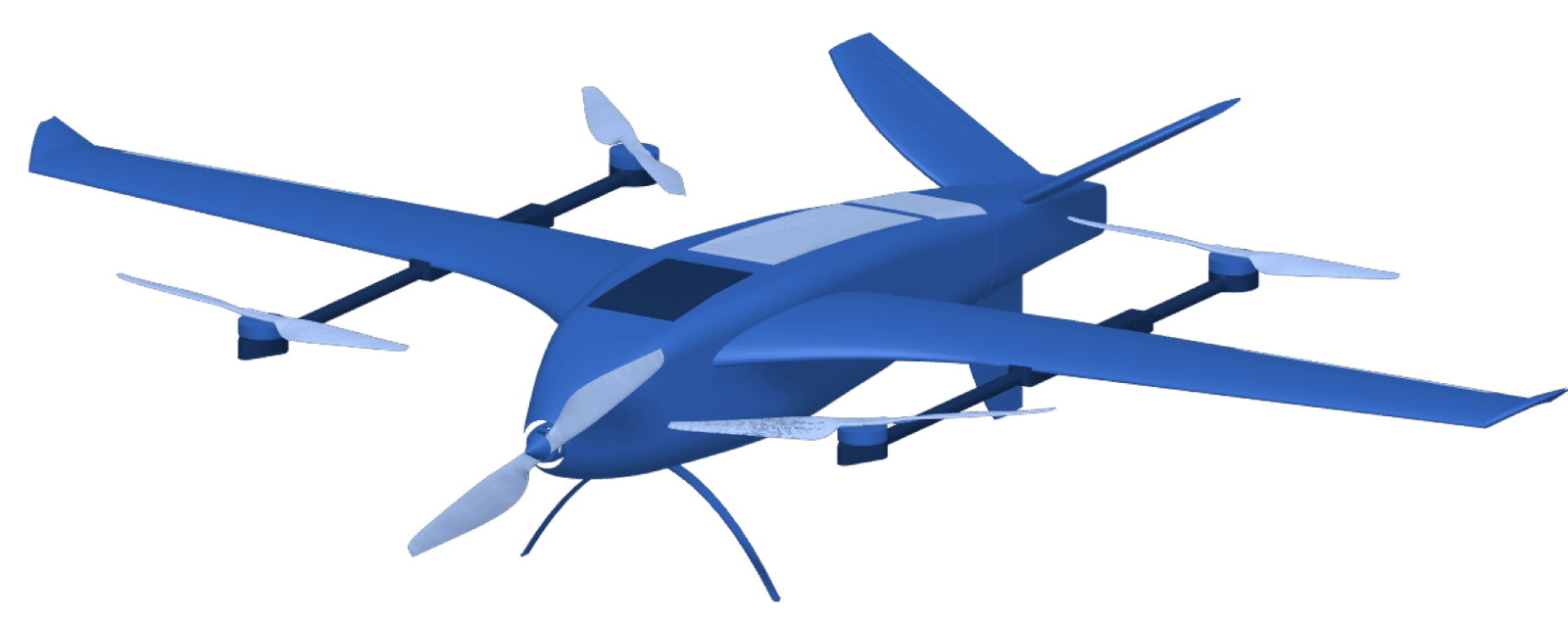
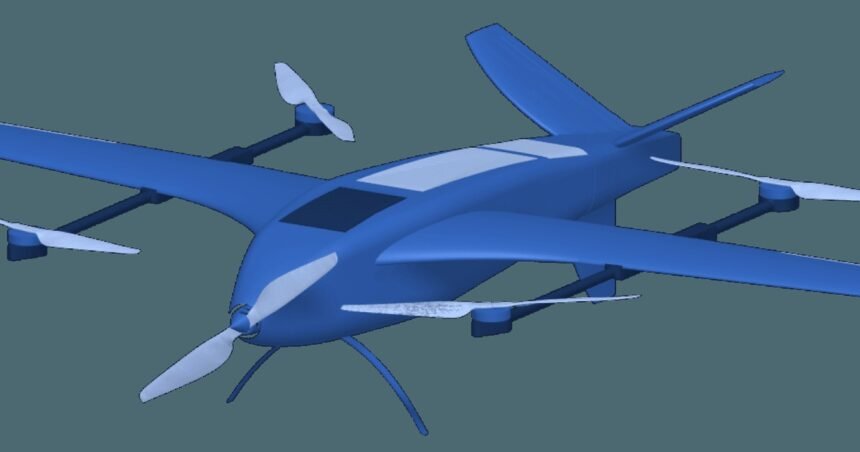
The workhorse of the fleet is the Adarna V2, a hybrid fixed-wing VTOL that TSAW unveiled at Aero India 2023. It takes off vertically like a helicopter, then tips forward and flies on its wing like a plane — the combination that gives it a 120-kilometre range with an 8-kilogram payload, around 100 minutes in the air, a ceiling of 4,000 metres and wind resistance rated to grade 5. For shorter medical hops there is the Adarna Mini, an 80-kilometre, 2-kilogram machine, and the Adarna XL, which stretches the same formula to 90 minutes of endurance. All three can carry a temperature-controlled payload box — up to 2 kilograms in 3.5 litres — so vaccines, blood samples and diagnostic kits travel cold from pickup to drop-off.
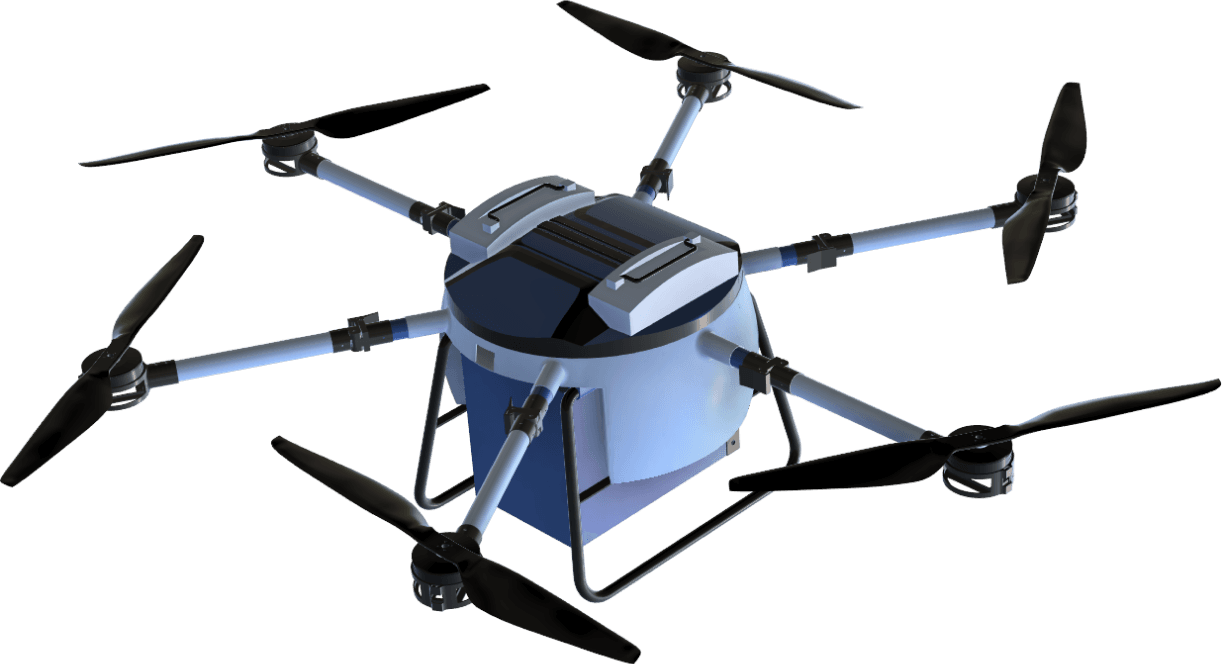
Heavier jobs get a different machine. The Maruthi 3.1, the 2024 generation of the fleet, is a hexacopter built to lift up to 20 kilograms over 40 kilometres — the kind of capacity that moves bulk medical stock, not just single parcels. And TSAW’s next step is bigger still: the Airawat, now in development, is designed to carry up to 500 kilograms over long range, taking the company from last-mile deliveries into middle-mile cargo — the heavy freight that today moves only by road.
The Himalayan flights are where the engineering shows. In October 2023, TSAW won a service order from the Indian Council of Medical Research for a six-month programme spanning three states: tuberculosis medicines in Yadadri, Telangana; biopsy samples in Manipal, Karnataka; and the high-altitude deliveries in Lahaul, Himachal Pradesh — all flown by TSAW’s logistics arm, DRONECO. The thin air above 12,000 feet is brutal on ordinary rotors, so TSAW fitted its fleet with variable-pitch propellers that automatically adjust their blade angles to hold lift in the cold, thin air. The maiden flight — more than 100 medicines, Keylong to Tholang, 20 kilometres in 26 minutes — set a record for medicine delivery at altitude, according to a case study of the company published in the Communications of the Association for Information Systems.
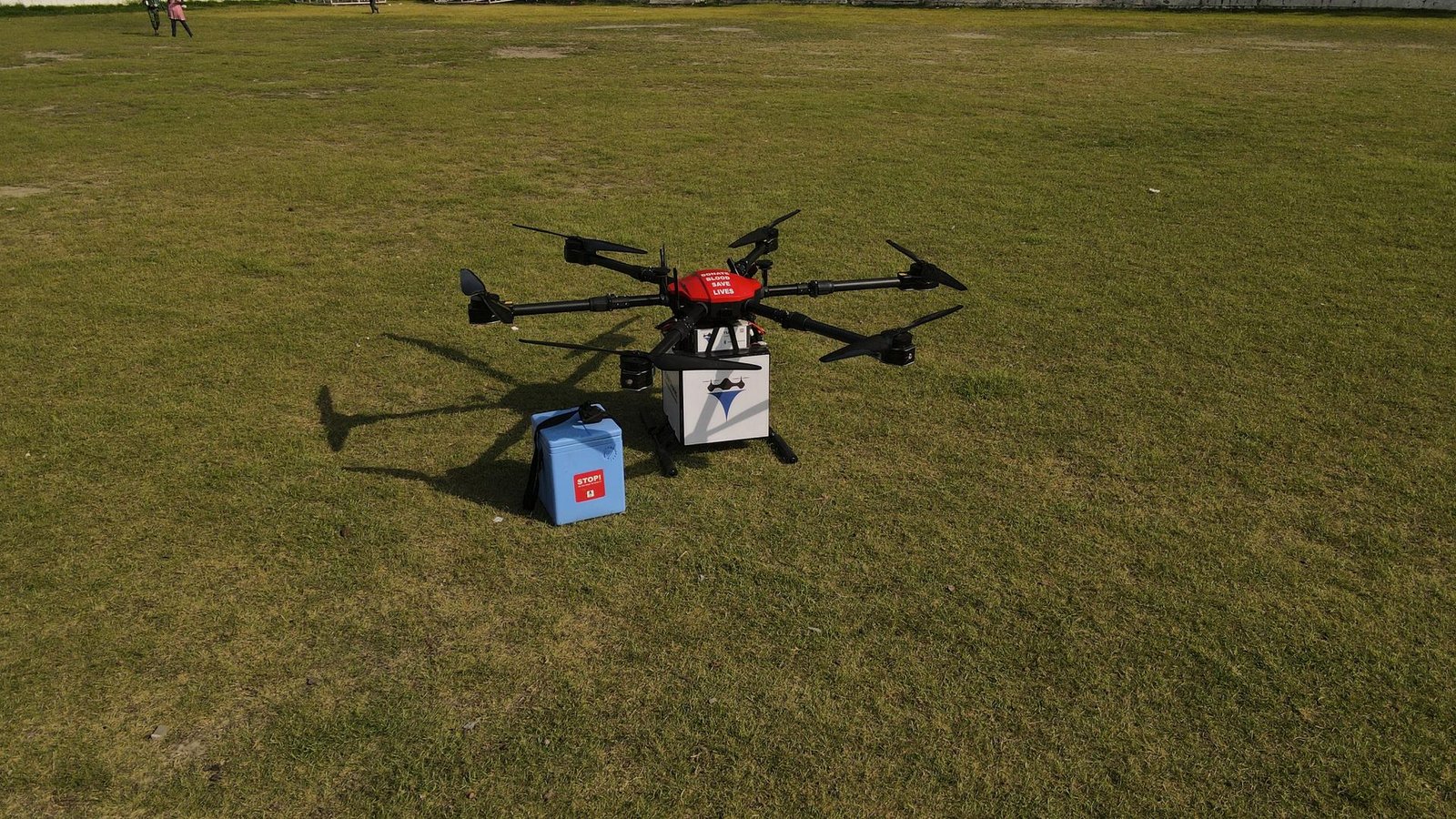
Healthcare is only half the story. TSAW’s aircraft also fly quick commerce — groceries, food and electronics delivered in minutes — and the company has run emergency blood-delivery trials in Indore. Its operations, the company says, run on full automation, with in-house software handling flight planning, navigation and fleet coordination. The scale is already real: the company’s live counters show 43,256 packages delivered, 293.8 flight hours and 25,045 kilometres covered.
More Read

What TSAW is building, in the end, is a sky road — a network where the distance between a hospital and its farthest clinic is measured in minutes, not mountain passes. From a 2-kilogram medical parcel in the Himalayas to a 500-kilogram cargo aircraft on the drawing board, the company is laying down the routes one flight at a time. And with every delivery, a little more of India is connected by air.
Keep reading: The Autopilot Is the Brain: Inside Zuppa, the Chennai Company Building India’s Own Drones for the Front Line · Inside Vector Technics, the Hyderabad Company Building the Motors That Power India’s Drones · More Aerospace & Defense stories
Like stories like this? Add Exceptional Technology as a preferred source on Google to see more of our reporting in your search results and Discover feed.







