


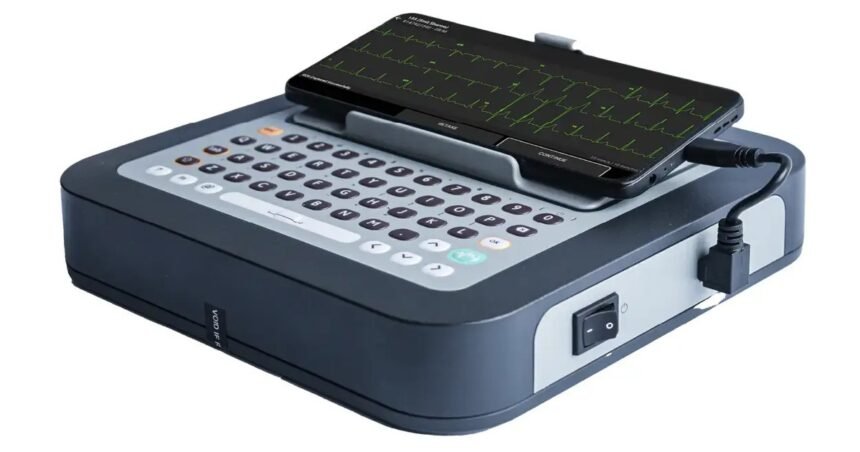
When a heart attack strikes in a small Indian town, the first hour decides everything. The nearest cardiologist may be a hundred kilometres away, the nearest cath lab further still, and the heart muscle is dying by the minute. A Bengaluru company has spent a decade closing that gap: put a small ECG machine in the clinic where the patient first arrives, have a cardiac specialist read it within minutes, and move the patient along a treatment path before it is too late.
Tricog Health was founded in 2014 by Dr Charit Bhograj, an interventional cardiologist who had watched too many patients arrive after the window for saving heart muscle had closed. His answer was not a bigger hospital, but a smarter network: a portable, AI-enabled ECG device called VCardia, a cloud platform that reads every tracing in seconds, and a team of cardiac doctors on call around the clock to sign off on the result. The company says its platforms have now screened more than 41 million patients, identified over 500,000 heart attacks and flagged more than 1.5 million critical ECG findings.
The six-minute read
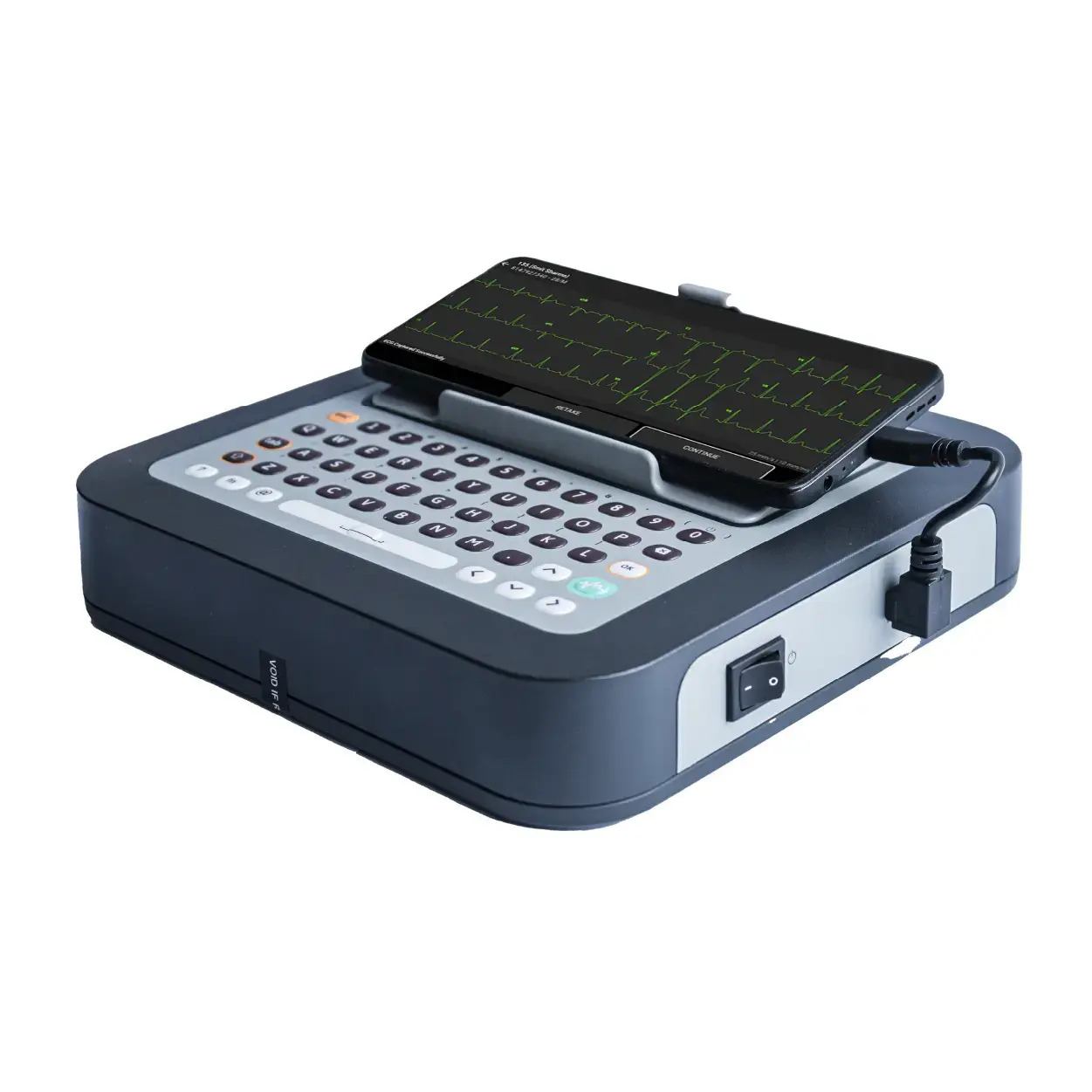
The heart of the system is VCardia, a portable 12-lead ECG machine that works wherever a clinic has a power point and a mobile signal. A nurse or technician records the ECG, the tracing is encrypted and sent to Tricog’s cloud, and the company’s AI reads it at once, able to recognise more than 140 heart conditions. Every AI reading is then reviewed by a doctor from Tricog’s team of 120 cardiac specialists before the final report comes back to the clinic — the whole loop completed within six minutes.
That speed is the whole point. A reading that once took a day or more to travel from a rural clinic to a specialist now comes back before the patient has left the chair, and a suspected STEMI — the deadliest kind of heart attack, where a blocked artery is starving the heart of blood — is flagged instantly so the patient can be rushed to a cath lab instead of waiting for a routine opinion.
The system is built to survive the conditions it serves. The device works over Wi-Fi and 4G, the reports arrive on a phone app, and the platform plugs into a hospital’s existing ECG machines and records systems, so a clinic does not need to rebuild its workflow to use it. Tricog’s devices carry CE and CDSCO certification and the company is ISO 13485 certified, and its customers include Apollo, Fortis, Manipal and Max hospitals alongside diagnostic chains such as Neuberg, Medall and Metropolis.
Seven states, one lifeline
The clearest proof of what the network can do is playing out in public health. Tricog began its first government partnership with Goa in 2018, and today seven state governments — Goa, Telangana, Maharashtra, Odisha, Karnataka, Bihar and Manipur — run STEMI programmes on its technology, covering 167 districts, more than 3,000 health centres and a population of over 305 million.
More Read
The numbers coming out of those programmes show what a few minutes are worth. In Karnataka, the time from a patient’s arrival at hospital to opening the blocked artery has fallen from 170 minutes in March 2023 to 65 minutes in May 2026, and NITI Aayog has called the state’s programme an AI-powered cardiac lifeline. Maharashtra now reaches all 34 of its districts down to community and primary health centre level, has trained more than 22,000 health workers and has read close to five million ECGs. In Odisha, survival among enrolled patients rose from 79 per cent in August 2025 to nearly 88 per cent by March 2026. In Goa, the programme has logged more than 460,000 diagnoses and caught over 22,000 major heart attacks. Across the seven states, the programmes have diagnosed more than 11,000 heart attacks and count over 9,600 lives saved — more than nine a day, the company says.
From one clinic to fourteen countries
The same model is now travelling far beyond India. Tricog’s platform operates in 14 countries across the Global South, including the Philippines, Malaysia and Kenya, and the company says it screens more than a million patients every month. It has set itself a target of 100 million cardiac screenings by 2030, and the work has already been recognised with the ET Startup Award for Top Innovator in 2019 and a NASSCOM Artificial Intelligence Game Changer award.
Why it matters
Cardiovascular disease is the world’s biggest killer, causing 31 per cent of all deaths globally, and in India one in five heart attacks strikes someone younger than 45. The tragedy has never been that the treatment does not exist — it is that the diagnosis arrives too late, in the wrong place, read by no one. Tricog Health has built the missing link: a small machine, a fast algorithm and a doctor on call, turning any clinic in the country into a cardiac centre. A heart attack caught in six minutes is a life that gets to go home — and across seven states, that is now happening more than nine times a day.
Keep reading: The Machine That Breathes for the Heart: Inside Mediyant Technologies, the Vadodara Company Building India’s First USFDA-Cleared Heart-Lung Machine · The AI Scribe Writing India’s Medical Notes: Inside Eka Care, the Bengaluru Startup the NHA Just Picked · More Chemicals, Materials & Life Sciences stories
Like stories like this? Add Exceptional Technology as a preferred source on Google to see more of our reporting in your search results and Discover feed.







