


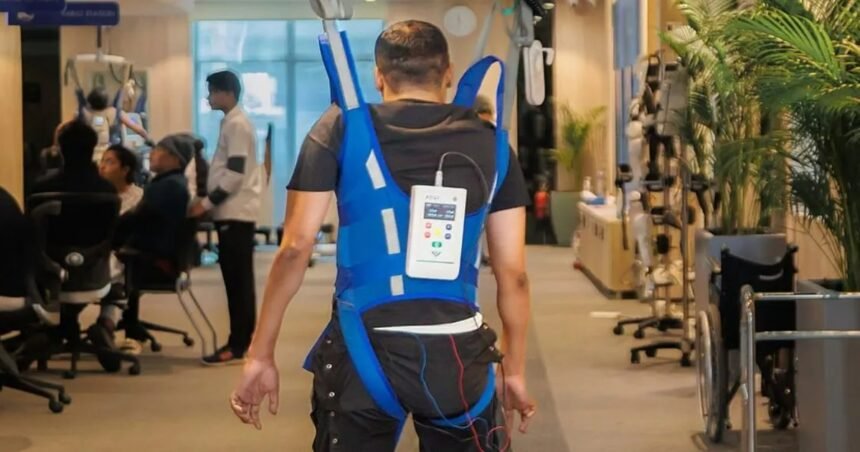
A finger lifting. A leg responding. A step taken without help. For someone living with paralysis, these are the moments everything changes — and a Bengaluru device is built to make them happen, without surgery and without a single implant. It is called xStep, and it works by talking to the spinal cord itself.
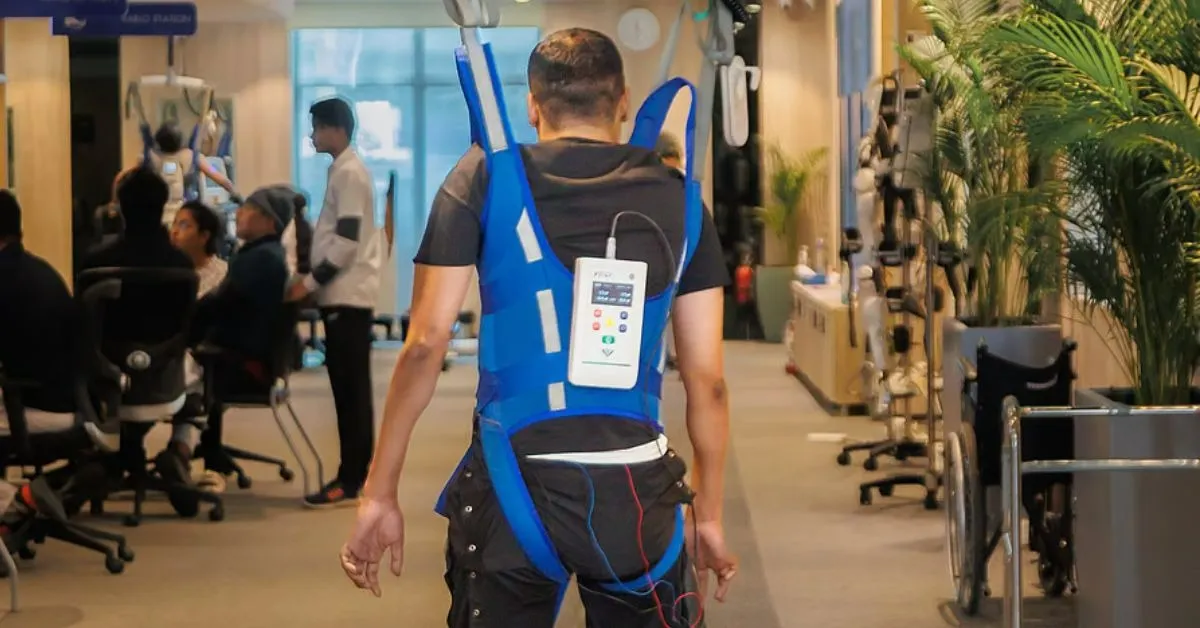
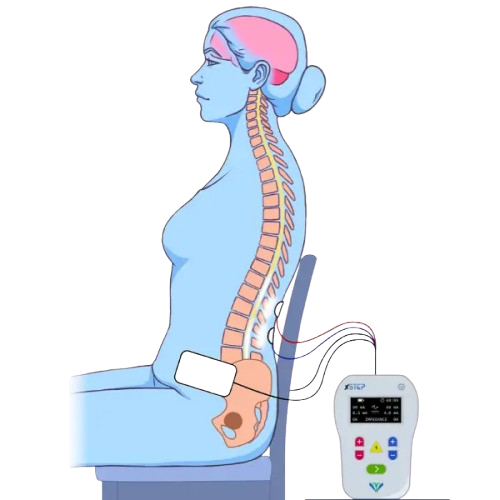
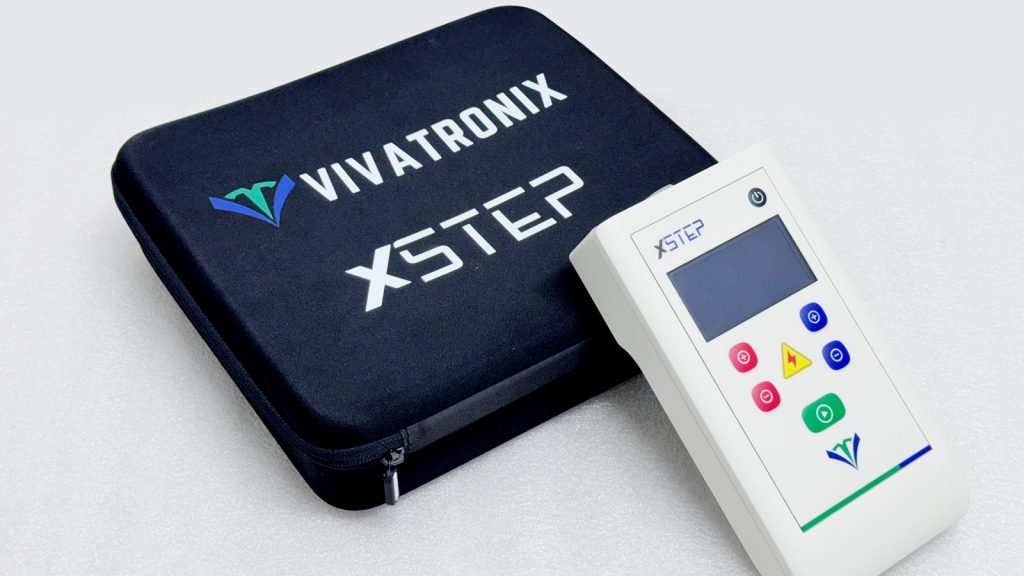
xStep is a wearable neurotechnology platform from VIVATRONIX Tech, a Bengaluru company founded by neuroscientist and biomedical engineer Dr Parag Gad. The device is worn on the back during rehabilitation sessions, and it delivers gentle, targeted electrical pulses to the spinal cord while the patient practises movement. The idea is simple and powerful: the stimulation wakes up dormant neural pathways, and the movement training teaches the brain and body to reconnect — a process the company calls neurorestoration, built on its SCiP and SCONE technology platforms. The technology was developed by SpineX Inc. and is manufactured in India by VIVATRONIX Tech.
Seventeen years from lab bench to bedside
Dr Gad spent nearly two decades researching spinal neuromodulation at the University of California, Los Angeles, before relocating to India in 2023 to bring the technology to Indian patients. He formally founded VIVATRONIX in January 2025 to manufacture the device and expand its reach across rehabilitation centres. The story reached a national audience in January 2026, when he pitched xStep on Shark Tank India and walked away with a Rs 1 crore deal for 10 percent equity from Namita Thapar, Vineeta Singh and Kunal Bahl. On the show, he said the device costs about Rs 46,000 to make and sells for around Rs 3 lakh — and that he wants to bring the manufacturing cost down to Rs 20,000–25,000, so more families can reach it. In September 2026, Titan Capital backed the company to scale manufacturing and clinical work in India and abroad.
Cleared on two continents
The regulators have already weighed in. In October 2025, India’s Central Drugs Standard Control Organization approved xStep for clinical and home use in India, and in April 2026 the US Food and Drug Administration cleared it under its 510(k) pathway for improving hand sensation and strength in people with chronic incomplete spinal cord injury. The technology has also received the FDA’s Breakthrough Device designation for two indications, and the company says it is approved for clinical trials at more than 20 hospitals across four continents. The device is designed for spinal cord injury, stroke, cerebral palsy, multiple sclerosis, motor neurone disease and Parkinson’s disease.
A centre of its own
The next chapter is already open in Bengaluru, where the company has launched xStep One, an integrated neurorehabilitation experience centre offering personalised recovery programmes that combine the device with robotics and advanced rehabilitation. Through a collaboration with Trexo Robotics, the centre has also brought a wearable robotic gait trainer for children to India, pairing it with xStep’s spinal stimulation in a single programme. It is a fitting home for a device that began as a PhD project and is now, step by step, giving movement back to the people who need it most.
Keep reading: From Slaughterhouse Waste to Healing Skin: Inside Alicorn Medical’s CholeDerm, India’s First Homegrown Tissue Scaffold · The Microbes Eating India’s Dye: Inside Greenathon, the Jaipur Startup Cleaning Textile Wastewater Without Chemicals · More Chemicals, Materials & Life Sciences stories
More Read

Like stories like this? Add Exceptional Technology as a preferred source on Google to see more of our reporting in your search results and Discover feed.







