


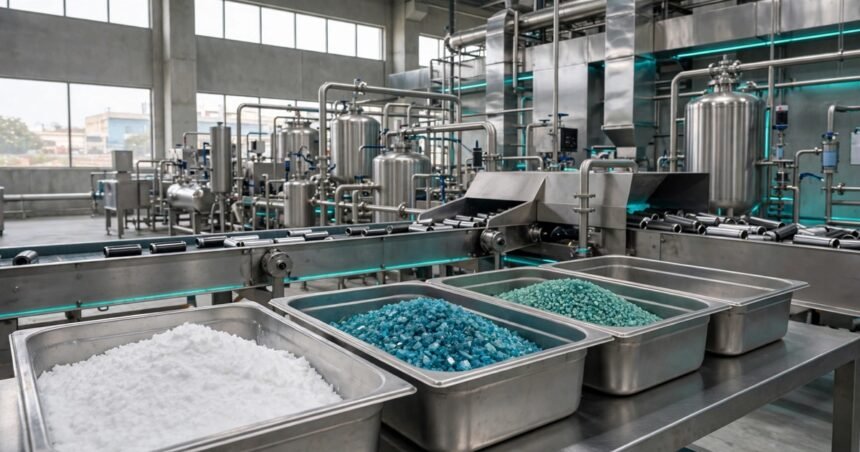
Inside every dead phone battery and every retired electric-vehicle pack sits a small fortune in metal: lithium, cobalt, nickel, copper. Mined from the earth at great cost, shipped across oceans, refined, built into a cell and then, when the battery dies, mostly thrown away. In Hyderabad, a company called Neo Seekermetals is proving that the next mine India needs is already above ground, sitting in its own waste.
One process for two waste streams
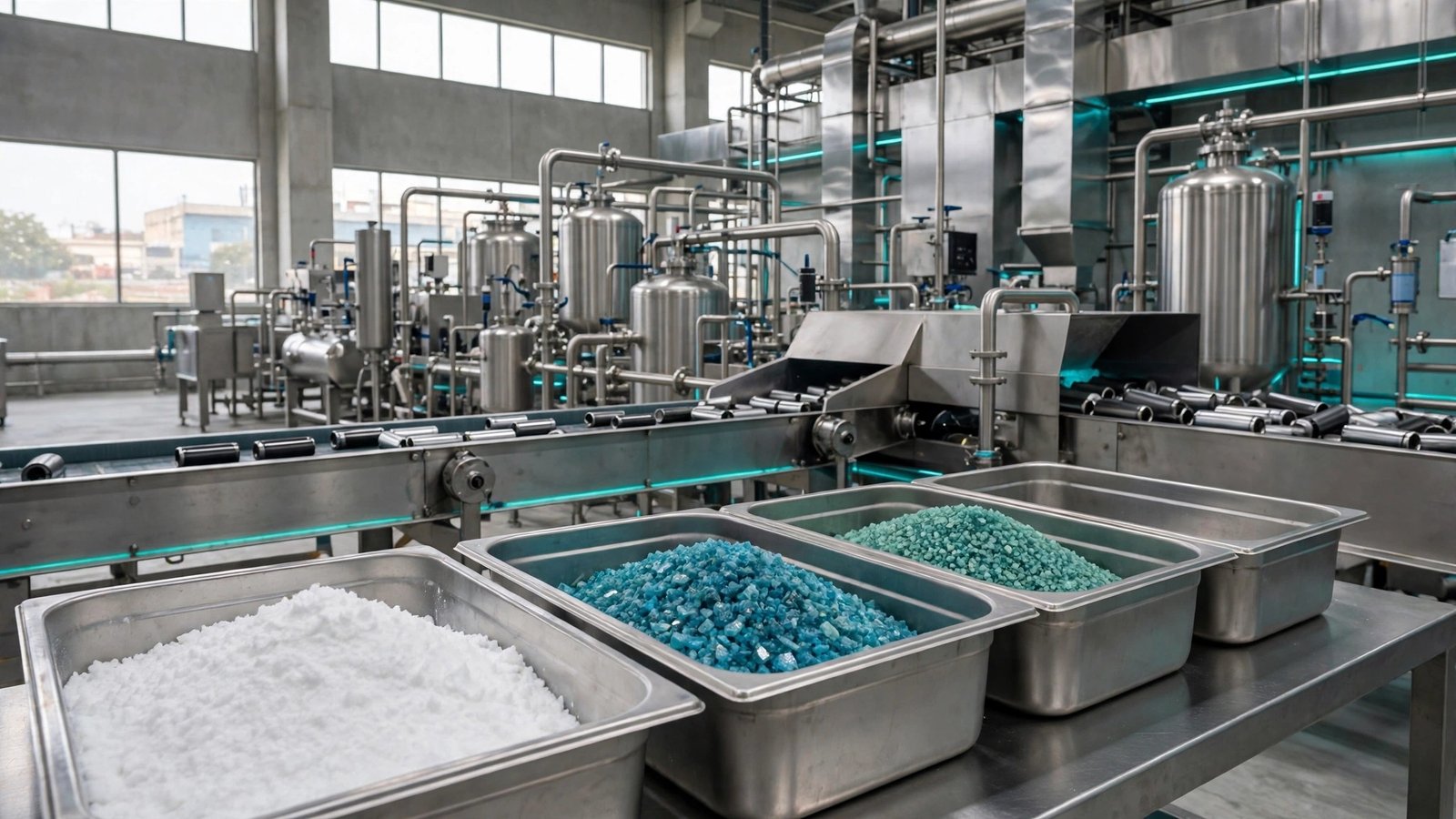
Neo Seekermetals, Neo Seeker Metals Pvt. Ltd., has built an integrated, patented recycling process that takes in two of the fastest-growing waste streams in the country at once: discarded electronics and end-of-life lithium-ion batteries. The company says the journey starts with structured collection and reverse logistics, with full chain-of-custody from source to facility. Then comes mechanical separation: precision disassembly, shredding and classification under an inert atmosphere, so the value streams are isolated without contamination. Finally, hydrometallurgy plus selective precipitation, tuned per feedstock, pulls the metals back out and refines them to battery grade.
It is the kind of unglamorous, deeply technical work that makes the clean-energy transition possible. A battery is a chemical puzzle box: dozens of materials fused together, each one valuable, each one hard to separate cleanly. Getting them apart without destroying their value, and doing it safely at scale, is the whole game.
Battery-grade, back into the loop
The company says its multi-stage refining recovers 95–99% of the material fed in, at 99.5%+ purity, battery grade and ready for direct reintegration by cell manufacturers. Every batch ships with its own certificate of analysis. The output list reads like a periodic table of the energy transition: lithium carbonate, cobalt sulphate, nickel sulphate, copper, manganese and magnesium salts, and from board-level e-waste, copper cathode and recovered precious metals including silver and gold.
Those recovered materials go straight back to the industries that need them most: battery manufacturers buying cathode-grade lithium, cobalt and nickel; EV makers building closed-loop sourcing for their platforms; energy-storage developers; electronics OEMs; and chemical processors. The facility in Hyderabad is CPCB and EPR authorised, and the company manages the full extended-producer-responsibility lifecycle for its partners: collection, compliance and audit-ready material accountability.
From pilot to commercial scale
On 16 November 2026, the Technology Development Board (TDB) under the Department of Science and Technology signed an agreement with Neo Seekermetals under the government’s Research, Development and Innovation (RDI) Fund. The project, “Extraction of Critical Metals by Recycling of E-Waste and Lithium-Ion Battery Waste”, carries a total cost of ₹20 crore, with ₹10 crore approved under the RDI Fund as optionally convertible debt. The goal is to take the technology from Technology Readiness Level 5 to TRL-9, from a validated pilot to commercial-scale deployment.
More Read

“Through the RDI Fund, TDB is supporting technologies that can combine innovation with strategic relevance, helping transform waste streams into valuable resources and strengthening the foundations of a circular economy,” said Rajesh Kumar Pathak, Secretary, Technology Development Board. A Neo Seekermetals spokesperson said the support “will help us take our technology forward towards commercial deployment. Our focus is on building an efficient and sustainable process for recovering critical and valuable materials from e-waste and lithium-ion battery waste.”
Why it matters
India has little domestic mining or refining capacity for the metals its battery industry runs on, so almost all of it is imported, and the demand curve only steepens as electric vehicles and grid storage scale up. At the same time, the waste piles up: millions of phones, laptops and battery packs reaching end of life every year. Neo Seekermetals sits exactly at the intersection of those two curves, turning one problem into the answer for the other.
Every tonne of lithium, cobalt or nickel recovered in Hyderabad is a tonne India does not have to import, a tonne that does not have to be mined, and a tonne of hazardous waste that does not end up in a landfill or an informal scrapyard. That is the quiet promise of urban mining: the metals for India’s next million batteries are already here, waiting in the batteries of the last million.
Keep reading: Twenty Minutes a Day, No Pills: Inside Mave Health, the Bengaluru Startup Turning Brain Stimulation Into a Wearable · No Radiation, No Hospital Visit: Inside Lord’s Mark’s ₹700 Breast Cancer Screening Kit · More Chemicals, Materials & Life Sciences stories
Like stories like this? Add Exceptional Technology as a preferred source on Google to see more of our reporting in your search results and Discover feed.







