



Some mornings, the mind feels like a browser with forty tabs open. The coffee helps for an hour, the to-do list keeps growing, and by mid-afternoon the focus that started the day has quietly slipped away. In Bengaluru, a small team decided that problem deserved a hardware answer: a headset you wear for twenty minutes while you get on with your morning, built on a technology neuroscientists have studied for more than twenty-five years.
Twenty minutes, while life goes on
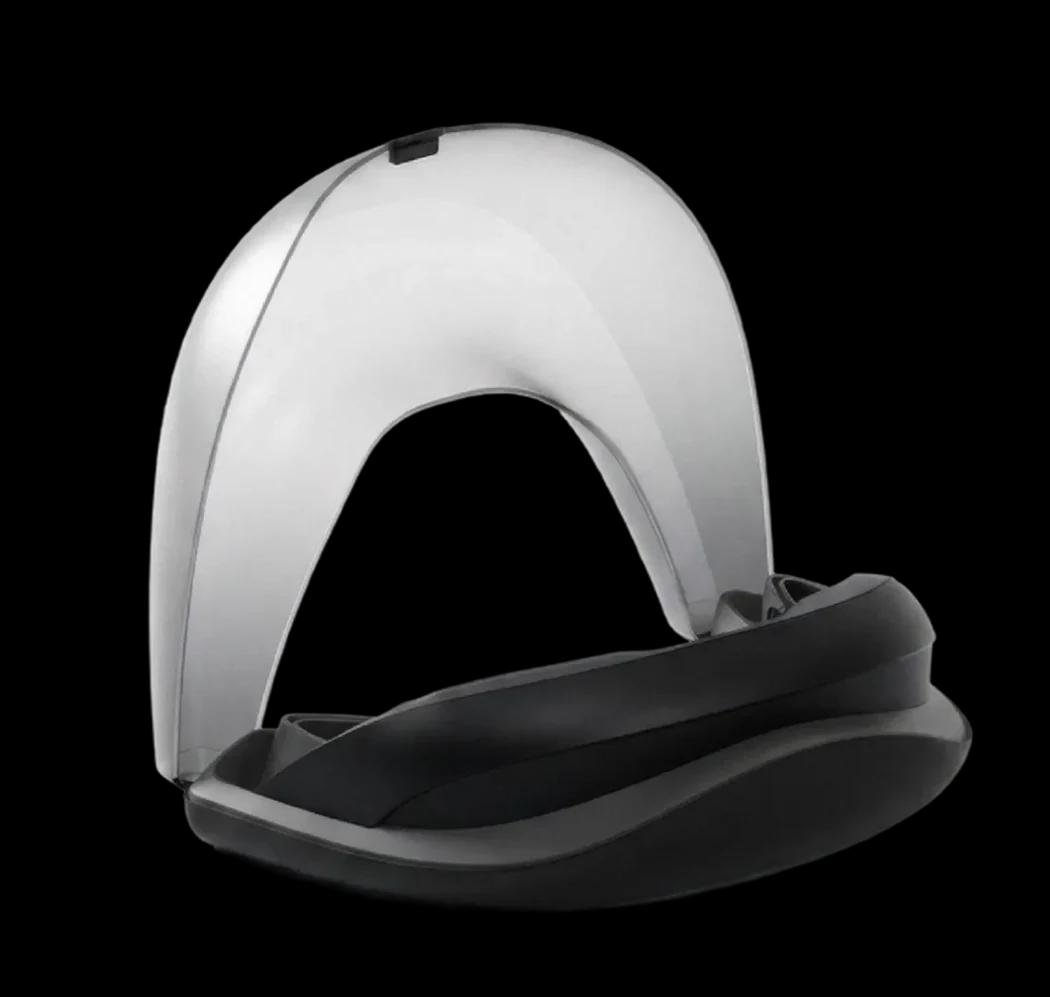
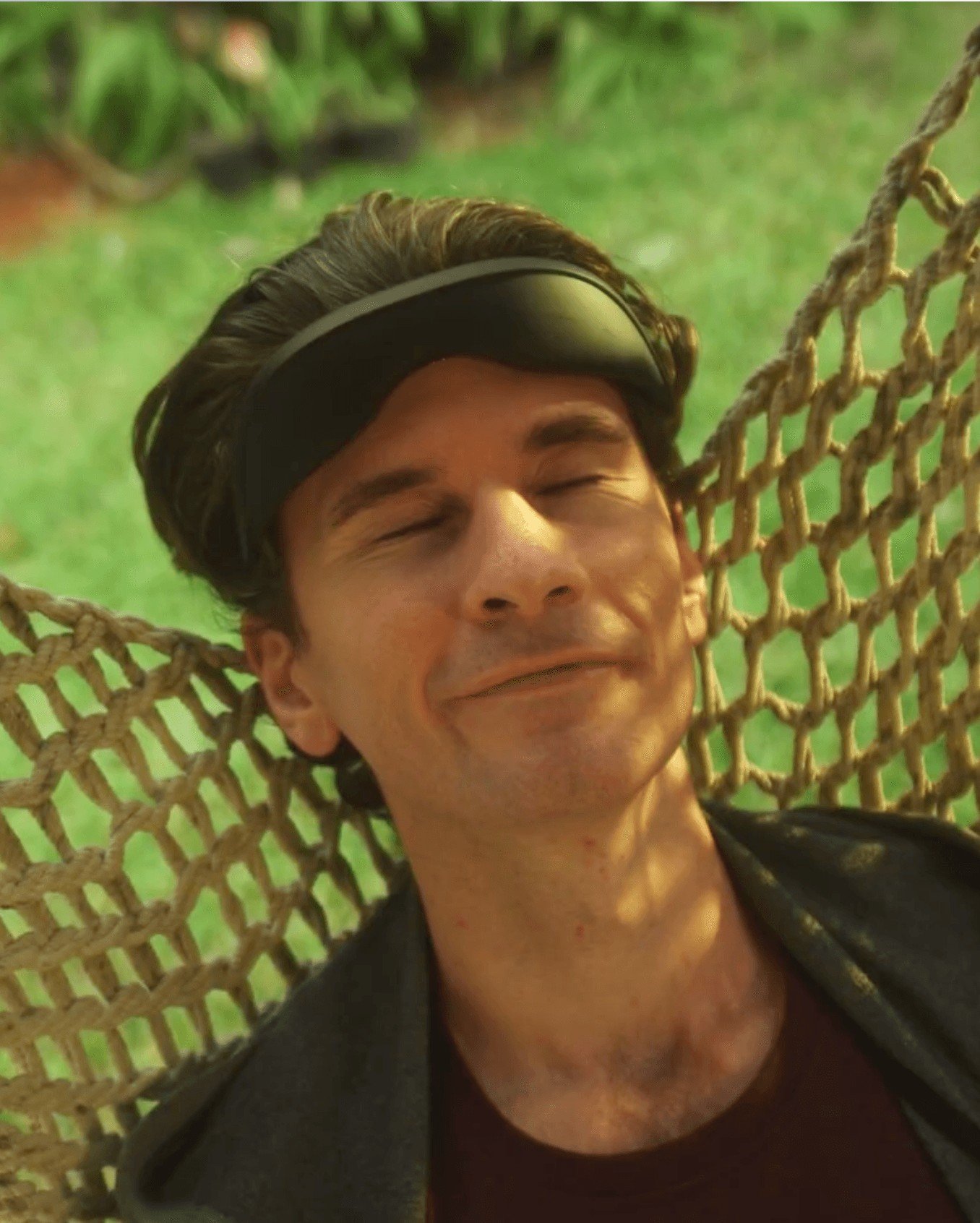
Mave Health’s answer is Arc, a wearable headset that uses transcranial direct current stimulation — tDCS — to deliver a gentle 1–2 milliamp current to the prefrontal cortex, the part of the brain behind attention, decision-making and emotional control. The session takes twenty minutes, and the company says you do not need to set aside dedicated time for it: wear the headset, start the session in the app, and carry on reading, working or making breakfast. The company recommends five sessions a week for the first four to six weeks, then a lighter maintenance routine.
The device itself weighs about 100 grams, and the company says a full charge lasts up to 30 days with daily use. It connects to an app over Bluetooth, works with Apple Health and Health Connect, and needs no subscription — the company says the app, with its session tracking, Brain Score reports and personalised protocols, is free for life. It collects no brain data at all: Mave delivers stimulation, it does not read or record brain activity.
Three decades of science, redesigned to wear
tDCS is not new. The company points to more than 10,000 published studies worldwide on the technique, and says an international safety review covering over 300,000 low-intensity stimulation sessions found no serious adverse events attributable to tDCS. What was new was the form it came in: clinical equipment, not something anyone would wear at a kitchen table. Mave’s bet was that the barrier was design, not science.
So the company worked with Bengaluru’s Studio Carbon to rebuild the device from the outside in — a lean, helm-inspired shape, medical-grade silicone electrode holders and skin-safe stimulation pads, with a travel dock that charges it. The result won recognition at the Core77 Design Awards 2026. Behind the product sits an advisory bench the company is proud of: Harvard’s Professor Alvaro Pascual-Leone, a pioneer of non-invasive brain stimulation, alongside Professor Vincent P. Clark, clinical neuropsychologist Dr Donel Martin and Mumbai psychiatrist Dr Himanshu Nirvan.
From a beta to fifty thousand sessions
Mave Health was founded in Bengaluru in 2023 by Dhawal Jain, Jai Sharma and Aman Kumar, and the company now works from Bengaluru and San Francisco. It began with a twelve-week programme built around the headset, then moved to selling the device outright: $495 in the United States, ₹29,500 in India, with a 30-day risk-free trial. The company says more than 500 beta customers came on board before its public release, its first three limited batches sold out within 36 hours, and users have now logged more than 50,000 sessions, with an average rating of 4.9 out of 5. The company also says four observational studies across 200 participants are under academic review.
More Read
The backing has followed the product. Mave raised a ₹6 crore pre-seed round in April 2024, then a $2.1 million seed round in March 2026 led by Blume Ventures, with Inuka Capital, Stanford Angels and the founders of Groww among the participants. It was also picked for Panasonic’s IGNITION corporate accelerator. Shipping began in April 2026 to customers in the United States and India, and the headset now ships within 48 hours of ordering.
Training the brain like a muscle
Mave’s pitch is a simple one: the modern day asks more of our attention than our brains were built to give, and the answer does not have to be another app, another coffee or another pill. A twenty-minute session, a headset that disappears into the morning routine, and a technology with decades of research behind it — that is the bet a Bengaluru startup is making, and the early numbers say plenty of people are willing to try it.
Keep reading: No Radiation, No Hospital Visit: Inside Lord’s Mark’s ₹700 Breast Cancer Screening Kit · A Mine That Never Runs Out: Inside BatX Energies, the Gurugram Startup Turning Dead Batteries Into Lithium · More Chemicals, Materials & Life Sciences stories
Like stories like this? Add Exceptional Technology as a preferred source on Google to see more of our reporting in your search results and Discover feed.







