Open a lithium-ion cell and most of what you find is cathode. The powder inside decides how much energy a battery holds, how long it lasts and how much it costs — and India makes almost none of it. Cell factories are rising across the country, yet the material that fills them still arrives from abroad. Altmin, a Hyderabad startup founded in 2023, is building the missing middle of India’s battery story: the cathode itself, made in India from the ore up.
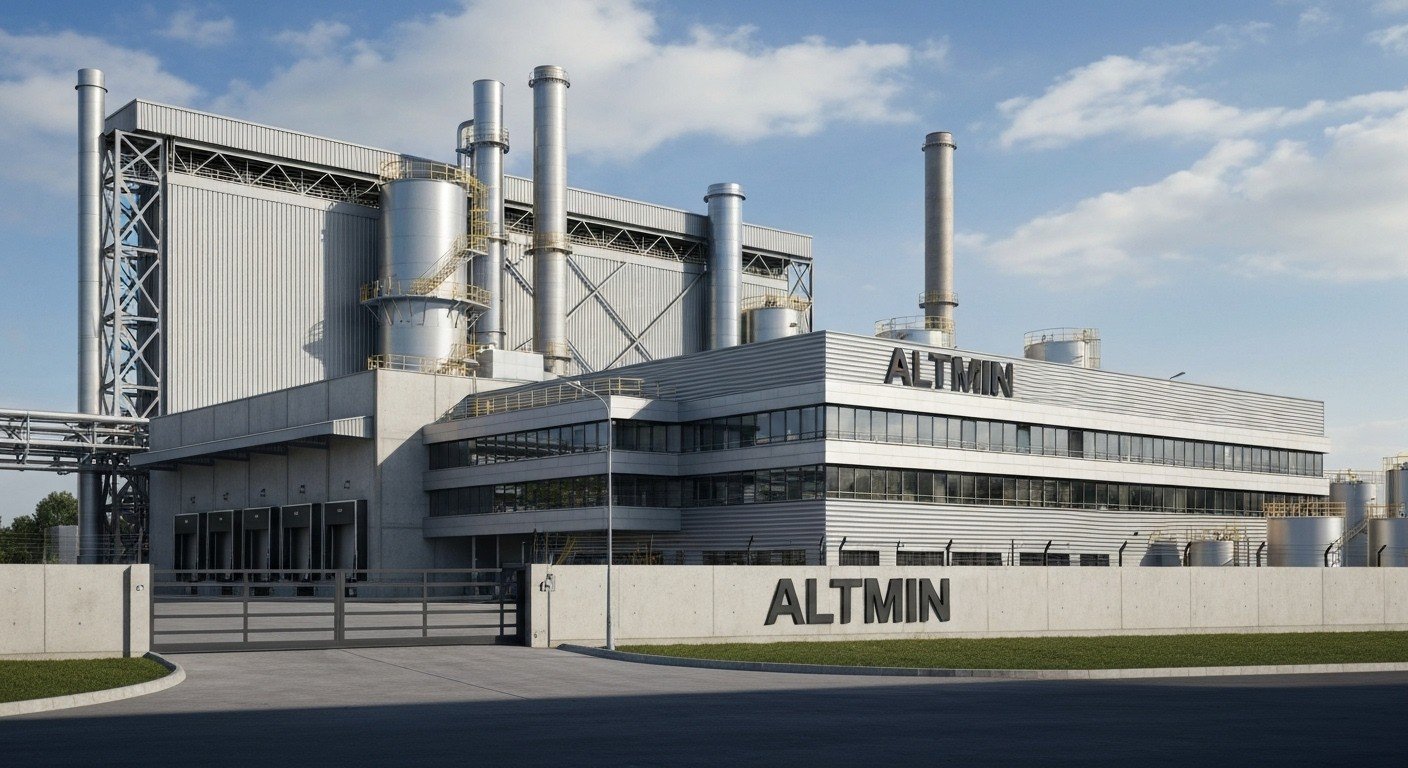
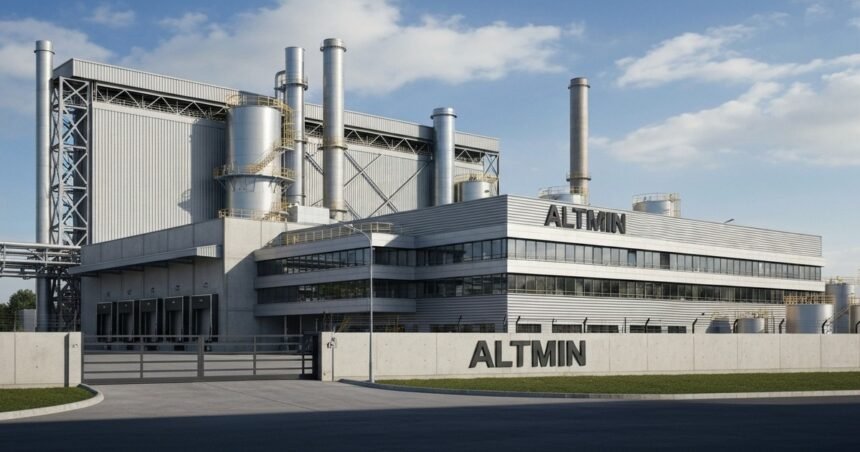
Altmin’s cathode manufacturing facility. (Image: Altmin)
The powder that decides everything
Lithium iron phosphate — LFP — is the chemistry that has taken over the volume end of the battery market. It holds less energy than the nickel-based alternatives, but it is cheaper, safer and longer-lived, which suits electric two-wheelers, buses and grid storage, exactly the segments where India’s demand sits. Altmin was founded in Hyderabad in 2023 by Anjani Sri Mourya Sunkavalli and Kiriti Varma to make it here. The company describes itself as supply-chain integrated, meaning it intends to work from refining the ore through to the finished cathode powder, rather than buying refined lithium and converting it.
A pilot plant with India’s materials scientists
The starting point was a partnership with ARCI, the International Advanced Research Centre for Powder Metallurgy and New Materials, an autonomous centre under the Department of Science and Technology. In 2023 the two set up a 10-megawatt pilot plant on ARCI’s campus at Balapur in Hyderabad, producing around 100 kilograms of LFP a day — India’s first cathode active material plant, the company says. ARCI developed the process together with Altmin and transferred the technology, and Altmin holds the exclusive international licence for the cathode material produced through the partnership. The pilot plant turned a research collaboration into a working production line, and it gave Altmin the process it is now scaling up.
More Read

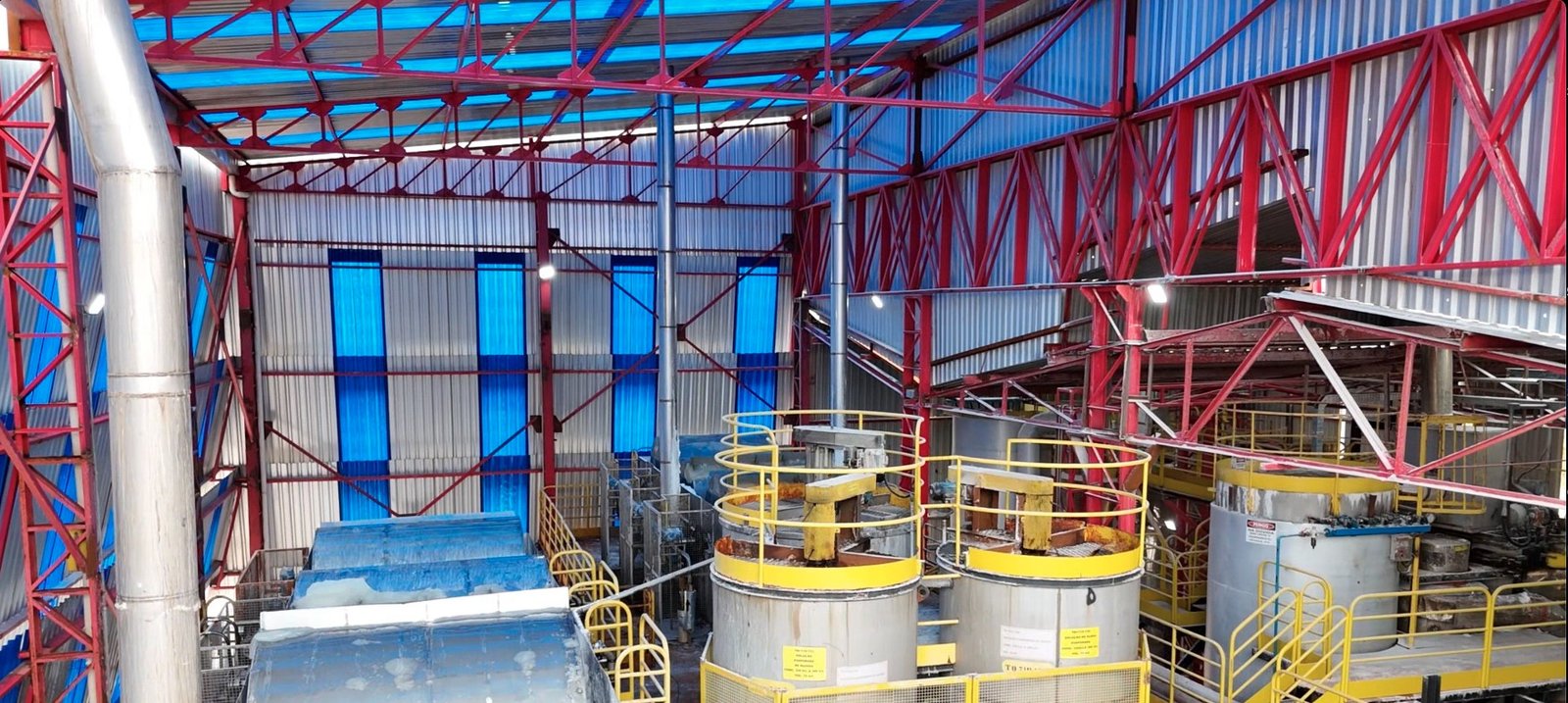
Inside Altmin’s cathode material plant. (Image: Altmin)
From 100 kilos a day to a giga-factory
In March 2025 the company laid the foundation stone for a much larger facility at Divitipally in Telangana — a Rs 750 crore project spanning 20 acres, with an initial capacity of 8 GWh and a stated plan to reach 100,000 tonnes of cathode material a year by 2030. The plant is expected to generate around 800 jobs, and it sits next to Amara Raja’s battery plant, placing cathode powder production right beside one of its biggest customers. The company has said it is targeting the last quarter of 2026 for the launch, and it calls the facility India’s only integrated LFP manufacturing plant, with research labs and advanced testing facilities built in for the next generation of electrode technologies.
Lithium, secured at the source
Raw material has been the other half of the problem, and Altmin has been lining it up in parallel. The company has signed a sourcing partnership with YLB, Bolivia’s state lithium company, covering lithium carbonate supply and its patented C-LFP technology, with a pilot plant planned at La Palca in Potosí — an alliance the company says will enable upwards of 10 GWh of LFP by 2030. In September 2025 Altmin became the first Indian project listed with the Minerals Security Partnership, the US-led alliance of fourteen countries and the European Commission, for a $250 million refinery in Brazil that will convert spodumene ore into 32,000 tonnes of lithium carbonate a year in collaboration with the Brazilian miner Companhia Brasileira de Litio. In December 2025 the company announced a joint venture with Singareni Collieries to build a battery-grade lithium refinery in Telangana at a reported investment of Rs 2,250 crore. A research agreement with the University of Warwick rounds out a chain that runs from the mine to the finished powder.
Why LFP, why now
India’s battery ambitions have so far been built on imported powder. Every kilogram of cathode material made in Hyderabad is one less kilogram the country has to buy from abroad, and every gigawatt-hour of LFP capacity is a step towards batteries whose most valuable ingredient is Indian-made. Altmin’s bet is that the country that assembles the cells should also make the powder inside them — and it is building the factories, the refineries and the partnerships to do exactly that.
Keep reading: The Brain Behind 107 GW of Clean Power: Inside Smartgrid Analytics’ Solvyn AURA · From Powder to Power: Inside Agratas, the Tata Company Building India’s Battery Cells at Gigafactory Scale · More Energy & Power stories
Like stories like this? Add Exceptional Technology as a preferred source on Google to see more of our reporting in your search results and Discover feed.