For generations, moving goods around the world has meant accepting a compromise: the sea takes weeks, and flying costs too much. In Bengaluru, a young aerospace startup is building an aircraft designed to break that compromise entirely — a pilotless cargo plane that takes off from water, flies like a conventional aircraft, and lands on water again at the other end. Its name is Eureka, and its makers at Aspera Industries call the idea beautifully simple: break the surface.
Aspera Industries unveiled Eureka on 29 August 2026, and the aircraft is a striking rethink of what a cargo plane can be. It is a fixed-wing, fully autonomous amphibious aircraft — no pilot on board, no runway needed. Instead of an airport, it uses rivers, lakes, harbours and coastlines as its runway, opening up cargo routes that today rely on slow boat transfers or expensive conventional air freight.
The hydrofoil bet that revives the seaplane
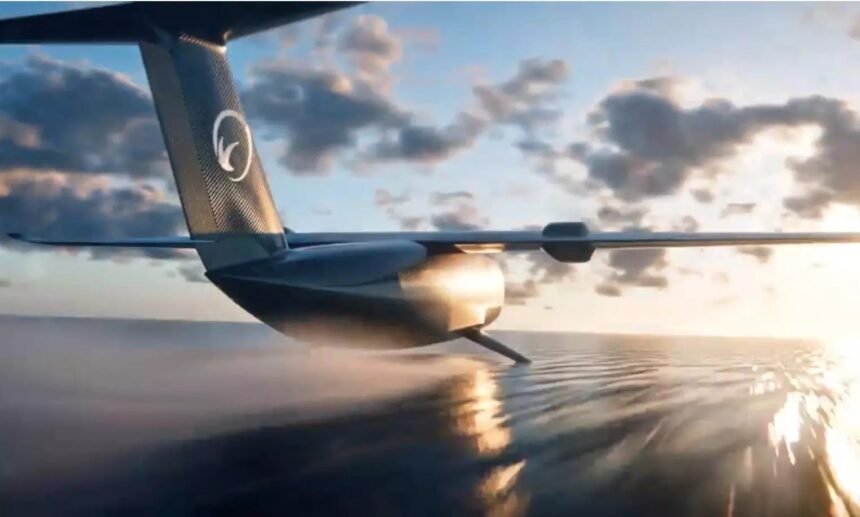
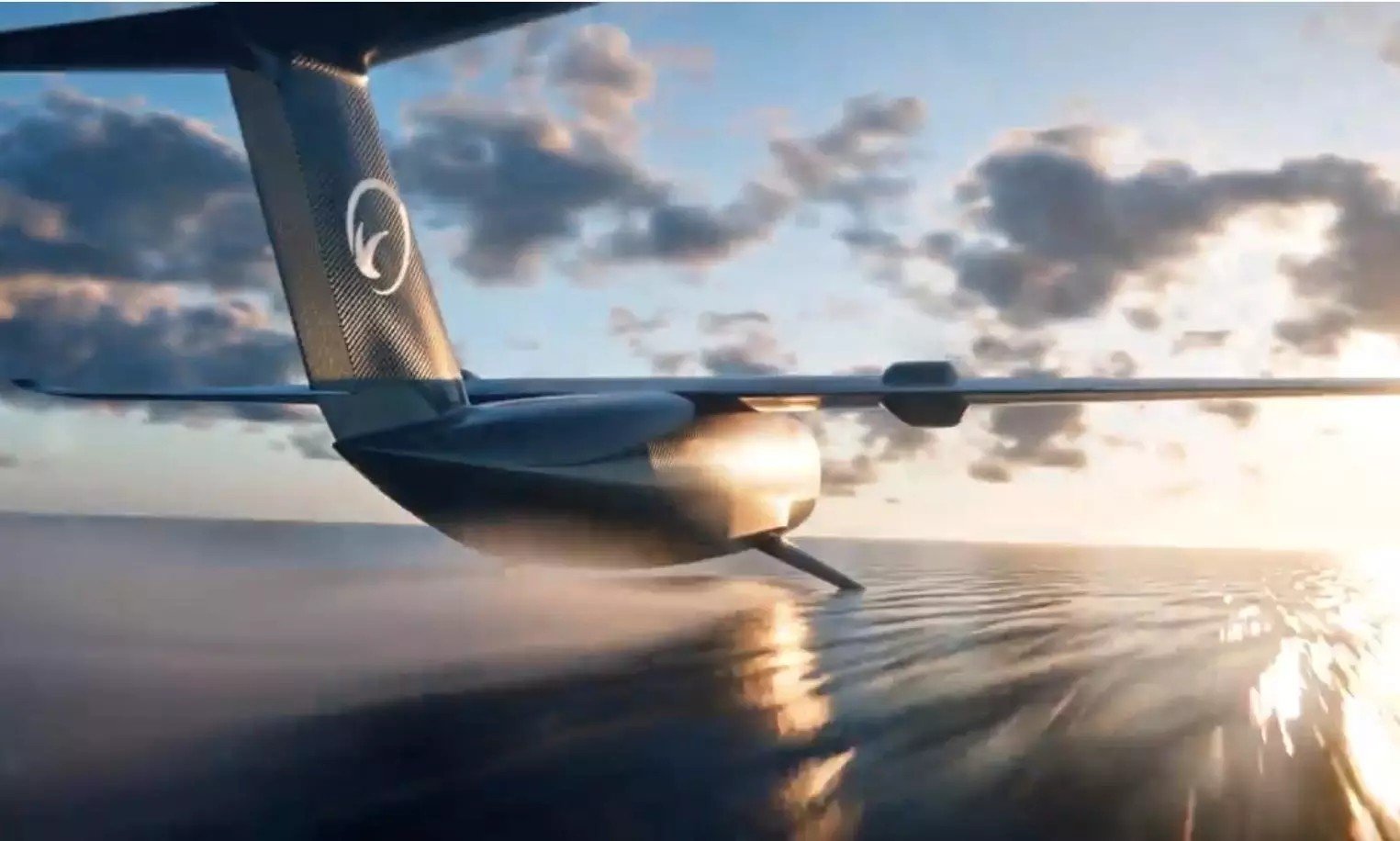
Seaplanes are not new — they largely faded from service in the 1950s, and the reason is a neat piece of physics. The stepped hull that lets a seaplane plane across water creates heavy aerodynamic drag once it is airborne, so every flight pays a fuel and range penalty. Eureka replaces the step with retractable hydrofoils: small wing-like foils that lift the hull clear of the water during takeoff and landing, then tuck away so the airframe flies clean in cruise. The company says the design keeps the freedom of water operations without the drag tax that grounded the seaplane era.
The numbers the company has set for Eureka show the scale of the ambition. The aircraft is designed to carry a 1,000-kilogramme payload autonomously, cruise at around 6,500 feet, and fly a stated range of 2,000 kilometres — all in a carbon-fibre airframe built to keep weight low and efficiency high. The company says Eureka is engineered around two numbers that matter most in cargo aviation: how much of an aircraft’s total weight is actual cargo, and how much drag is paid per kilogramme of lift.
Water is the runway the world already built
The logic behind Eureka starts with geography. The company points out that 150 of the world’s 193 countries have a coastline, that cities, ports and factories have historically grown up along water, and that water covers about 71 percent of the planet’s surface. If an aircraft can treat that water as a runway, it needs no new airport infrastructure at all — a powerful advantage for island nations, coastal cities and remote communities where building a runway is impractical or impossible.
Aspera says it will initially focus on New Zealand, Australia and Southeast Asia, targeting logistics providers, freight forwarders and defence organisations as its first customers. And rather than only manufacturing aircraft for others, the company plans to build and operate its aircraft in-house — giving it full control over the customer experience and over the cargo-specific design of every flight.
More Read

A founder who left university to chase flight
Behind Eureka is founder and chief executive Khushi Mittal, who started Aspera Industries in June 2025 after leaving a physics and computer science degree at the University of Alberta. An $8,000 grant from Emergent Ventures in 2024 helped her move back to India and to Bengaluru to chase a childhood dream of working in aviation — and the company has since raised a $750,000 pre-seed round led by Inuka Capital, with Antler India and Boundless VC, and angel backing from investors including Pixxel founder Awais Ahmed.
Backing the company as an advisor is Madhavan Nambiar, who previously served as Secretary in India’s Ministry of Civil Aviation — a direct line into the regulatory and policy landscape the company will navigate as it moves from prototype toward commercial certification.
The programme is already past the drawing board. The company says a working-scale prototype has been through water tests that validated its core aerodynamic and hydrodynamic assumptions, moving Eureka from design through simulation to hardware that has proven itself on the water.
Weeks into hours, at a price sea freight can respect
The prize Aspera is chasing is measured in time and money. The company says around 80 percent of world trade still moves by sea, and factories keep three to six weeks of buffer stock just to absorb shipping delays — while flying a tonne of cargo costs roughly twenty times more than shipping it. Eureka is designed to turn journeys measured in weeks into same-day flights, and the company says its first aircraft is designed to deliver cargo at under $1 per tonne-kilometre, falling below 50 cents at fleet scale.
That is the future Aspera is building toward: a world where the cost of not flying goods is higher than the cost of flying them. And for its founder, Eureka is only the first step — her long-term goal is to build the world’s first autonomous airliner, designed and built in India. If a pilotless plane that lands on water can make cargo fly at the price of patience, the sky above India’s coasts may soon look very different.
Keep reading: Unjammable by Design: Inside Pisarv, the Indore Startup Giving the Army Drones That Can’t Be Hijacked · Above the Fighters, Below the Satellites: Inside Kalam Labs, the Lucknow Lab Flying Drones at the Edge of Space · More Aerospace & Defense stories
Like stories like this? Add Exceptional Technology as a preferred source on Google to see more of our reporting in your search results and Discover feed.