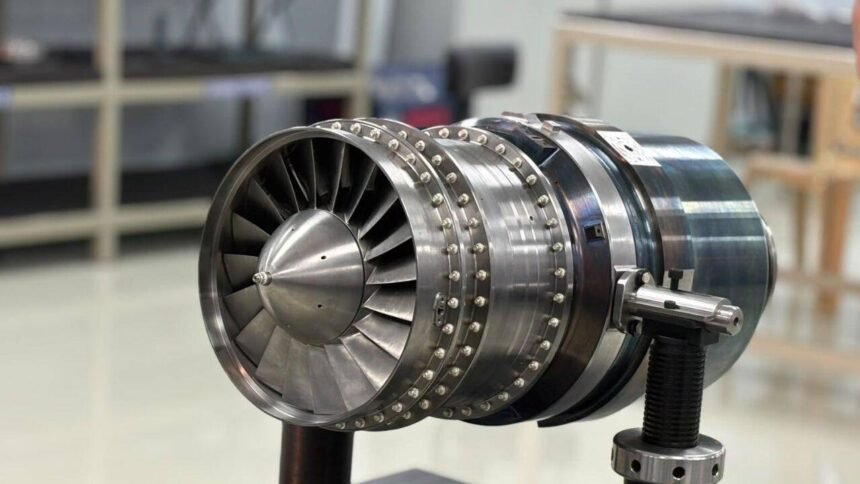
A jet engine that weighs less than a bag of rice. Dheya Engineering Technologies, a Bengaluru company, has built the DET-500 — a 5.5-kilogram micro-turbojet producing 500 newtons of thrust at 80,000 RPM — and in September 2026 it raised ₹43 crore in pre-Series A funding led by Avaana Capital to scale manufacturing. Small gas turbines are one of the most concentrated capabilities in aerospace: fewer than a dozen countries can build them indigenously, the company notes, and India has historically imported every one it flies.
The company is Bengaluru-based and focused entirely on small gas turbine engines. Published accounts of its founding conflict with each other across sources — different outlets name different founders and different founding years — so this post does not repeat founding details that cannot be verified. What is verifiable is the hardware: the DET-500’s specifications are consistent across the company’s video demonstrations and press coverage.
What the DET-500 is — and what 500 minutes of testing means
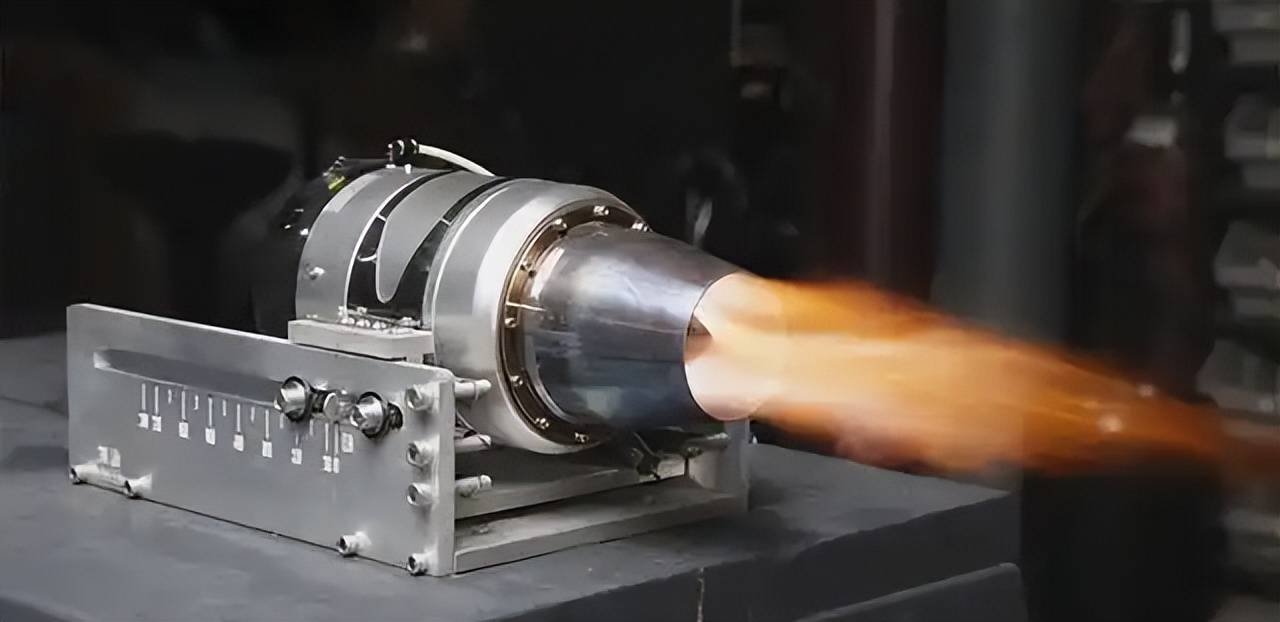
The DET-500 is a micro-turbojet in the 500-newton thrust class, spinning at 80,000 RPM and weighing 5.5 kg. The company reports more than 500 minutes of testing across 100+ test cycles, with runs up to 90% load — all company claims via its videos and press coverage, but unusually specific for the segment. The product family spans 20 to 400 kgf of thrust, including the smaller DET-200, and the company has developed a proprietary adaptive Engine Control Unit (ECU), with fuel-flexible designs including hydrogen capability.
Context matters here. Micro-turbojets power the unglamorous but critical middle of modern air power: high-speed target drones, reconnaissance UAVs, cruise-missile-class vehicles, and increasingly, loyal-wingman-type unmanned aircraft. India has imported these engines for decades. An indigenous 500N-class engine with triple-digit test minutes is a genuine milestone — which is also why the claims around it need the usual care.
Two calibrations. First, the testing figures, the confirmed OEM orders the company reports from Indian and international customers, and the 90%-load figure are all company claims — they have not been independently verified. Second, flight trials have not happened yet; the company targets Q4 2026. An engine that has only run on test stands is not yet a flying engine, and this post does not imply otherwise.
The funding and the certification path
The ₹43 crore pre-Series A (September 2026) was led by Avaana Capital with Unimech Aerospace and Manufacturing participating. The stated use of funds: scaling manufacturing, building an integrated test facility, and supporting customer deployments. Unimech’s participation is notable — it is an established aerospace precision manufacturer, which suggests the round was diligence-heavy rather than narrative-driven.
The certification path is the real story. The company is pursuing CEMILAC-DRDO airworthiness certification — the military airworthiness process that stands between a promising test-stand engine and one that can actually fly on an Indian military UAV. That process is slow, documentation-heavy, and exactly the kind of institutional barrier that has kept indigenous engine efforts grounded. Dheya entering it is a signal of seriousness. Engines need aircraft, and EndureAir’s SABAL drones are exactly the class of Indian UAV platforms that could one day carry them.
Competition is arriving. Nabhdrishti Aerospace (Accel-backed, $3 million seed) and Green Aero (with an L&T partnership) are pursuing adjacent small-turbine efforts in India. That is healthy — it means customers will soon have a choice of domestic suppliers — but it also means Dheya’s window to convert test minutes into flying contracts is finite.
5.5 kilograms, 500 newtons, 80,000 RPM — and ₹43 crore to turn test-stand minutes into flying engines.
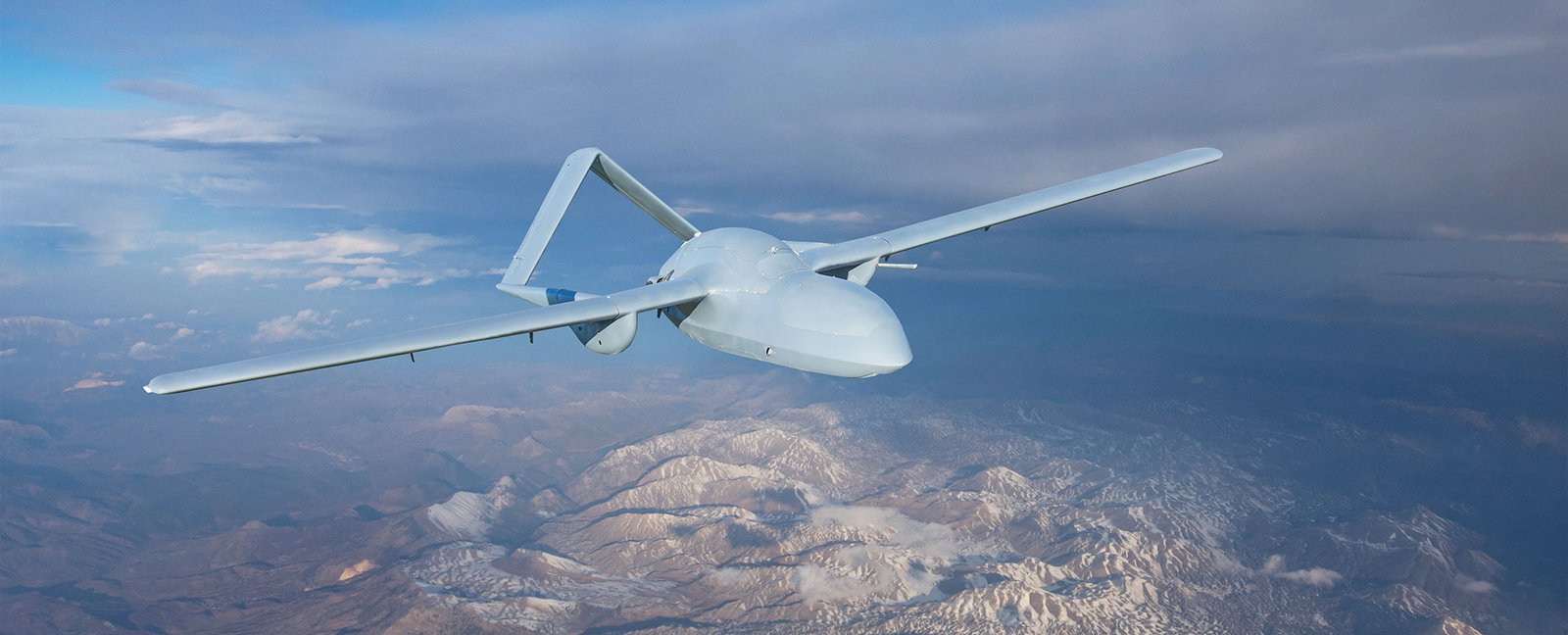
A note on framing: coverage sometimes describes the DET-500 as built “for combat drones.” The engines target high-speed UAVs broadly — surveillance, reconnaissance, and strike roles are all plausible, but specific combat-drone integrations are not publicly confirmed. This post does not overclaim military adoption that hasn’t been demonstrated.
Key takeaway
The takeaway: the DET-500’s specs are consistent and the test campaign is unusually well-documented for an Indian startup — but flight trials (targeted Q4 2026) are the milestone that converts a test-stand engine into a product.
What to watch: whether the Q4 2026 flight-trial target holds, whether CEMILAC certification progresses, and whether the reported OEM orders convert into production contracts. Dheya has built the engine; Indian aerospace history says the certification is the harder half.
More Read

Sources & further reading
Sources & further reading
- Dheya Engineering — company site — Product specifications and company updates
- Avaana Capital funding announcement coverage — ₹43 cr pre-Series A reporting
- CEMILAC / DRDO airworthiness process — Certification context
Frequently Asked Questions
What is the DET-500?
A micro-turbojet built by Bengaluru’s Dheya Engineering — 5.5 kg, 500N thrust, 80,000 RPM — aimed at high-speed UAVs. The company reports 500+ test minutes across 100+ cycles.
Has the DET-500 flown?
Not yet. The company targets flight trials in Q4 2026 and is pursuing CEMILAC-DRDO airworthiness certification. All testing to date is ground-based, per the company.
Who funded Dheya?
A ₹43 crore pre-Series A in September 2026, led by Avaana Capital with Unimech Aerospace and Manufacturing participating.
Who are Dheya’s founders?
Published accounts conflict across sources, so this post does not name founders. The company is Bengaluru-based and focused on small gas turbine engines.
Is it really for combat drones?
The engines target high-speed UAVs broadly — India is building aero-engine capability on multiple fronts: the Reliance–Rolls-Royce partnership is bringing global engine manufacturing to India.
Specific combat-drone integrations are not publicly confirmed, so military adoption should not be assumed.