


Most drones fly on a short leash. The radio link between a pilot and an aircraft reaches only as far as the eye can see, and once a drone slips beyond that line, the link ends — and the mission ends with it. A startup from Bhubaneswar is cutting that leash. FxUAV Technologies builds the communication hardware that lets Indian drones fly far beyond visual range, streaming live video and telemetry over 5G, and its FalconLink 5G module is already working in mines and with defence and commercial customers.
The leash holding drones back
Most drones still fly on short-range radio or Wi-Fi links, which means they can only operate within line of sight of their pilot. That is fine for a hobby flight or a quick survey, but it rules out the jobs where drones matter most: watching over a mine, patrolling a border, surveying a disaster zone, or carrying cargo between towns. For all of those, a drone has to keep flying long after it has disappeared from view — and it has to stay in touch the whole way.
That is the problem FxUAV set out to solve. The company’s answer is to put the drone on the mobile network: wherever 5G or LTE coverage exists, the aircraft stays connected, with its video, sensor data and control link flowing through the same networks our phones use. The range limit stops being the radio in the pilot’s hands and becomes the edge of the network itself.
A board built for beyond sight
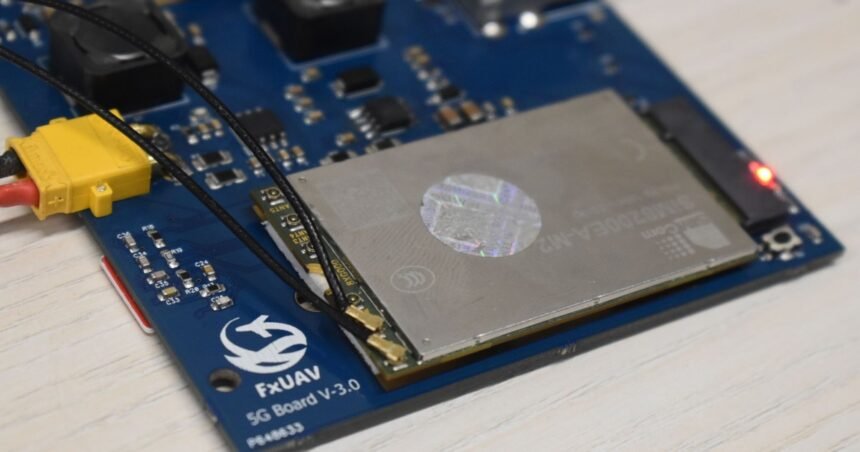
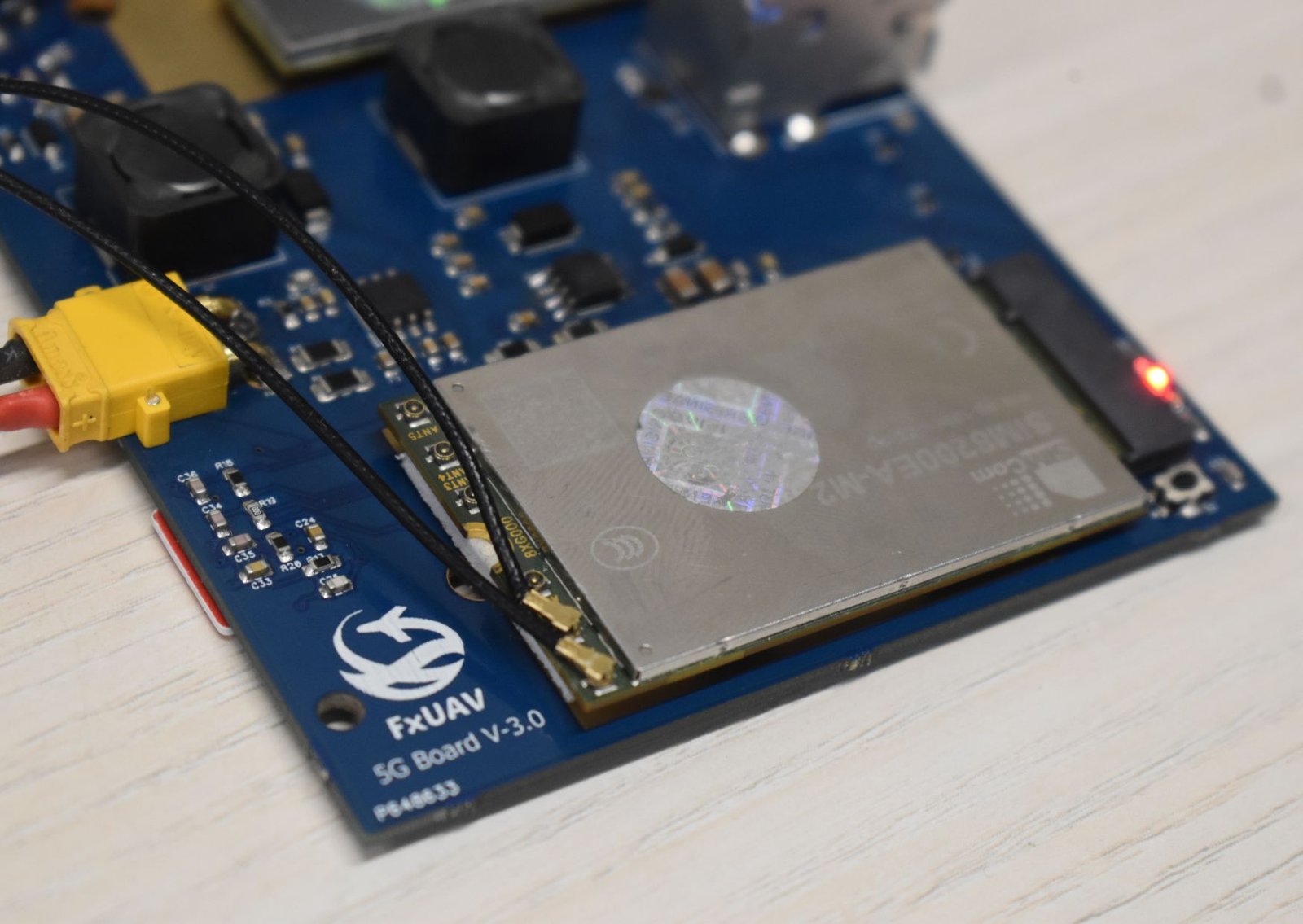
The heart of the system is FalconLink 5G, a compact module that bolts onto a drone and turns it into a connected device. It carries two SIM slots and two 5G modem slots, and bonds the two carriers into a single pipe — if one network drops, the other holds the link, so the video keeps flowing. The company says the link responds in under a millisecond, and streams HD video, sensor data and alerts in real time to a browser-based dashboard, so an operator can watch a mission from anywhere.
The module is built on FxUAV’s own 5G Board V-3.0, which works with Simcom, Quectel and Sierra 5G modules and carries the company’s patented bonding and encryption stack end to end. Everything from the hardware board to the cloud dashboard comes from one team, which is exactly the point: an indigenous link, owned and understood in India, rather than a black box imported from abroad.
Tested where the signal is weakest
FalconLink is not a lab demo. The company has run more than six field tests, including outdoor trials at the Sonepur Bazari mines with TEXMiN, Lekha Wireless and Niral Networks, and the company says its tests cut latency by 35% in low-signal zones — the places where a dropped link matters most. Through NSRCEL’s Kotak BizLabs programme at IIM Bangalore, the team converted more than six pilots, and it now works with clients across defence and commercial sectors.
More Read

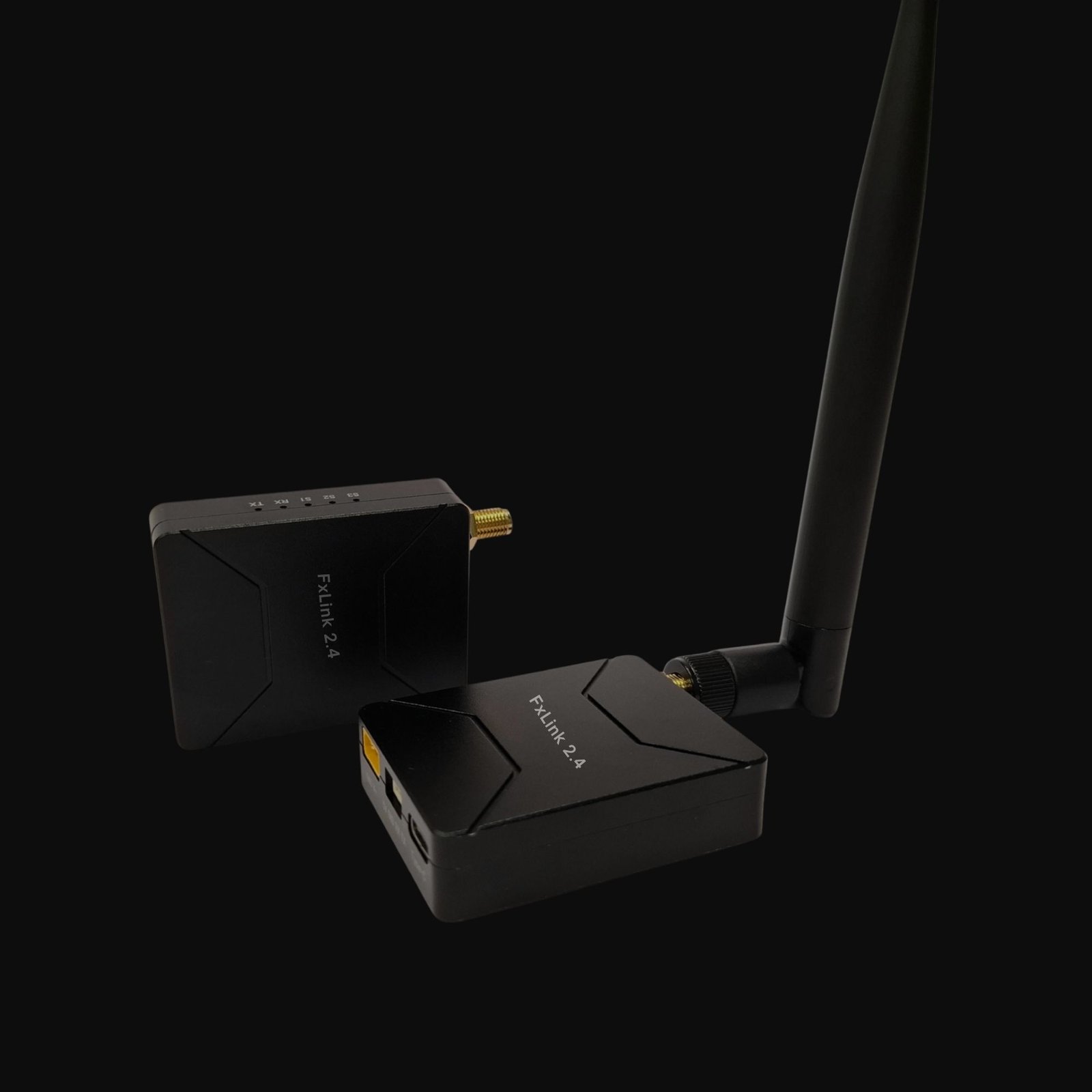
The rest of the family fills out the picture. FxLink 2.4 is the company’s long-range radio for places with no cellular coverage at all, and FxMesh links drones into a mesh network. Modular kits start at ₹15,000, and a software platform handles the video telemetry, so a drone maker can bolt the link on and fly.
From a cyclone hackathon to a company
FxUAV traces its roots to Veer Surendra Sai University of Technology at Burla in Odisha, where co-founders Partha Sarathi Dash and Subham Acharya started building drones in their college years. Their turning point came at the Rebuild Odisha Hackathon in 2019, after Cyclone Fani, where their drone-based first-responder prototype showed what a connected aircraft could do in a disaster. They founded FxUAV Technologies in 2021 and chose the harder path: building the link itself, rather than buying it in.
The ecosystem has backed them at every step. The startup is incubated at STPI’s Electropreneur Park in Bhubaneswar, supported by TEXMiN and NSRCEL at IIM Bangalore, and prototyped at T-Works in Hyderabad. It won Chunauti 1.0 and Phase 2 of the 5G Hackathon, was named among the top 24 startups at TiECON Kolkata 2020, and its first patent for the 5G telemetry module was granted in 2024. The company now holds two granted patents.
What comes next
The roadmap runs deeper into indigenous hardware: FxSDR, a software-defined radio with 10 km video and 30 km telemetry range, the FxRemote 1.1 controller with a 7-inch display, and the FxVTX video transmitter are all in development, alongside fully indigenous remote controllers and long-range telemetry systems. The same team is also building SeederX, a precision drone that drops seedballs to bring green cover back to hard-to-reach land.
The market is moving their way. YourStory puts India’s drone market on course for ₹3 lakh crore, and every one of those aircraft will need a link it can trust. FxUAV is building that link in India — patent by patent, test by test — so the next generation of Indian drones can fly as far as the mission needs, not as far as the radio reaches.
Keep reading: The Tiny Jet Engine Behind India’s Jet-Powered Drones: Inside Raghu Vamsi’s ARROBOT · The Jellyfish Net That Stops a Fleeing Boat: Inside Big Bang Boom’s Cnidaria Aqua Tether · More Aerospace & Defense stories
Like stories like this? Add Exceptional Technology as a preferred source on Google to see more of our reporting in your search results and Discover feed.







