Every morning in India’s biggest cities, millions of people lose hours to traffic — two or three hours a day crawling between home and work, while the sky above stays empty. The flying taxi has been promised for years, but the aircraft that could actually make it real in India has to be designed here, certified here, and priced for Indian travellers. In Mohali, Punjab, one company has spent the last few years building exactly that machine.
That company is Nalwa Aero, and its aircraft is the Aphulas — a five-seat electric vertical take-off and landing (eVTOL) aircraft that the company says will fly passengers, patients and cargo across cities and between them, with fares starting at just ₹200 per passenger on select short routes.
A box wing with eight tilting rotors
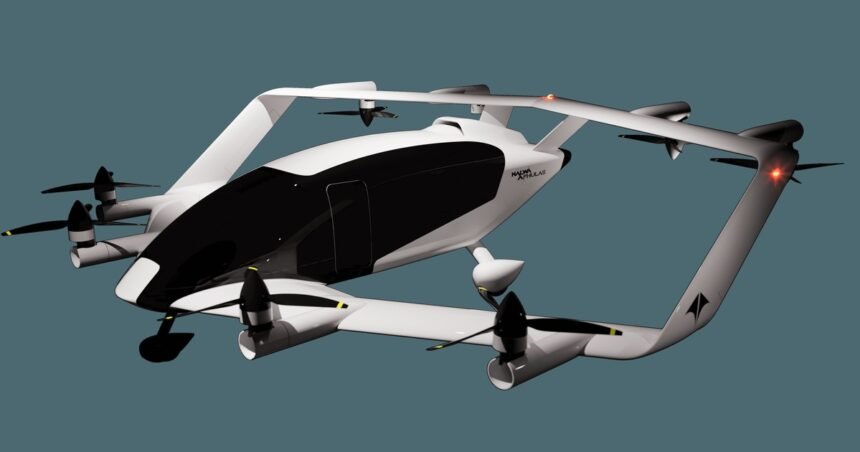
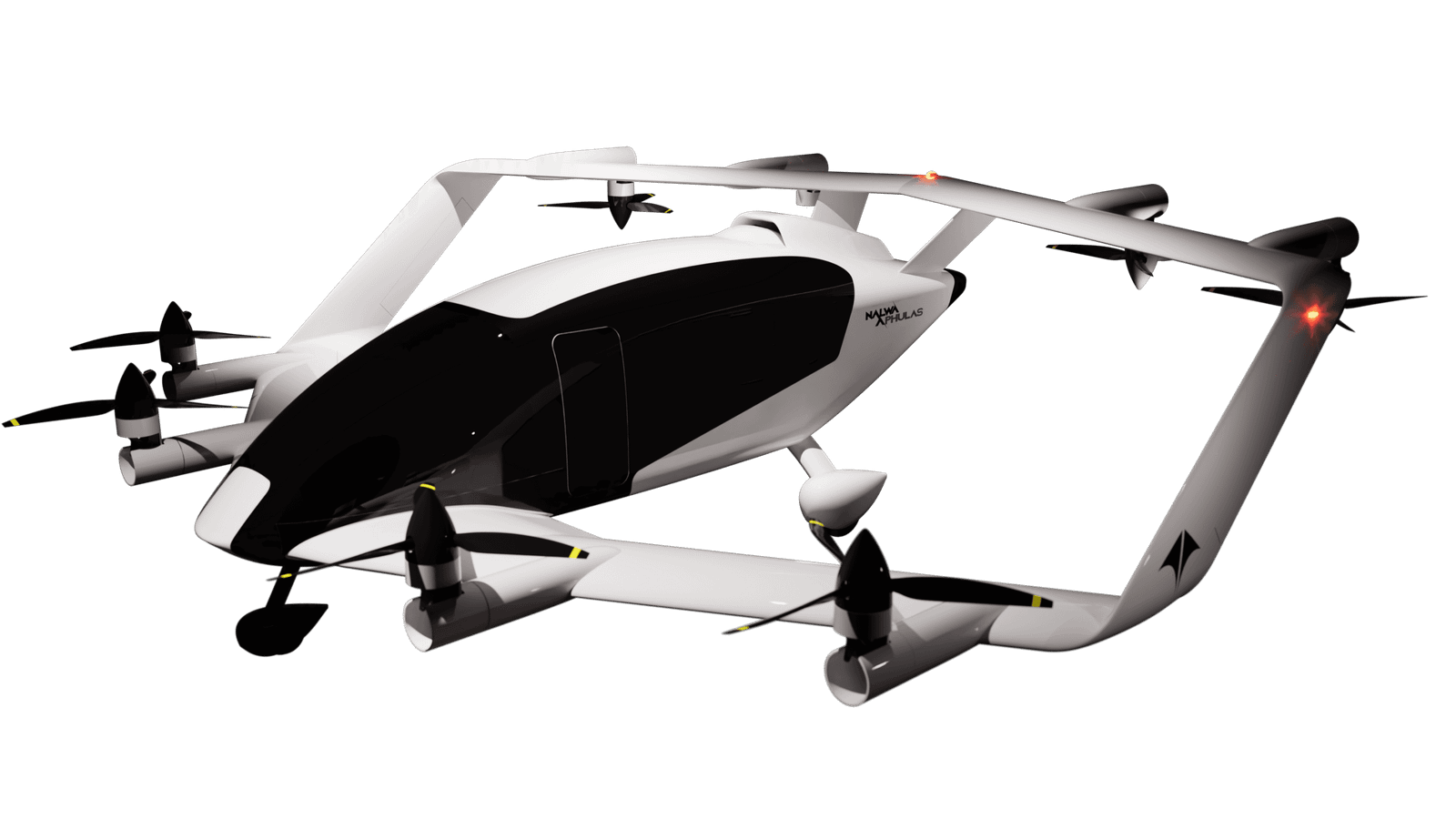
The Aphulas is built around a distinctive box-wing design: two wings joined at their tips into a closed loop, which the company says maximises aerodynamic efficiency and structural strength. Eight tilting rotors — four on the front wing and four on the rear — lift the aircraft vertically and then tilt forward for cruise flight, while a fly-by-wire flight computer with autonomous capabilities and envelope protection manages the transition.
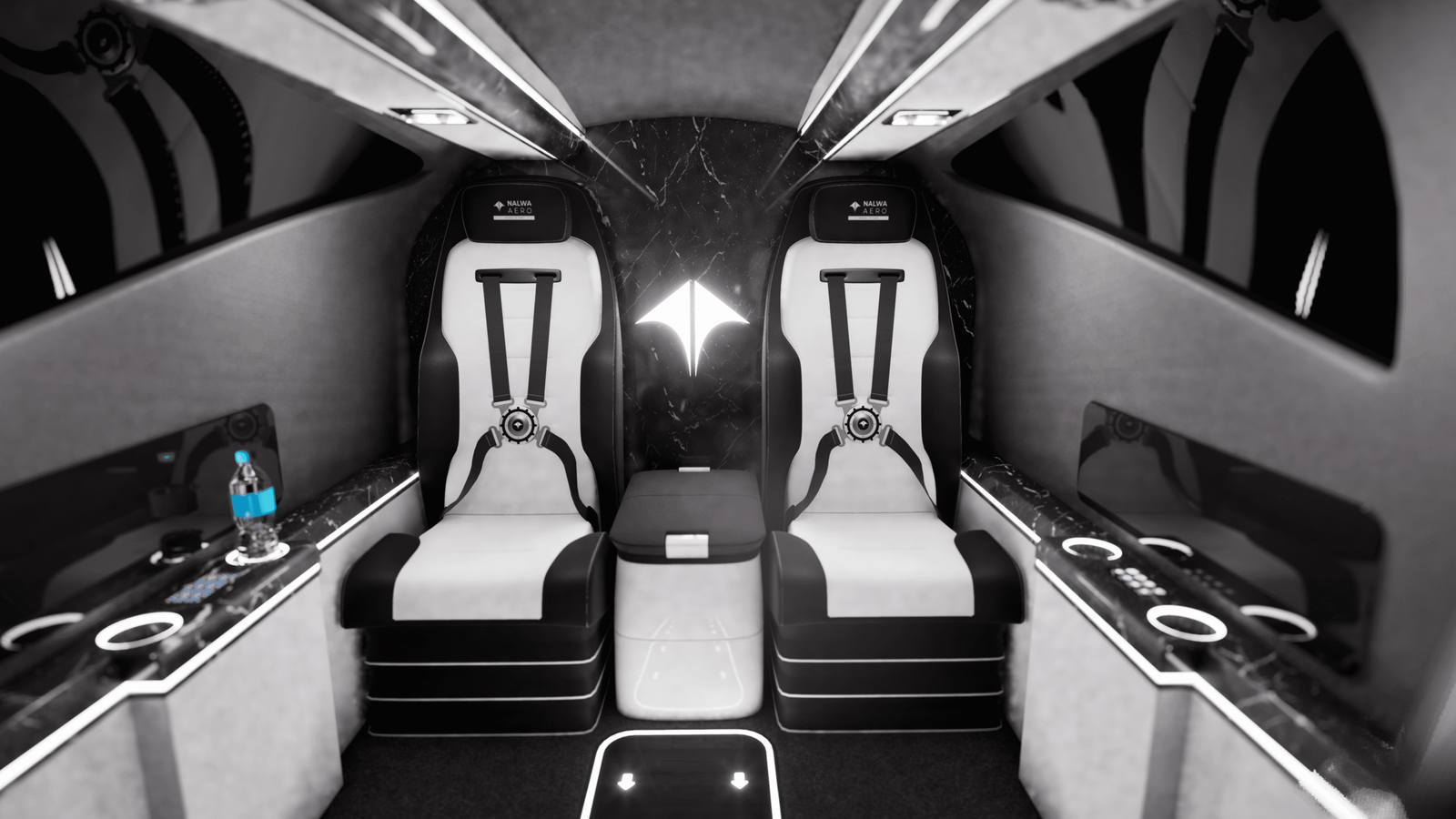
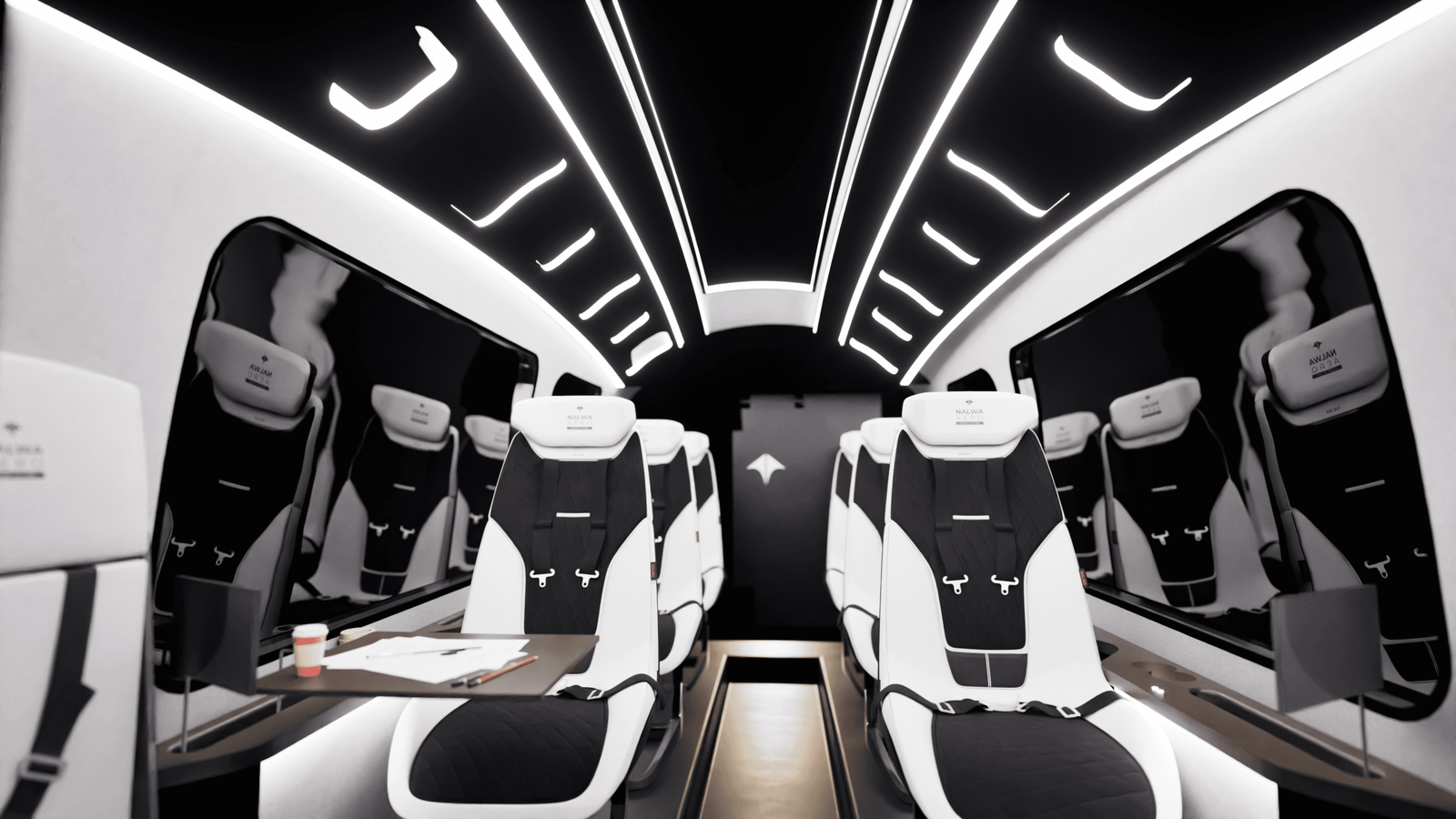
The cabin seats one pilot and four passengers with their luggage, wrapped in panoramic windows, and the airframe is built from carbon-fibre composite. The company puts the aircraft’s cruise speed at 350 km/h, its full-electric range at 450 km, and its payload capacity at 1,000 kg — and says a hybrid hydrogen-electric version could stretch the range beyond 1,500 km.
India’s first eVTOL design approval
In September 2025, Nalwa Aero became the first Indian company to receive Design Organisation Approval (DOA) from the Directorate General of Civil Aviation (DGCA) for an eVTOL aircraft in the five-seater-and-above category. The certificate was presented to founder and CEO Kuljeet S. Sandhu by Civil Aviation Minister Kinjarapu Rammohan Naidu at the North India Aviation Summit — a formal recognition of the company’s design capabilities within its authorised scope, and a milestone for the country’s Atmanirbhar Bharat ambitions in aviation.
More Read

The momentum has kept building. On 25 October 2026, the minister met the Nalwa Aero team again and welcomed the successful flight testing of the company’s electric box-wing aircraft, saying Indian startups are set to redefine how the country flies — with flying taxis, air ambulances and cargo flights all in reach.
One aircraft, many jobs
The Aphulas is designed as a multi-role platform that can be reconfigured quickly between roles. As an air cab, it offers executive seating, panoramic views and climate control for premium city travel. As an air ambulance, it can reach patients and hospitals far faster than road transport — a difference the company notes matters deeply in a country where delays in medical assistance cost lives every day. And as a cargo carrier, it can move urgent freight to places roads reach slowly or not at all.
Partners, vertiports and ₹200 fares
Nalwa Aero is not building the aircraft alone. The company has partnered with Urban-Air Port, the vertiport infrastructure specialist, as its preferred infrastructure partner in India — the two will develop purpose-built vertiports alongside the aircraft itself. At Wings India in Hyderabad, Nalwa Aero also signed agreements with helicopter operators Global Vectra Helicorp, Pawan Hans and Himalayan Heli Services, with Himalayan Heli placing pre-orders for the aircraft.
The partners plan to begin with pilgrimage travel — including Char Dham Yatra routes — alongside urban and intercity air taxi services, air ambulances and offshore crew transport. The company says electric propulsion brings operating costs down far enough to offer fares starting at ₹200 per passenger on select short routes, with quieter flights and zero in-flight emissions as part of the deal. The company is targeting operational readiness by 2028, beginning in Delhi-NCR.
Named after Hari Singh Nalwa, the 19th-century Sikh general whose name the company honours, Nalwa Aero was founded in 2023 and works with chief technology officer Nelson Salas on the aircraft’s design. From a Mohali startup to the first Indian company holding DGCA design approval for a five-seat eVTOL, its story is a reminder that the future of Indian flight may be built not in a distant aerospace capital, but right here — one quiet, electric take-off at a time.
Keep reading: The Bengaluru Factory Behind the Rafale’s Controls: Inside Hical Technologies, India’s Quiet Aerospace Powerhouse · Seeing Through Clouds, Darkness and Leaves: Inside Sisir Radar, the Kolkata Startup Building India’s First Private L-Band SAR Satellite · More Aerospace & Defense stories
Like stories like this? Add Exceptional Technology as a preferred source on Google to see more of our reporting in your search results and Discover feed.