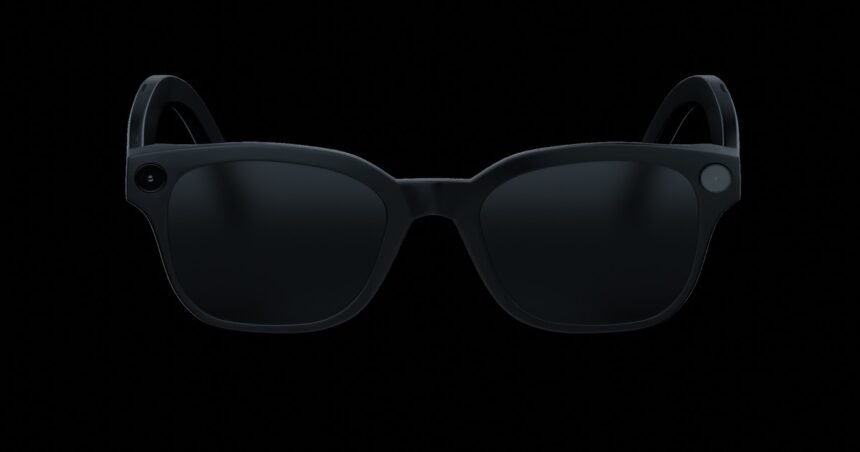
The next computer most of us wear will not sit on a desk or in a pocket. It will sit on our heads — a headset that trains a factory worker, a pair of glasses that answers a question out loud, a visor that shows a soldier what lies beyond the next ridge. Almost all of that hardware is designed somewhere else today. In Pune, one company decided India should design and build it at home.
That company is QWR — Question What’s Real — and its bet is simple: India should not just buy head-worn computers, it should make them. Founded in 2017 by Suraj Aiar, the company designs and assembles its headsets in Pune, and it has grown from classroom VR into enterprise headsets, AI glasses, defence systems and the manufacturing backbone other brands build on.
A headset for every job
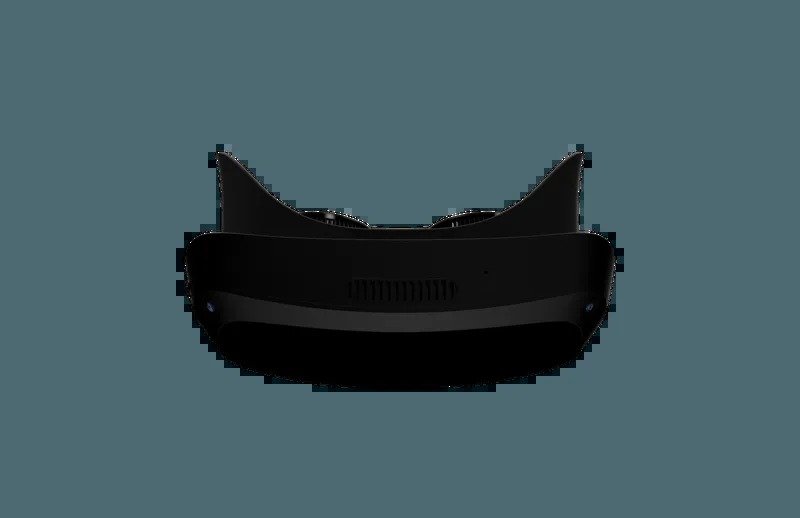
QWR’s VRone family covers the whole arc of head-worn computing. The VRone.Edu is the classroom headset, loaded with NCERT-aligned modules for kindergarten to Class XII. The VRone.Pro is the enterprise workhorse for workforce training, and the VRone.PC is a tethered headset for heavier simulations. The company prices the range from ₹29,999 for the classroom model to ₹54,999 for the tethered one.
The Pro, launched in August 2025, shows how serious the engineering is. It runs on Qualcomm’s Snapdragon XR2 platform with 8 GB of RAM and 256 GB of storage, and it puts a near-4K display in front of each eye at 1058 pixels per inch and a sustained 90 Hz refresh rate, across a 105-degree field of view. Pancake optics keep the unit slim, hand tracking from built-in wide-angle cameras replaces controllers for many tasks, and a 5,300 mAh battery sits at the back of the strap so the 350-gram headset stays balanced through long sessions. Adaptive pupillary-distance adjustment, a magnetic face cushion and SGS-certified low blue light round out a machine built for people who wear it all day.
Classrooms first, from Kohima to Patna
QWR started where the need was greatest rather than where the market was richest. Its VRone.Edu headsets took NCERT curriculum into government schools and Kendriya Vidyalayas, reaching more than 200,000 students across 19 states — from Kohima in Nagaland to Patna, Ranchi, Dehradun and Raipur — and more than 500 schools. A student does not read about the chambers of the human heart; the company says its modules let them step inside one. Tectonic plates become something you stand in the middle of, not a diagram you memorise.
More Read

The same approach now serves factories, mines and hospitals. The company points to early adopters such as Vedanta, where VR training sharpens memory retention and cuts risk in high-stakes environments, and it builds for the 14,000-plus ITIs and polytechnics that need scalable skilling infrastructure. Open deployment with no ecosystem lock-in means institutions own their devices and their content, rather than renting both from a foreign platform.
HUMBL: glasses that think out loud
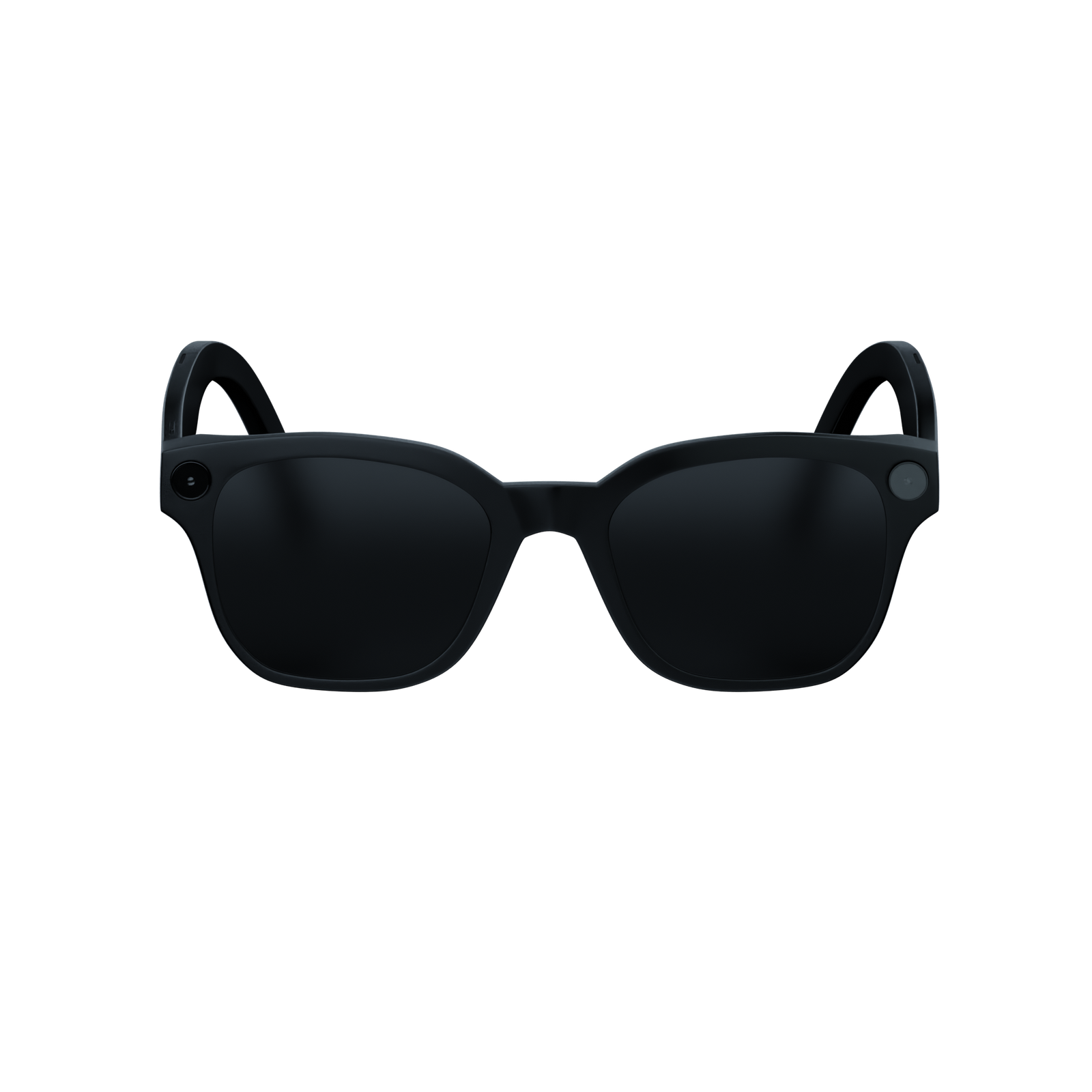
In July 2025, QWR unveiled HUMBL, its AI smart glasses — a 40-gram pair of camera-equipped glasses running on Qualcomm’s AR1 chip. HUMBL is voice-native by design: there is no text box, no prompt window, no keyboard. The wearer asks, captures a first-person view, or gets a live translation, and the assistant replies in sub-seconds, processing locally. The touch interface lives on the temple arms, but voice leads, and the company offers the HUMBL platform for licensing onto other companies’ hardware too, with Indian data sovereignty under the DPDP Act 2023 built into the pitch.
The factory behind the brands
What makes QWR different from a gadget brand is what sits behind the products. The company is an ODM and OEM engineering house: eight reference architectures that other brands can take to market in three to six months, custom optics and waveguides engineered in-house, a clean Android Open Source Project foundation with OpenXR plugins, and the full EVT-to-DVT-to-PVT path to mass production. Its Pune facility has a proven production capacity of more than 100,000 units a year, built with Tier-1 Indian electronics partners Kaynes Technology and Syrma SGS, and its devices are BIS certified and WPC approved.
As a Make in India Class 1 manufacturer — more than 51 percent of the bill of material and value addition done locally — QWR’s hardware qualifies for government procurement under Buy Indian categories. The company says it has shipped more than 50,000 units to 17 countries, and it runs a developer grant programme, the QWR ISV Program, so Indian creators build content directly for its ecosystem instead of someone else’s.
Sovereign XR for the armed forces
The same stack serves a sharper purpose. QWR builds sovereign XR for the Indian armed forces — VR combat simulation, tactical AR and soldier-borne heads-up displays — on what the company describes as 100 percent Indian-origin intellectual property, with no foreign dependencies and no foreign backdoors. Its defence systems are pre-compliant with MIL-STD-810H and JSS 55555 and eligible under the Defence Acquisition Procedure’s Indigenous Design, Development and Manufacture route and iDEX.
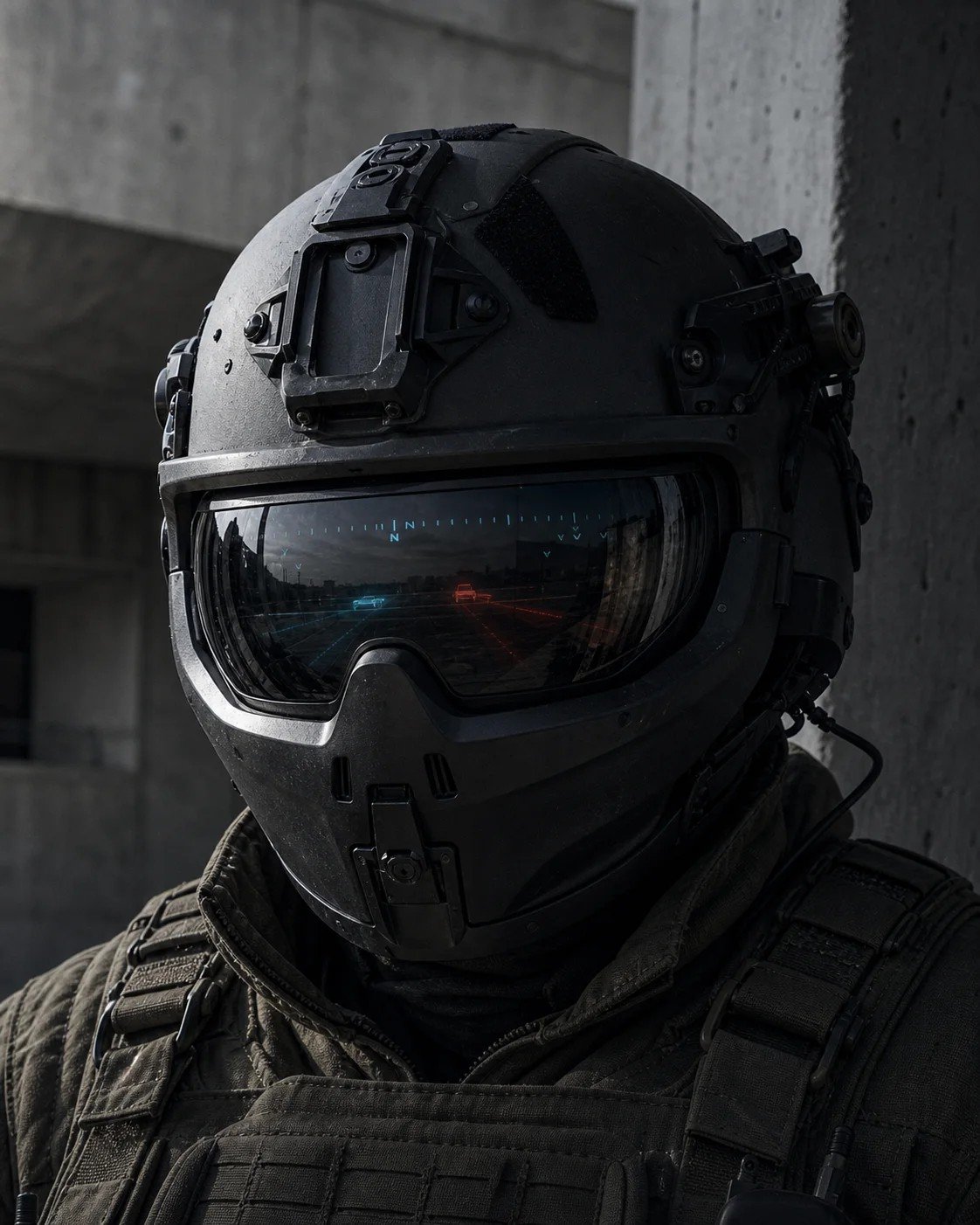
From a classroom in Kohima to a training floor in Pune to a soldier’s visor, QWR’s story is the same one: the computers India will wear on its head, designed and built in India. The company started in 2017 with its founder’s own savings and a conviction that if the future means wearing computers, India should have a factory that builds headsets rather than another factory that builds phones. Nine years on, that factory exists — and its headsets are already teaching students, training workers and showing soldiers the battlefield before they step onto it.
Keep reading: On Wheels, Not Legs: Inside Addverb’s Elixis-W, India’s First Wheeled Humanoid Robot · Going Vertical: Inside Tech Mark, the Pune Company Automating India’s Warehouses · More Industrial Automation & Technology stories
Like stories like this? Add Exceptional Technology as a preferred source on Google to see more of our reporting in your search results and Discover feed.