Every evening, in millions of homes, the same negotiation plays out: someone has to stand at the stove for the better part of an hour, chopping, stirring, watching, timing — while dinner waits and the evening slips away. A Bengaluru-born company called Posha thinks the stove should do the watching itself. Its countertop robot chef cooks a full meal on its own, from the first sizzle to the final stir, while its owner does something else entirely.
Posha is a kitchen robot that cooks like a human chef — or as close as a machine has come. Load in prepped ingredients, pick a recipe on its touchscreen or phone, and the robot takes over: it watches the food with a built-in camera, adds spices, oil and water at the right moment, controls the heat and stirs the pot, adjusting as it goes. The company says it cuts the active work of cooking by up to 70%, leaving the cook with ten to twenty minutes of deciding, light prep and cleanup a day.
The company behind it was founded in Bengaluru in 2017 as Nymble, by Raghav Gupta and Rohin Malhotra. It is headquartered in San Francisco today, with its development centre still in Bengaluru, where the robot was engineered. In May 2025 it raised an $8 million Series A round led by Accel, with Waterbridge Ventures, Xeed Ventures, Flipkart co-founder Binny Bansal and the founders of GreyOrange among the backers, and in January 2025 the first Posha robots began shipping to customers in the US — the first production run sold out.

A camera that cooks by sight
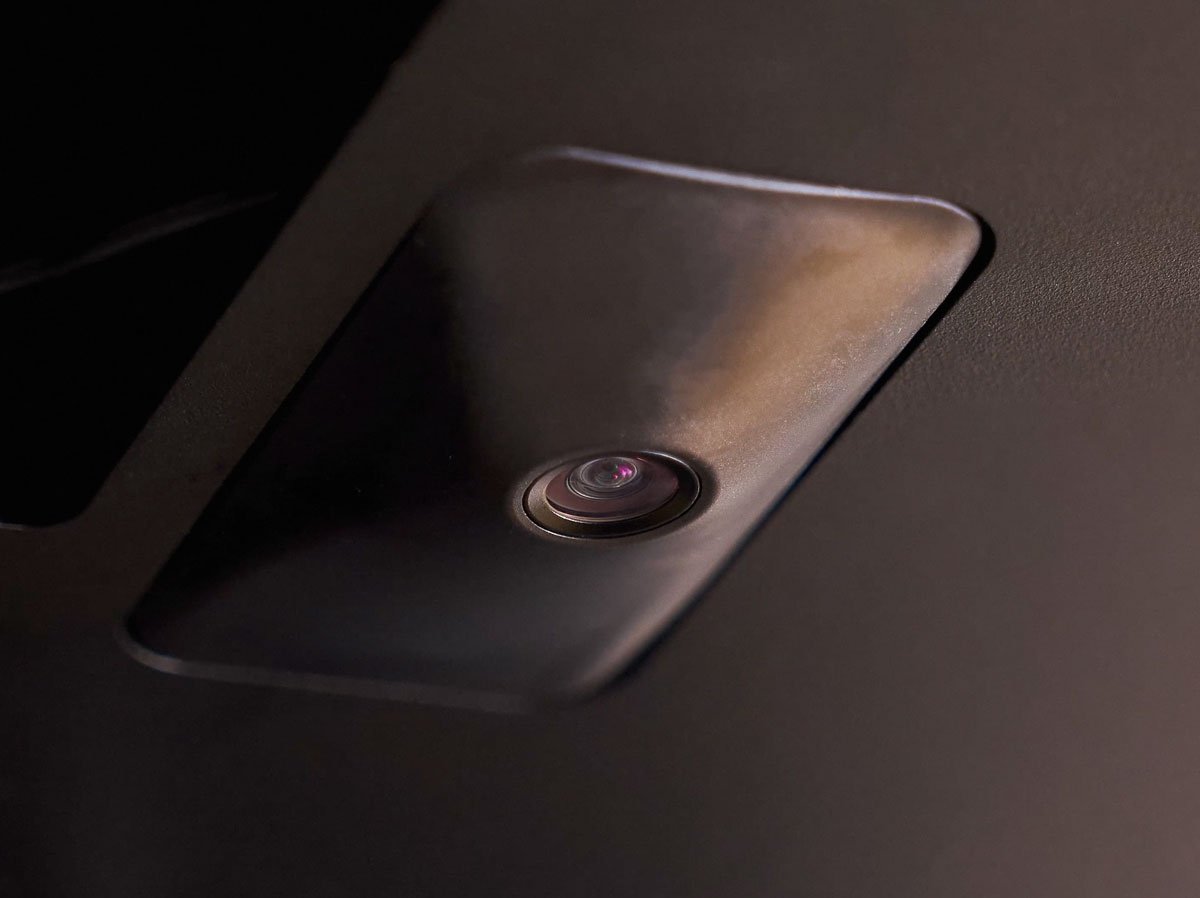
The heart of Posha is its eye. A high-resolution camera mounted above the cooking surface watches the food as it cooks — tracking colour changes as onions brown, the texture of a sauce as it thickens, the pattern of bubbles as a curry simmers — and the company’s computer-vision models read those signals the way an experienced cook reads a pan. When the food reaches the stage the recipe calls for, Posha acts: it dispenses the next ingredient, turns the heat up or down, or stirs.
Under the hood is an 1,800-watt induction cooktop, a robotic stirring arm, and pods that hold and dispense spices, oils and water on cue. The robot manages the whole sequence — ingredient timing, heat, stirring and the transitions between cooking stages — as one integrated process, instead of following a fixed timer. It cooks pastas, stews, stir-fries, rice bowls, curries, noodles, egg scrambles and roasted potatoes, and its recipe library now holds more than 1,000 dishes from around the world, from Indian curries to French ratatouille, Italian pasta and Pad Thai.

From a robotic arm to a countertop chef
Posha did not start out looking like a kitchen appliance. The first version was a robotic arm, built when the founders set out to automate home cooking from first principles. Time in Bosch’s accelerator programme changed the design: customers did not want something that moved around the kitchen or created more cleanup. The team rebuilt the idea as a single countertop machine — about the size of a large microwave — that does the whole job in one pot.
More Read

The pivot paid off in public. Posha exhibited at CES 2024 under its original Nymble name, won the 2025 SXSW Innovation Award for Interface Design, and in September 2026 its chief executive Raghav Gupta took the robot to IFA Berlin, the world’s largest consumer electronics show, to argue the case for task-specific kitchen robots on the event’s Dream Stage. The company says the next batch of robots is now shipping, and more than 1,500 customers have placed pre-orders.
The eye that never blinks
The camera is the difference between a robot that follows a recipe and one that cooks. A timer cannot tell whether the onions have actually browned; Posha’s camera can. That feedback loop — watching the food, not just the clock — is what lets it respond when a dish is cooking faster or slower than expected, and it is the same loop the team plans to extend with generative AI that can turn a cook’s constraints — dietary needs, ingredients on hand, target macros — into a machine-executable recipe.
From Bengaluru to the world’s kitchens
For Gupta, the mission is personal. He grew up in India, where he says he watched love get expressed through food — and watched friends and family struggle to choose between their careers and putting a home-cooked meal on the table. Posha’s name comes from the Sanskrit Poshan, meaning nourishment, and the ambition is exactly that: healthy, home-cooked meals without the hour at the stove.
The robot sells for $1,500 on pre-order ($1,750 at retail), with an optional membership for expanded recipes and features. For now it is focused on the US market, where it is already in homes — but the engineering, the computer vision and the cooking intelligence were all built in Bengaluru. A kitchen robot that watches dinner cook itself is no longer a demo on a trade-show floor. It is on kitchen counters, cooking dinner, while its owners get their evening back.
Keep reading: The Gurugram Teenager Who Cracked Apple’s AirPods Code: Inside LibrePods, the App Freeing AirPods From the iPhone · The Robot That Pulls 4,600 kg: Inside Ati Robotics, the Bengaluru Startup Automating the World’s Factories · More Industrial Automation & Technology stories
Like stories like this? Add Exceptional Technology as a preferred source on Google to see more of our reporting in your search results and Discover feed.