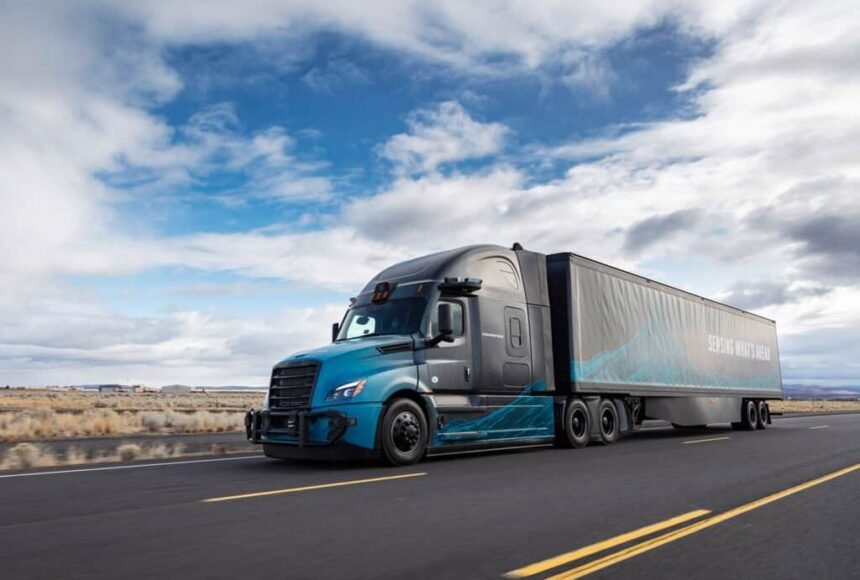
In less than 20 days, two former members of IIT Bombay Racing converted a standard mini truck into an autonomous vehicle. No new actuators — the truck accepts electronic throttle and steering commands as-is. One LiDAR, four cameras, 360° vision, powered straight off the vehicle battery. Before it ever touched tarmac, the stack was trained and validated in the CARLA simulator. It is a striking demo. It is also, to be clear about what follows, a proof of concept — not a product, not a company with a vehicle programme, and a story told so far by a single source.
That honesty matters because everything specific about NeuralMiles — the 20-day build, the sensor fit, the roadmap — comes from one place: the description of a YouTube short. No press coverage, no funding announcements, no official website surfaced during research. This post attributes accordingly and treats the short as what it is: primary evidence, but the only evidence.
What the 20 days actually proved
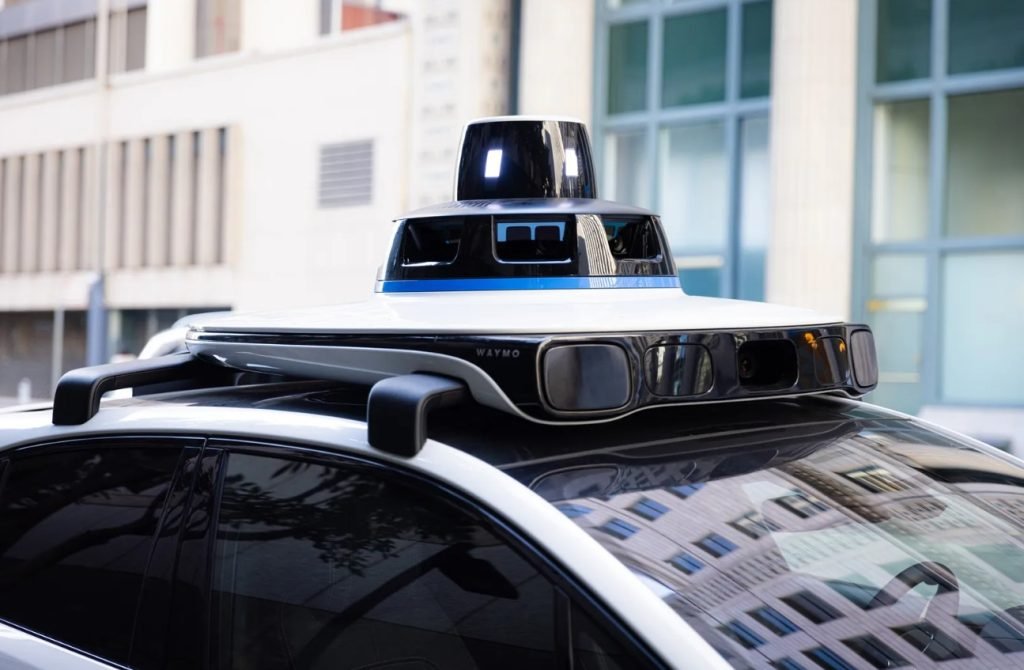
Strip away the timeline theatrics and the engineering choices are interesting. Converting a production mini truck without adding actuators means the autonomy stack interfaces with the vehicle’s existing electronic controls — a harder software problem than bolting on a drive-by-wire kit, and a more scalable one if it works. The sensor suite is lean by industry standards: a single LiDAR unit plus four cameras for full surround view, drawing power directly from the truck’s battery rather than a separate power system.
The CARLA-first workflow is the other notable choice. CARLA is an open-source simulator built on Unreal Engine, widely used in autonomy research. Training lane detection and obstacle avoidance in simulation before road testing is standard practice at serious AV companies — seeing it in a student project signals the team knows the discipline, not just the demo.
Key takeaway
Key takeaway: the 20-day number is the hook, but the substance is the method — actuator-free conversion, lean sensing, simulator-first validation. That is a credible software-stack proof of concept, whatever the company becomes.
Why the pedigree matters more than the truck
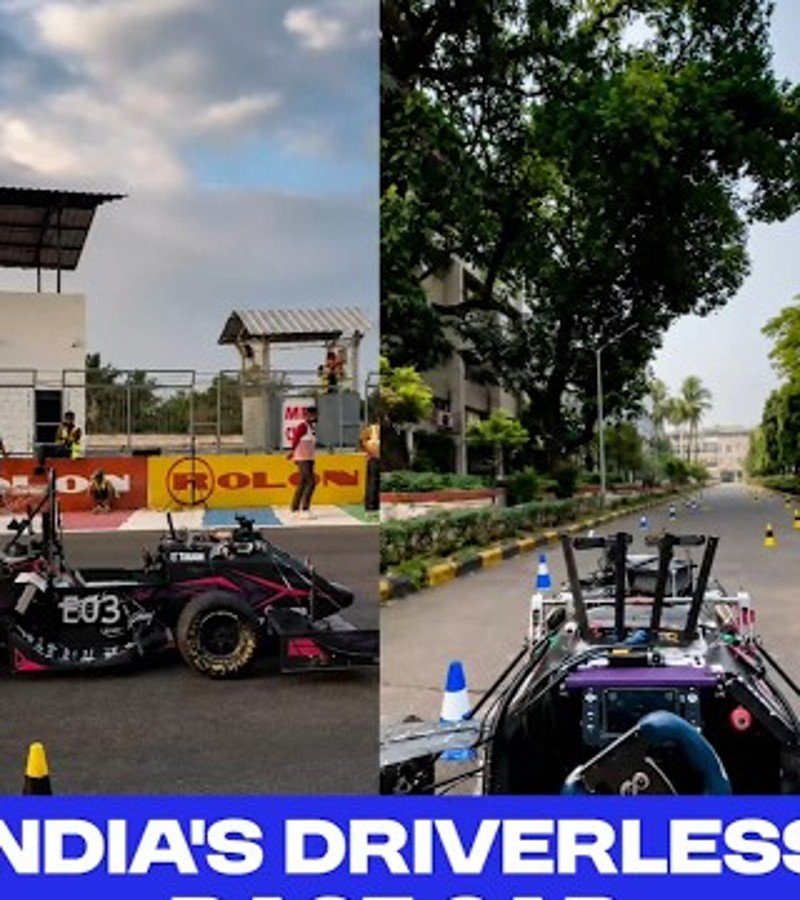
The reason to take NeuralMiles seriously despite the thin sourcing is IIT Bombay Racing. The team built India’s first driverless Formula Student car, unveiled at Formula Bharat 2026, and won the Driverless Cup at Formula Student Portugal 2026 — the first Indian team to compete in the international driverless category. That record is well documented by IIT Bombay itself, EVReporter, and aftermarketandservice.in. Driverless racing is arguably the best possible training for autonomy engineering — student teams keep producing it: AUV-IITB’s RoboSub-winning underwater robots are proof of the pipeline: real vehicles, real physics, unforgiving deadlines. Autonomy needs platforms to run on — Propel’s electric heavy vehicles show Indian trucks and dumpers going electric in parallel.
The founders’ names, however, could not be verified — the short’s description says only “two of those students.” This post does not name them. Naming unverified founders is how errors get laundered into facts.
A 20-day conversion is a demo of a software stack, not a vehicle programme. The credible part is the method — and the racing pedigree behind it.
What comes next — and what doesn’t exist yet
According to the video description, the next phase is purpose-built autonomous truck hardware: removing everything a driver needs — cabin, HVAC, manual controls — for a ground-up design the team says would cost less and run more efficiently than human-driven trucks. That vehicle does not exist. Neither does a customer, a pilot deployment, or a funding round, as far as public records show.
This is the line the post will not cross: there is no commercial deployment to report, and implying one would be fiction. What exists is a converted mini truck, a simulator-validated stack, and two engineers with arguably the best driverless-vehicle training available in India. Whether that becomes a company is the open question — and the honest one.
More Read
What is NeuralMiles?
A company founded by two former IIT Bombay Racing members who converted a standard mini truck into an autonomous vehicle in under 20 days as a proof of concept for their autonomy software stack.
Who founded NeuralMiles?
Two former members of IIT Bombay Racing, per the project’s video description. Their names could not be verified, so this post does not name them.
Is the driverless truck a product?
No. It is a converted mini truck demonstrating the software stack. A purpose-built autonomous truck is described as the next phase, but it does not exist yet.
What sensors does the truck use?
According to the video description: one LiDAR unit and four cameras giving a 360° view, powered directly from the vehicle battery.
What is IIT Bombay Racing’s driverless record?
India’s first driverless Formula Student car (Formula Bharat 2026) and Driverless Cup winners at Formula Student Portugal 2026 — the first Indian team in the international driverless category.
Sources & further reading
- NeuralMiles project video (primary source) — The 20-day build, sensor fit, simulator validation and roadmap — the story’s sole source
- IIT Bombay Racing driverless programme — Institutional corroboration of the racing pedigree
- EVReporter: Formula Student driverless coverage — Independent reporting on India’s driverless Formula Student record