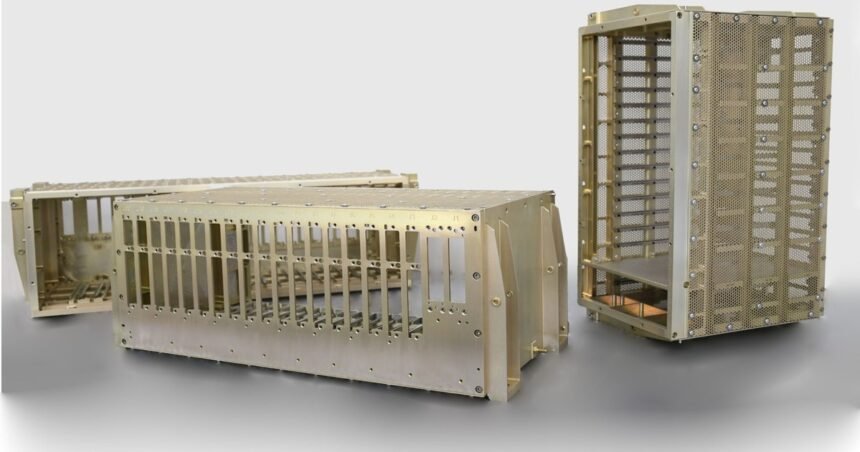
Every Rafale that roars off an Indian runway, and every PSLV that climbs into orbit, carries parts most Indians have never heard of. Many of them are built in Bengaluru by Hical Technologies — a precision electromechanical manufacturer that has spent four decades turning metal into mission-critical hardware for the world’s most demanding aerospace programmes. This October, the company took its biggest step yet: a new 60,000-square-foot aerospace plant in Devanahalli, and a memorandum of understanding with Safran Aerosystems to explore building complex Rafale systems right here in India.
A new plant for bigger programmes
The Devanahalli facility, inaugurated on 6 October 2026, houses dedicated production lines for complex electromagnetics, electromechanical, hydraulic and control systems for commercial aircraft and Rafale programmes. It also includes an experience centre showcasing the company’s manufacturing capabilities. The company says the plant strengthens the manufacturing depth needed to support complex aerospace and defence programmes from India, serving global customers at greater scale while holding on to the precision, reliability and process discipline those programmes demand.
The new plant is only half the expansion. A second, 160,000-square-foot aerospace-qualified facility is under development in Hosur, where groundbreaking was completed in July 2026. That site is being built for precision machining, fabrication and special processes, and is progressing towards NADCAP qualification — the aerospace industry’s demanding stamp for special-process quality.
From Rafale controls to rocket actuators
Hical’s role in the Rafale ecosystem runs deep. Dassault Aviation has already selected the company to work directly on control systems for the Rafale programme, and on 7 October 2026 Hical signed an MoU with Safran Aerosystems to explore a joint venture manufacturing complex fluid and fuel systems and related assemblies for Rafale aircraft being produced under the Make in India initiative. The proposed venture would combine Safran Aerosystems’ technology leadership in aircraft fluid and fuel systems with Hical’s precision manufacturing and systems-integration capabilities.
In space, the company’s hardware flies on India’s own rockets. Hical works with ISRO’s Vikram Sarabhai Space Centre, supplying electromechanical actuators for the thrust-vector control systems used in the PSLV, GSLV and LVM3 launch vehicles — the mechanisms that steer a rocket by tilting its engines mid-flight. Its wider customer list reads like a roll call of global aerospace: Hamilton Sundstrand (UTAS), Goodrich Aerospace, Eaton Aerospace, Thales Solutions Asia and Moog Controls.
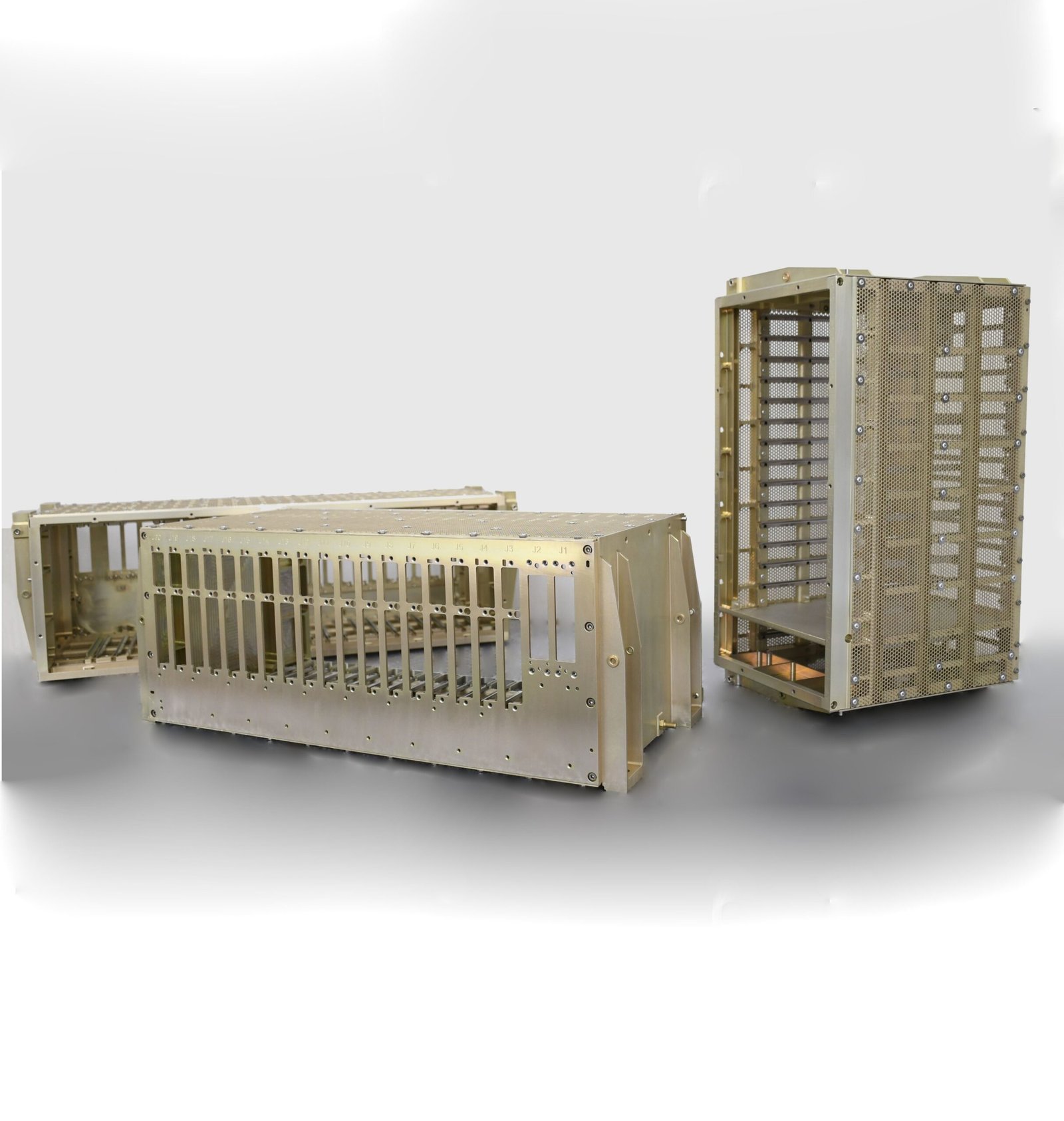
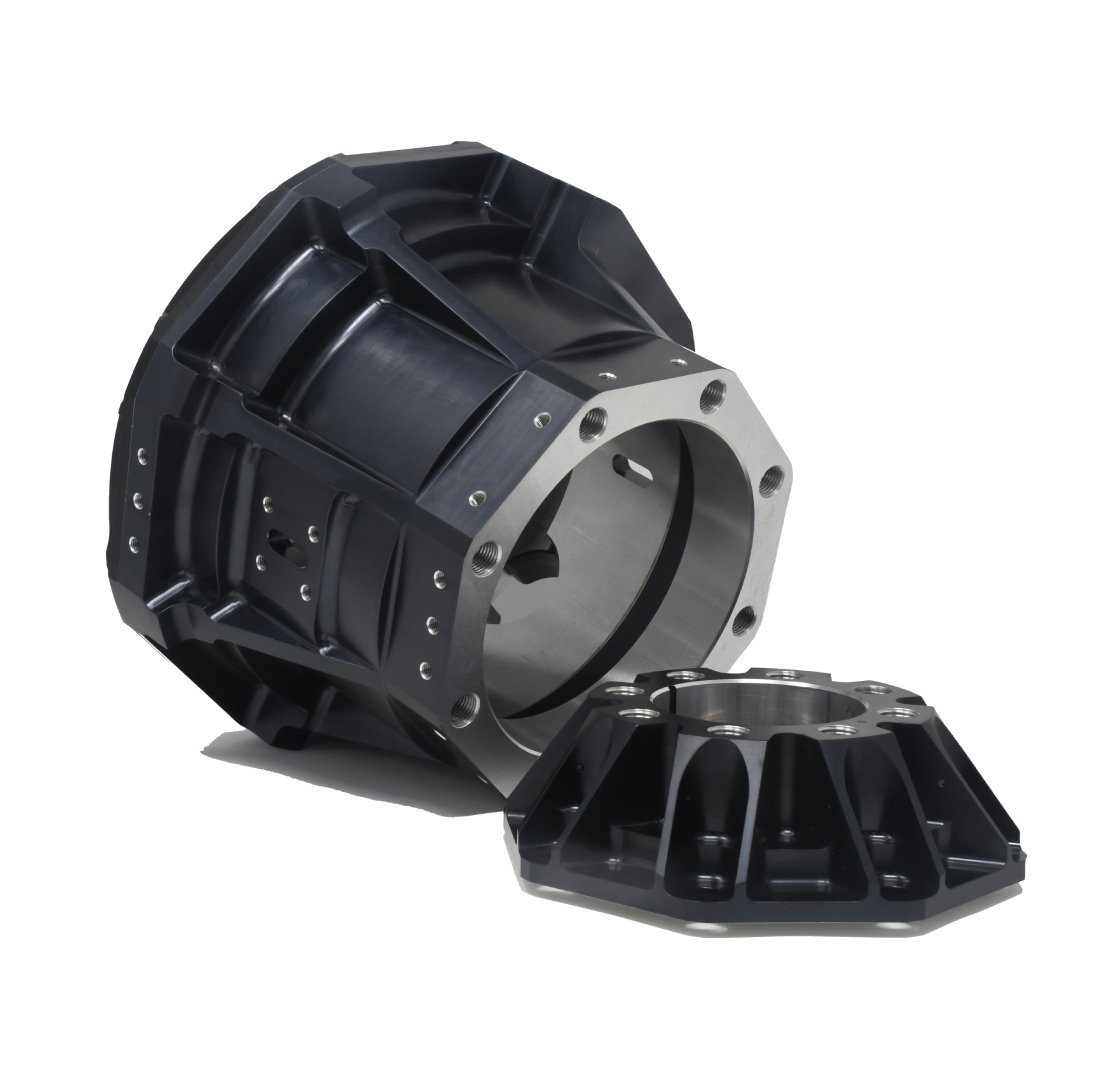
The product range behind those programmes is broad: high-reliability transformers, solenoids, motors, actuators, cable harnesses, mechanical parts and full systems integration, all built for aerospace, defence and specialty industrial applications.
More Read

A motor for the space age
September 2026 brought another milestone: the commercial delivery of Hical’s first indigenously developed coreless brushless DC (BLDC) motor for space applications. Developed, qualified and manufactured entirely in India, the motor is designed for the reaction wheels and momentum wheels that keep satellites pointed precisely while they orbit — the quiet, exact motion control that communication, Earth-observation, scientific and defence payloads all depend on.
The motor uses a zero-cogging architecture for smoother, more precise rotation, with rapid acceleration and deceleration, low torque ripple, reduced vibration and quiet operation. The company says the platform can be configured in different sizes and performance ratings for spacecraft from low Earth orbit and geostationary platforms to deep-space and interplanetary missions — and that it is already seeing interest from Indian and international satellite manufacturers. The development was carried out by a multidisciplinary team of eight engineers, manufacturing specialists, quality professionals and technicians, working across design, engineering, testing, qualification and space-grade manufacturing.
Hical rarely makes headlines. Its work sits inside other companies’ aircraft, rockets and satellites, judged by tolerances, traceability and tests rather than applause. But with a new plant in Devanahalli, a larger one rising in Hosur, a Rafale joint venture in exploration and a space-grade motor already delivered, the Bengaluru manufacturer is moving from trusted supplier to a company building the systems themselves — proof that some of India’s most advanced aerospace engineering is already flying, quietly, under a name worth knowing.
Keep reading: Seeing Through Clouds, Darkness and Leaves: Inside Sisir Radar, the Kolkata Startup Building India’s First Private L-Band SAR Satellite · 78 Minutes at 14,000 Feet: Inside Zenith Unmanned Systems, the Startup Giving the Army Eyes Over the Himalayas · More Aerospace & Defense stories
Like stories like this? Add Exceptional Technology as a preferred source on Google to see more of our reporting in your search results and Discover feed.