


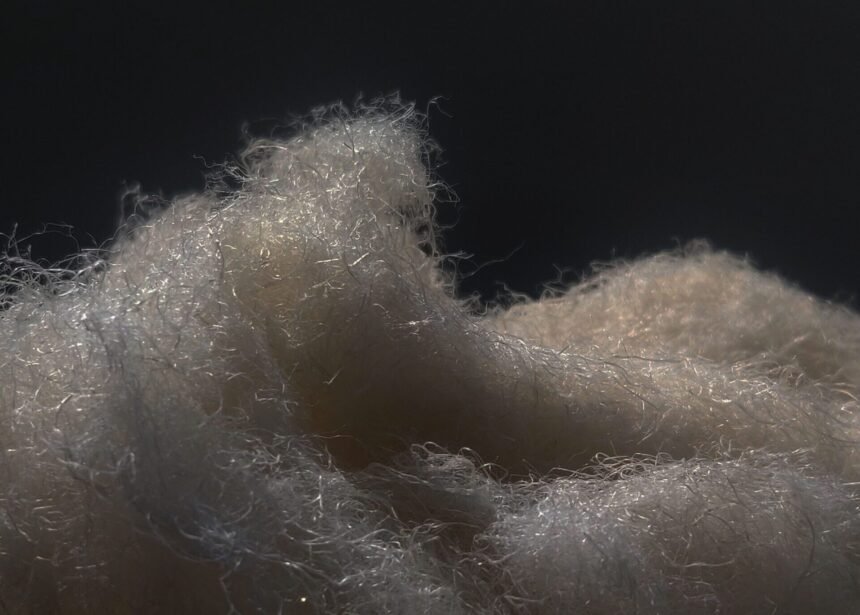
Every harvest leaves behind a mountain of stems, stalks and leaves that nobody quite knows what to do with. Much of it is burned in the field, and the smoke hangs over whole regions for weeks. An Ahmedabad company looked at that same mountain and saw something else entirely: the raw material for a brand-new natural fibre, one that could take the place of cotton in the clothes we wear every day.
AltMat, founded in Ahmedabad in 2019 by Shikha Shah, builds technology, infrastructure and an ecosystem for turning agricultural waste into next-generation materials. Its flagship innovation is Altag, a natural cellulose fibre made entirely from agricultural residue — the leftover stems of food, medicinal and non-textile crops. The company says the fibre matches the performance of conventional fibres while dramatically reducing environmental impact, and it is now moving from pilots into mainstream production with some of India’s biggest textile mills.
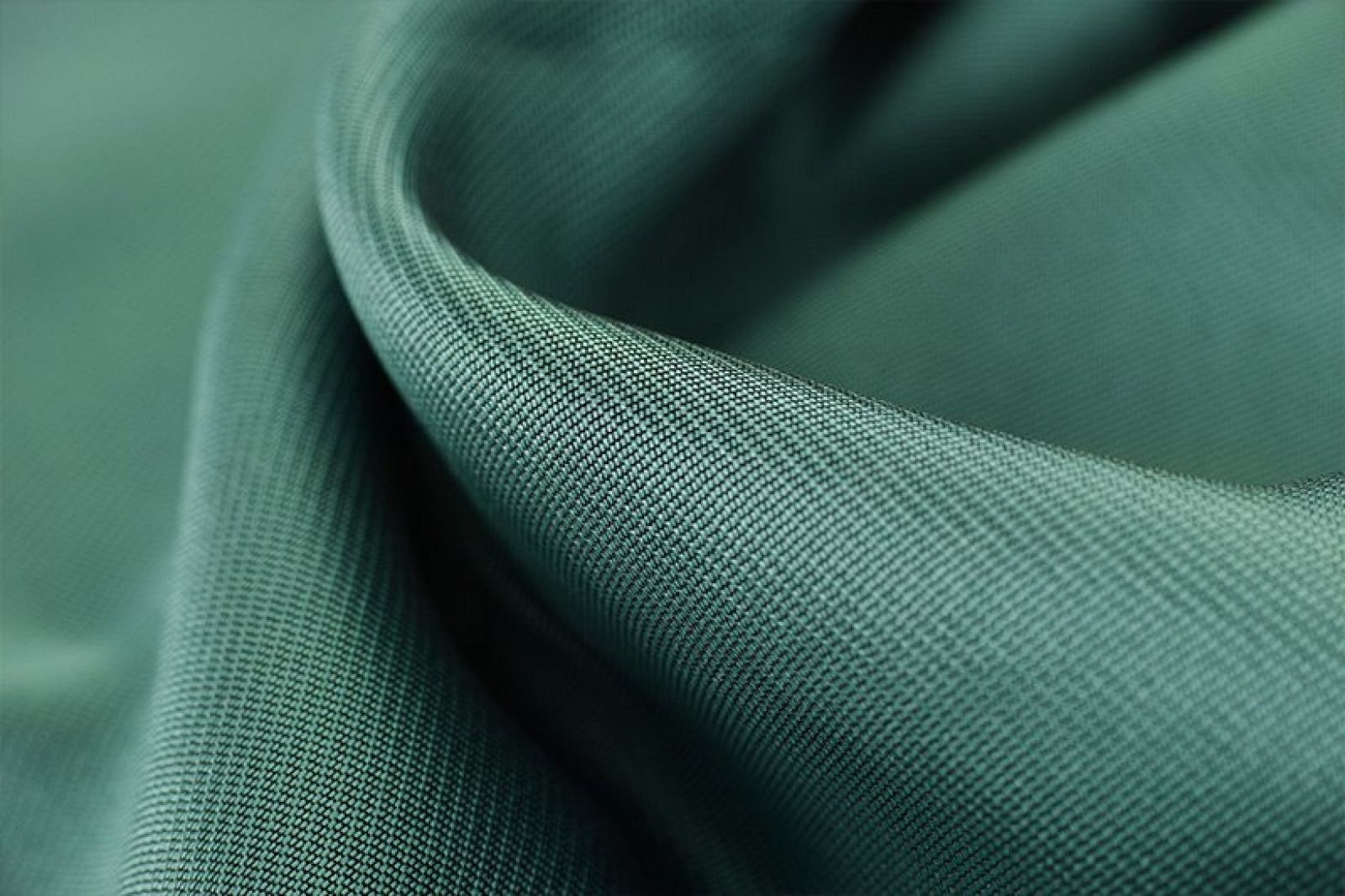
Fabric woven from AltMat’s Altag fibre.
From field waste to a fibre that feels like cotton
AltMat’s process starts where the harvest ends. The company buys agricultural residue from farms in the region and runs it through a combination of mechanical, benign chemical and microbial processing that teases the fibrous parts of the waste back into usable natural fibre, retaining the fibre’s natural structure. The result, the company says, feels closer to cotton or linen than to a synthetic — a crucial detail, because a sustainable fibre only matters if people actually want to wear it.
The feedstock list reads like a tour of India’s farms. AltMat works with waste from plants including hemp, pineapple, kenaf, nettle and banana, and the team studied around 30 crops before settling on its feedstocks. The fibre is then spun into Alt Yarns, which blend AltMat’s natural fibres with materials like cotton, modal, lyocell or recycled polyester, so mills can adopt it without rebuilding their lines. Beyond fashion, the company says Altag is versatile enough for paper and interiors as well, and its factory by-products go into sustainable paper and packaging.
More Read

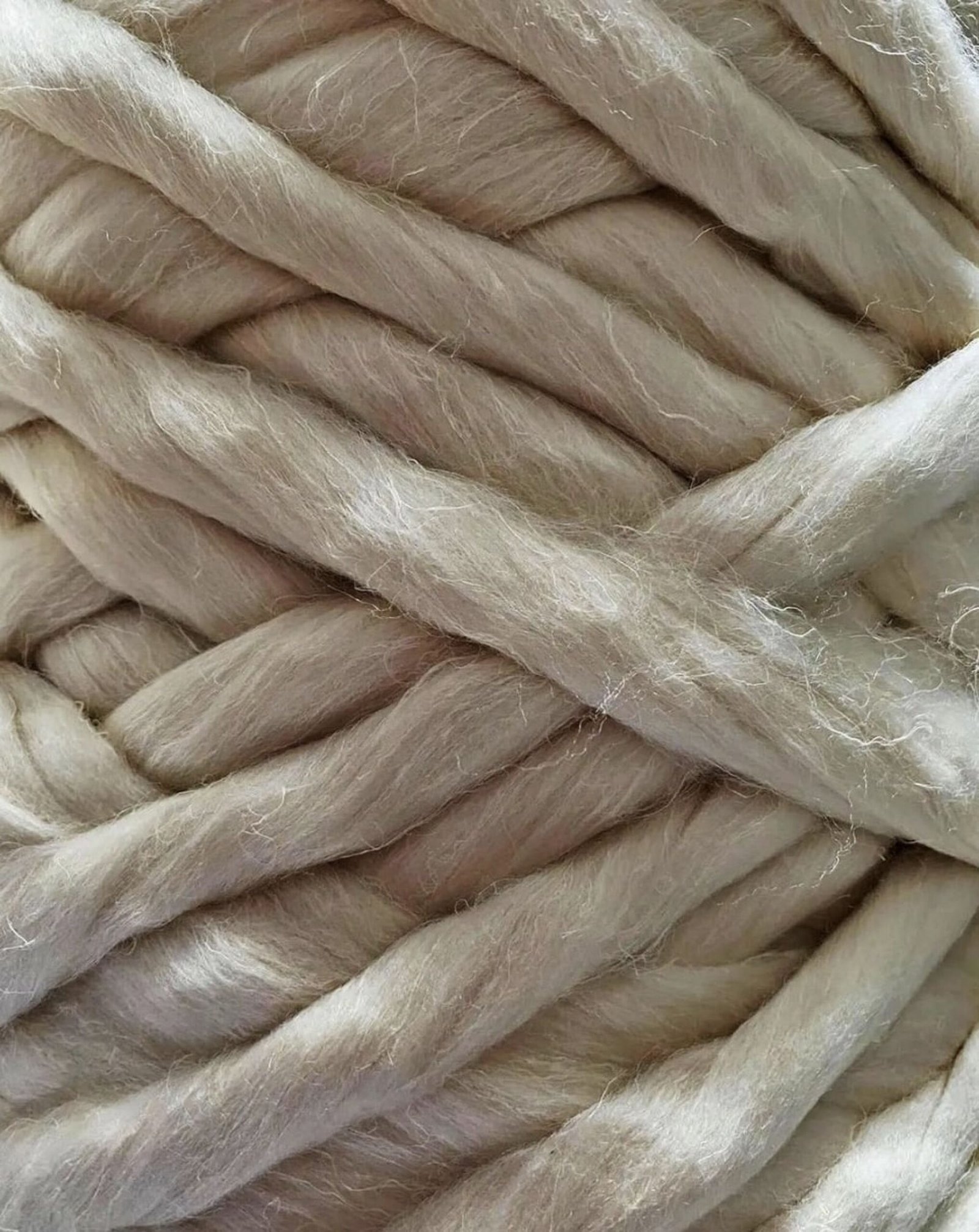
AltMat’s Altag yarn, spun from crop-residue fibre.
Proven on the mill floor, not just in the lab
What sets AltMat apart from many materials startups is how far down the industrial road it has already travelled. The company opened its first industrial-scale production facility in 2021, and says it scaled its technology from lab trials to pilot to industrial capacity within five years. Its fibre production, the company says, uses zero hazardous chemicals, with more than 90 per cent water savings, 50 per cent less carbon footprint and more than 80 per cent less energy consumption than conventional fibre production, and the fibre itself is recyclable and biodegradable.
India’s largest garment exporter, Shahi Exports, met AltMat at an innovation showcase in September 2021 and has been putting Altag through its paces ever since. The two companies ran four woven pilots over two years, testing different structures, compositions, counts and designs, and produced a synchronised swatch book of more than 10 woven Altag fabrics across four collections. Shahi says it will be the first manufacturer globally to scale Altag, and it has also completed two knitted-fabric pilots — the first supplier in India to pilot Altag for knits. The two companies have signed a Value Chain Agreement, giving Shahi priority access to Altag yarns as it co-develops fabrics with global brand partners.
An entire supply chain, pulling in the same direction
The hardest problem for a new fibre is rarely the chemistry — it is getting an entire fragmented industry to adopt it at once. That is the gap AltMat and Fashion for Good set out to close with the Altag Fibre Club, launched in June 2025. The consortium brings together mills and manufacturers including Arvind, Alok, Bhaskar Denim, Jindal Textiles, Sutlej Textiles, Sambandam Spinning Mills and Shahi Exports, alongside brands that pool resources and commit to minimum order quantities, sharing the risk that usually strands a new material in the pilot stage.
The club debuted at the Future Fabric Expo in London in June 2025, and the momentum behind it kept building. In October 2025, AltMat closed a strategic funding round with H&M Group — the group’s first investment in an Indian next-generation material innovator — alongside Rainmatter by Zerodha, Turbostart and Fashion for Good, to expand grassroots supply chains for Indian farmers, strengthen research and extend its global reach. And on 29 October 2026, AltMat was shortlisted among just 16 startups from 980 applicants in Hyundai Motor India’s first Innovation Challenge, a fresh sign that India’s mobility and manufacturing giants are watching what this Ahmedabad materials company is building.
For the farmer, the pitch is simple: residue that was once burned becomes income. For the fashion industry, it is a natural fibre that does not need new farmland, new irrigation or a new factory playbook. And for India, it is a quiet materials revolution starting not in a petrochemical plant, but in the fields after harvest — where waste is becoming the wardrobe of tomorrow.
Keep reading: A Molecule a Decade in the Making: Inside Pioxaniliprole, India’s First Home-Grown Insecticide · Sixty Seconds to Stop the Bleeding: Inside Miraqules’ StopBleed, the Powder That Just Won the World · More Chemicals, Materials & Life Sciences stories
Like stories like this? Add Exceptional Technology as a preferred source on Google to see more of our reporting in your search results and Discover feed.







