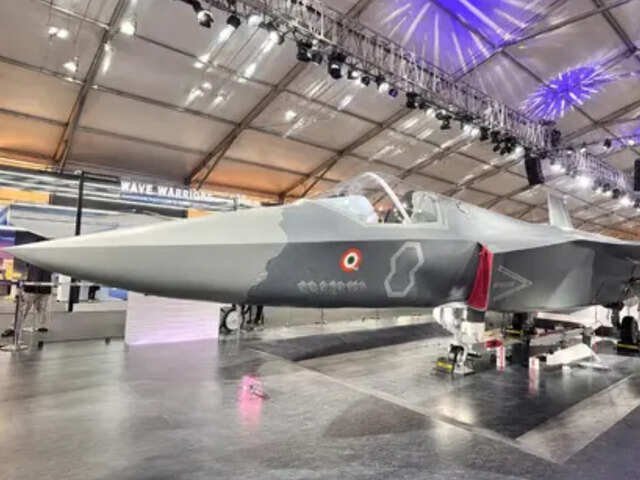
On 14 August 2026, two of the biggest names in industry announced they want to give India something it has never had: a home-grown fighter-jet engine. Reliance Industries and Rolls-Royce declared their “strategic intent to partner” on the design, development, manufacture and delivery of an indigenous combat engine for the Advanced Medium Combat Aircraft (AMCA) — India’s fifth-generation fighter programme. It is among the most consequential industrial announcements in Indian defence this decade. It is also, crucially, not a done deal. Understanding the difference matters.
What was actually announced
The joint statement, issued simultaneously from London and Mumbai, is precise in its language: “strategic intent to partner and offer capabilities.” The two companies will explore forming a dedicated Aerospace Gas Turbine Complex in India — a centre of excellence spanning design, development, manufacturing, testing, production and through-life support, with the AMCA engine as its anchor programme. Anant Ambani, Executive Director of Reliance Industries, framed it as strategic autonomy: combining Rolls-Royce’s propulsion expertise with Reliance’s manufacturing scale to build, in his words, “an enduring national capability.”
The intent is real, and the momentum behind it is visible. In October 2026, Rolls-Royce held its global board meeting in India for the first time, and CEO Tufan Erginbilgiç met Prime Minister Narendra Modi to discuss the company’s long-term ambitions — explicitly including sovereign aero-engine capability. But “strategic intent” is not a signed joint venture, not a contract, and not a selected bid. It is a positioned offer.
The competition: Safran and the GTRE question
That is because Rolls-Royce is not the only suitor. France’s Safran is competing for the same prize — partnering with DRDO’s Gas Turbine Research Establishment (GTRE) on the AMCA Mk2 engine — and the government’s selection decision is still pending. India’s fighter-engine history counsels humility here: the indigenous Kaveri engine, decades in development, never powered a fighter. Whoever wins will be attempting what is arguably the hardest single engineering challenge in aerospace — a high-thrust, reliable, maintainable combat engine — with the added demand that the knowledge stay in India. LMW’s aerospace pivot shows what that knowledge transfer looks like when it works.
The timeline, corrected
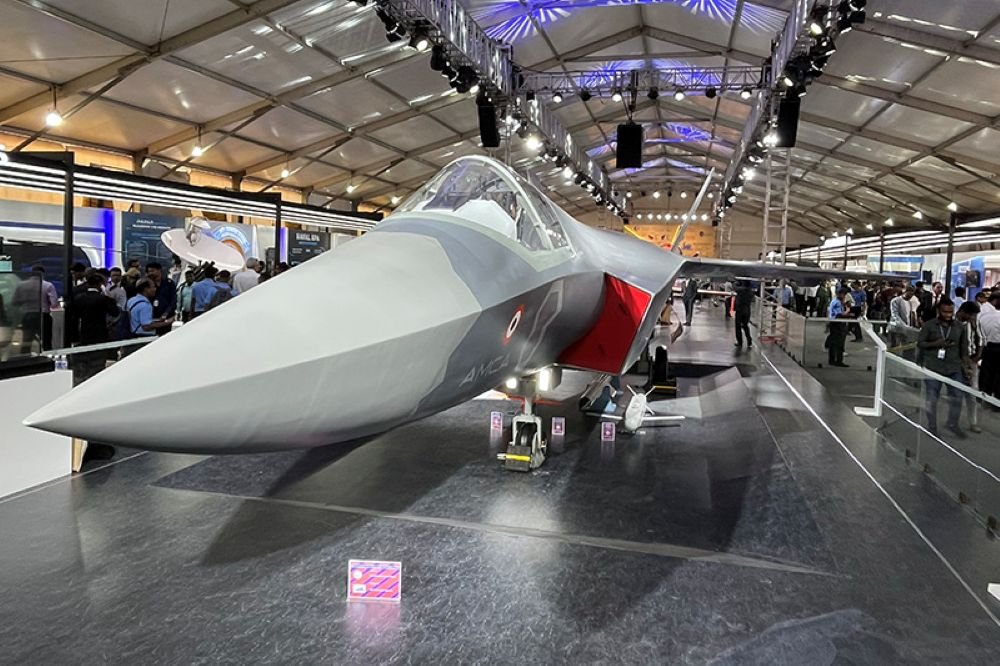
Much of the online commentary gets the timeline wrong, so let’s set it straight. 2035 is the target for the AMCA aircraft’s service induction — not the engine’s serial production. Rolls-Royce’s own proposal, as reported in defence press analysis, targets core engine testing around 2030, first flight around 2034, and serial production in 2036. Conflating the aircraft and engine timelines makes the programme look two years closer than it is. Similarly, figures like “145 kN thrust” and “100% technology transfer” circulate in YouTube commentary but appear in neither company’s official releases — this post doesn’t use them.
Reliance and Rolls-Royce announced strategic intent — not a signed deal — to build India’s first indigenous fighter-jet engine, with serial production targeted for 2036.
Why this matters beyond the engine
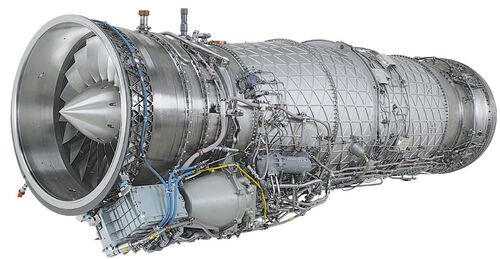
A fighter engine is not just a product; it’s an ecosystem. The proposed Gas Turbine Complex would cover the full lifecycle — design, materials, manufacturing, testing, maintenance — creating the “factory of knowledge” India has lacked. Reliance brings what it does best: capital, project execution and industrial scale. Rolls-Royce brings a century of engine-making, from the Merlin to the EJ200 that powers the Eurofighter Typhoon. If the partnership is selected and delivers, India joins a club of perhaps four nations that can design and build their own combat engines — the same sovereignty logic driving Sagar Defence’s indigenous naval systems.
Key takeaway
The Reliance–Rolls-Royce announcement is best read as an opening bid, not a finish line. The intent is serious, the industrial logic is sound, and the October board meeting signals commitment. But the engine doesn’t exist, the partner hasn’t been selected, and the hardest engineering is all ahead. Watch the GTRE decision — that’s when this story gets real.
Have Reliance and Rolls-Royce signed a deal to build the AMCA engine?
No. On 14 August 2026 they announced “strategic intent to partner” — a positioned offer to co-develop the engine, including a proposed Aerospace Gas Turbine Complex. It is not a signed joint venture or a government contract.
Who else is competing for the AMCA engine?
France’s Safran, in partnership with DRDO’s Gas Turbine Research Establishment (GTRE), is the rival bidder for the AMCA Mk2 engine. The government’s selection decision was still pending at the time of writing.
When would the engine be ready?
Per Rolls-Royce’s proposal as reported in defence press: core engine testing around 2030, first flight around 2034, serial production in 2036. Note 2035 is the AMCA aircraft’s induction target, not the engine’s.
Why does India need an indigenous fighter engine?
Every Indian fighter today flies on an imported or licence-built foreign engine — a strategic vulnerability. An indigenous engine would give India design authority, maintenance sovereignty and freedom from export controls, which is why the programme is framed around “strategic autonomy.”
More Read

Sources & further reading
- Rolls-Royce: strategic intent to partner with Reliance on AMCA engine — Official Rolls-Royce press release, 14 Aug 2026
- Reliance Industries announcement (PDF) — RIL’s official release with Anant Ambani’s statement
- Rolls-Royce eyes deeper India partnerships — BusinessLine on the CEO’s October 2026 India visit