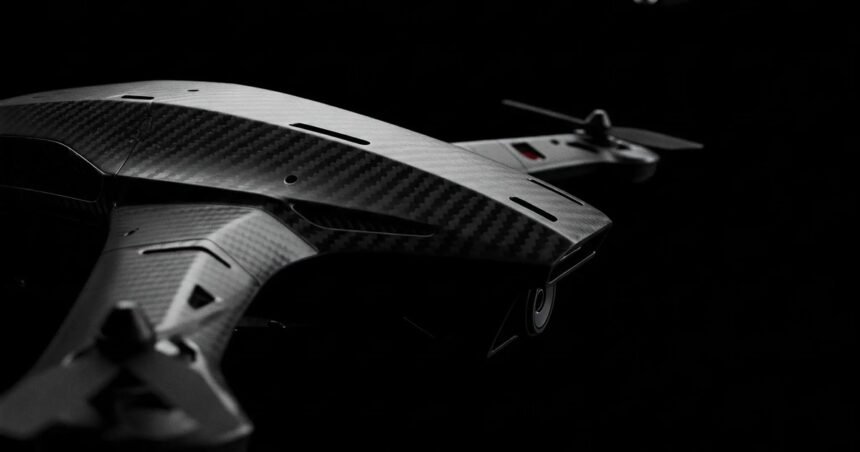
Carbon fibre is the material every ambitious machine wants to be made of. It is stronger than steel at a fraction of the weight, it does not rust, and it shrugs off fatigue that would wear metal out. The trouble has always been making things from it. For decades, carbon-fibre parts were laid up by hand, layer by careful layer, in a slow, skilled, expensive process where a single flaw could scrap a costly component. A Chennai startup decided that process itself was the problem worth solving — and built a robot to do it instead.
Fabheads Automation, founded in 2015 by former ISRO engineers Dhinesh Kanagaraj and Abhijeet Rathore, builds automated machines that print and lay continuous carbon fibre. Incubated at IIT Madras in 2016, the company set out to automate a craft that had resisted automation, and today its machines and components fly on drones, ride on rockets and roll into cars, satellites and robots.
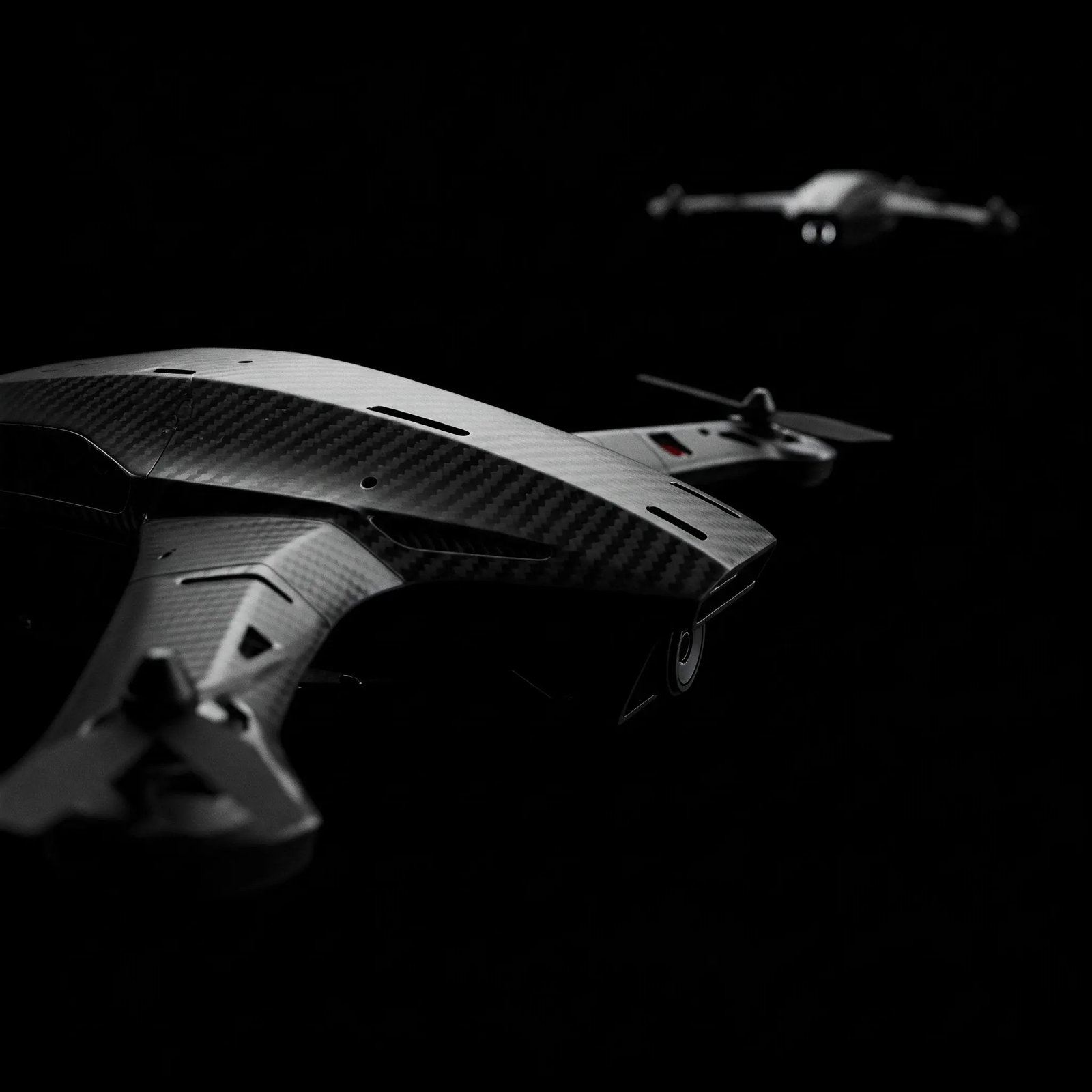 A carbon-fibre drone component, with the woven fibre clearly visible. (Image: Fabheads)
The printer that thinks in fibre
At the heart of Fabheads is the FibrBot, a family of 3D printers built around a patented fibre-placement process. Where an ordinary 3D printer melts plastic into shape, a FibrBot lays continuous fibre — carbon, glass or Kevlar — inside a plastic matrix, steering each tow exactly where strength is needed. The company describes the machines as miniaturised three-axis automated fibre placement systems with the flexibility of 3D printing attached, and that combination is what makes them special: the precision of aerospace layup, with the freedom and speed of additive manufacturing.
The range covers almost every scale a designer might need. The FibrBot 300S and FibrBot 300 build parts up to about 300 mm on a side, the larger machine tuned for high-performance, space- and biomedical-grade materials. The FibrBot 1K stretches to 1,500 mm by 1,000 mm by 700 mm, large enough to print a full drone airframe or a cycle frame in a single piece. Fabheads also offers a hybrid process that places fibre on both the exterior and the interior of a print, giving parts strength in every direction rather than only along the surface.
The payoff, the company says, is dramatic. Automation cuts manufacturing costs by up to 50%, lowers rejection rates by up to 20%, reduces material waste by 20% and accelerates production cycles by up to 30% compared with traditional manual methods. The company has nine patents granted, and its machines are built largely from Indian components — the company says almost 80% of a 3D-printing machine is made of Indian parts.
More Read
From rockets to road cars
That combination of lightness and strength is exactly what India’s new hardware companies need, and Fabheads’ customer list reads like a tour of the country’s most exciting workshops. Its parts have gone to rocket maker Agnikul, air-taxi pioneer The ePlane Company and hyperloop teams, alongside drone, satellite, automotive and robotics builders. The company serves aerospace, mobility, marine, robotics and sports customers, and its end-to-end service runs from design and analysis through tooling, prototyping and production.
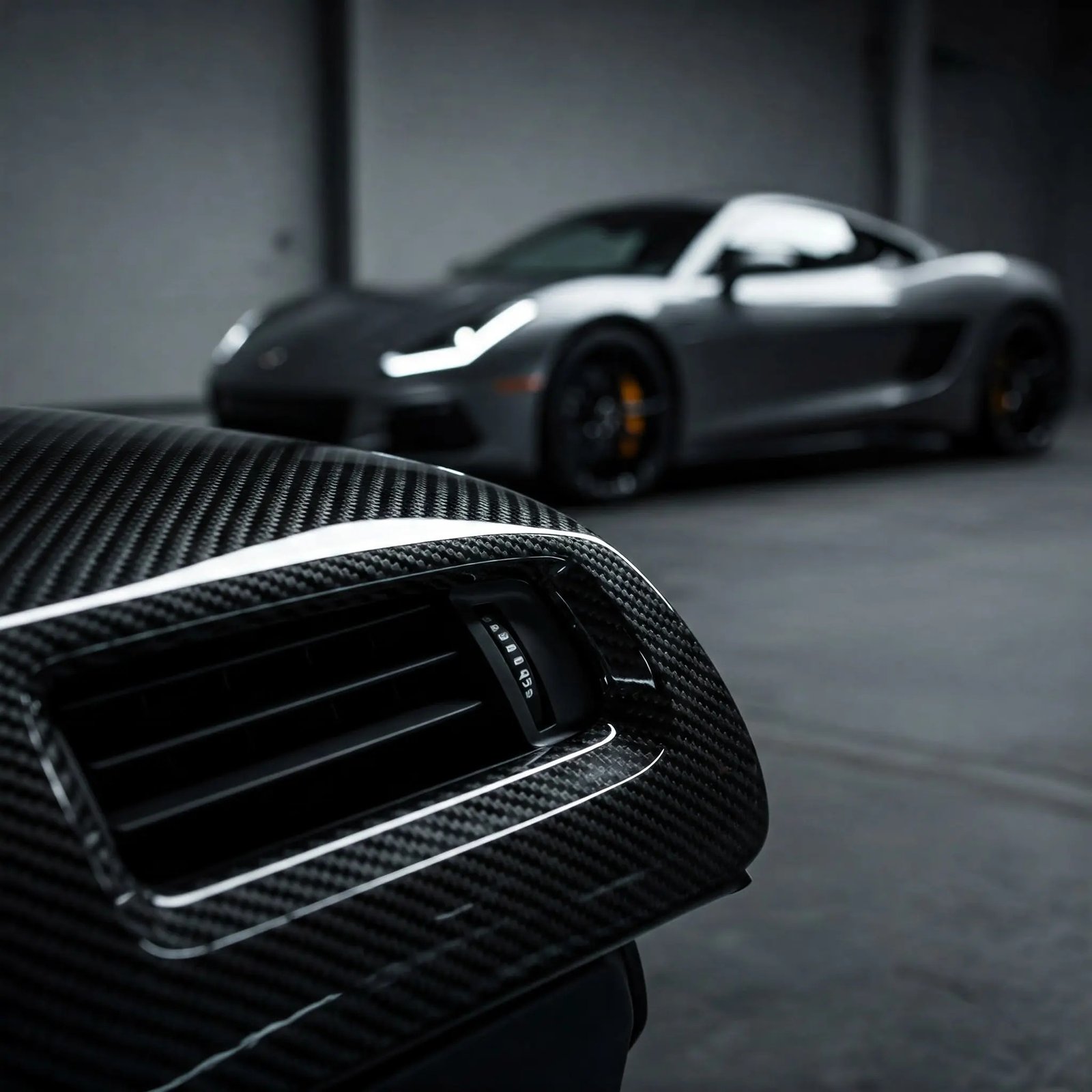 Carbon fibre in mobility: lighter parts, fewer rejections, faster production. (Image: Fabheads)
The technology has also come home to its birthplace. IIT Madras has set up an additive manufacturing laboratory equipped with more than 25 FabMachines printers from Fabheads, paired with the company’s C6 slicing software, giving students hands-on access to the same continuous-fibre printing used by industry. It is a neat full circle for a company incubated at the institute: the lab that helped Fabheads test its first prototypes now teaches the next generation on its machines.
A bigger stage for Indian composites
Fabheads’ momentum has drawn serious backing. The company raised $10 million in a Series A round led by Accel, with participation from Trifecta Capital, taking its total funding to $13 million. The company announced a new manufacturing facility in Bengaluru’s Aerospace Park, aimed squarely at the aerospace sector and growing international demand. Its work has already earned recognition including CII’s Top Startup in Manufacturing award, an Outstanding Innovation in Composites award and DRDO’s Dare to Dream award.
India’s composites market is growing fast, and the country’s rockets, drones, electric vehicles and satellites will all need lighter, stronger parts in ever greater numbers. Fabheads is building the machines that make those parts — not by importing a process from elsewhere, but by inventing an automated one at home, in Chennai, from first principles. Carbon fibre used to be a luxury material, reserved for the most expensive machines. Fabheads is turning it into something Indian industry can print, at scale, on demand — and that changes what Indian engineers can dare to build next.
Keep reading: From Prototype to Production: Inside Venttup, the Bengaluru Startup Turning India’s MSME Workshops Into a Precision-Manufacturing Network · Oil-Free, Disrupted Again: Inside ELGi’s Evolved AB Series, the Coimbatore Compressor Chasing a Better Planet · More Manufacturing & Engineering stories
Like stories like this? Add Exceptional Technology as a preferred source on Google to see more of our reporting in your search results and Discover feed.