India’s petrol now comes with a fifth of a litre of ethanol in every litre — and almost all of that ethanol is brewed from sugarcane, grain or farm residue. That leaves the country’s fuel supply locked in a decades-old argument: every tonne of cane that goes into a fuel tank is a tonne that doesn’t reach a plate. This month, a startup from Gujarat said it has a way out of the argument altogether. Its feedstock is the stuff swept off the barber’s floor.
The company is Techofest Global, and its announcement — released on 18 October — describes a patented, indigenous technology for producing bioethanol from waste human hair. The company calls it fifth-generation, or 5G, bioethanol: not cellulosic, not sugar-based, and built, the company says, to sidestep the food-versus-fuel fight entirely.
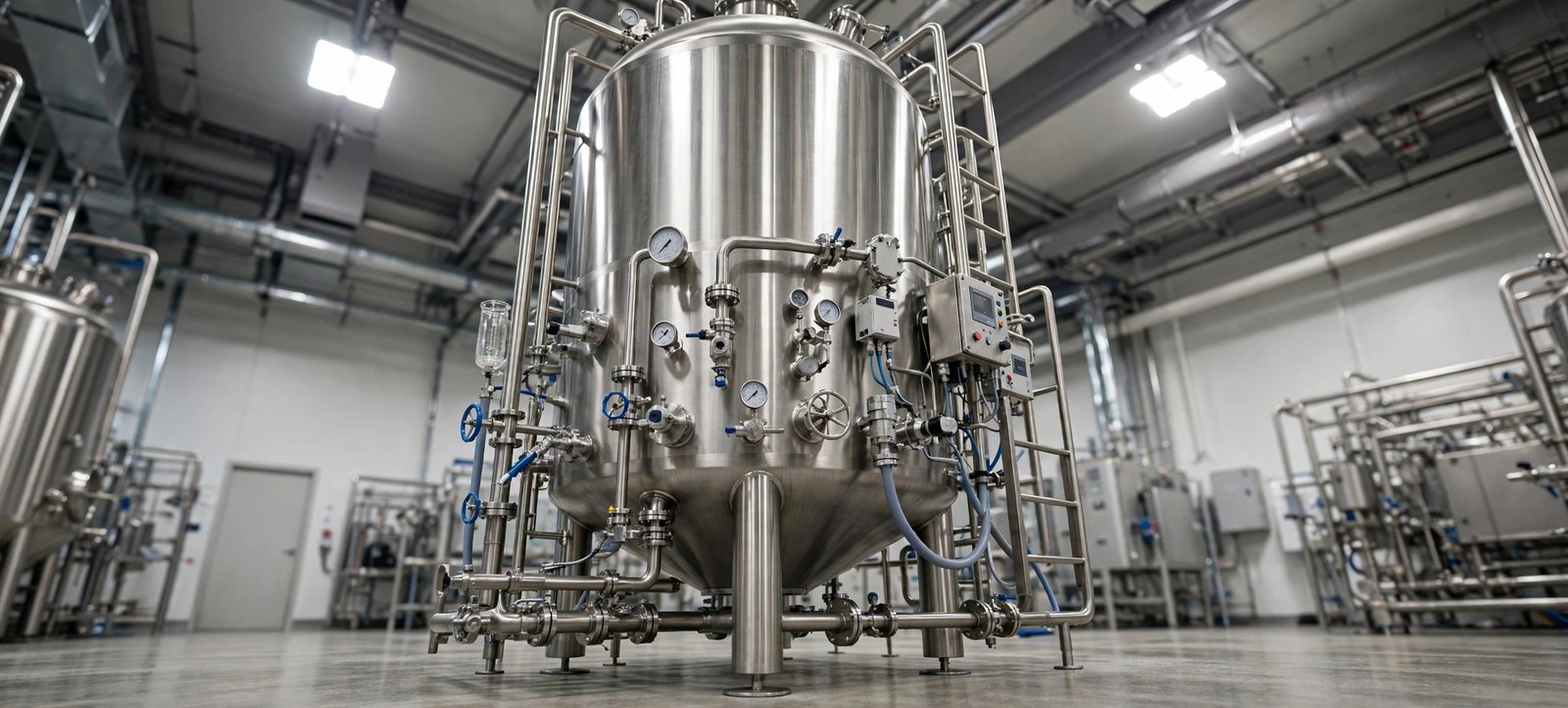
The technology was developed and tested at the R&D joint venture between Techofest Global and Biomakerz of Chennai, in what the company describes as a roughly 100-litre pilot facility. The release lists three processes proven there: 5G ethanol production from human hair, 5G ethanol from used cooking oil (UCO), and enriched bio-methane from disposed sanitary napkins — an unusual feedstock line-up aimed at municipal and industrial waste streams rather than crops.
The hair-to-ethanol step uses the company’s proprietary “5G SAFE” process: a single-stage saccharification followed by fermentation, with what the company reports as 85–90% biocatalyst recovery. The company positions this against second-generation ethanol, which it argues faces a commercialisation bottleneck — heavy capital and operating costs, competition with food and livestock fodder, cost-intensive pre-treatment, and cellulolytic enzyme cocktails with poor recycle efficiency. The bio-methane side uses a proprietary “SIM” process that the company says runs about twice as fast, with improved intermittent feeding cycles and continuous gas harvest. These are the company’s figures; there is no independent editorial verification of the yields yet.
The technical portfolio of the joint venture is credited to two biochemical engineers: Dr. Navnit, the former CTO of Biomakerz, and Dr. Kabilan, its former CEO, who the company says have worked on biorefinery process intensification for more than a decade — including roles with international biofuel organisations and Indian oil companies’ R&D. Founder-CEO Dr. Ravi, the company says, brings over three decades of experience designing equipment for international fusion programmes, including ITER, JET/UKAEA and SST-1, to the startup’s scale-up and commercialisation. Ms. Bhumika, the co-founder and corporate advisor, says the processes are in ongoing pre-commercialisation trials and will “soon be commercialised.” The startup’s principal technology advisors include Dr VS Tripathi, former Joint Director of DRDE Gwalior; Dr B S Munjal, former Director of the Structures and Thermal group at SAC/ISRO; and Dr AV Santhanababu, former Scientist at the Satish Dhawan Space Centre.
The timing matters. India has already rolled out 20% ethanol blending nationwide, and higher blends are on the table — which means demand for ethanol feedstock is only growing, along with the pressure on cane and grain prices. A fuel that is brewed from salon waste, fryer oil and sanitary waste competes with neither food nor farmland. Whether the chemistry can scale from a 100-litre pilot to commercial biorefineries is still unproven, and the patent claims have not been independently verified — the company’s announcement is the only source so far. But the framing itself is what makes Techofest worth watching: an ethanol industry that runs on the country’s waste streams instead of its harvests.