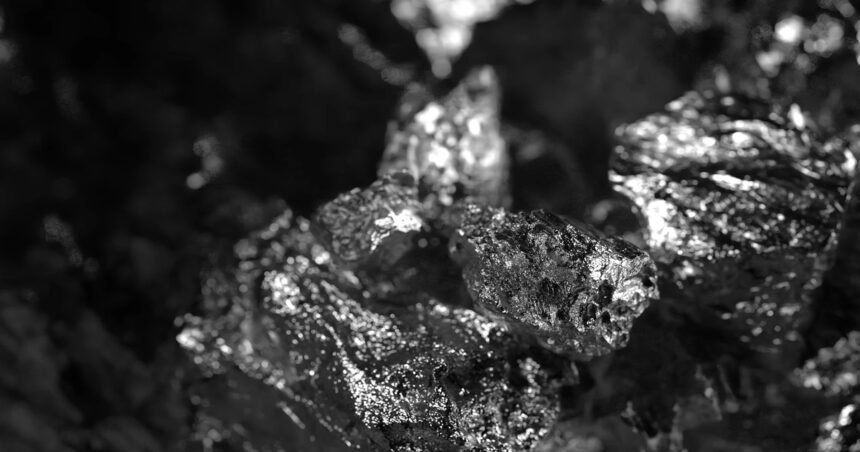
Almost every battery in India today runs on lithium — a metal the country imports nearly in full. In Noida, a startup called VoltAsun Technologies is betting the future of Indian energy storage on something far more ordinary: sodium, one of the most abundant elements on Earth.
VoltAsun Technologies Pvt. Ltd. is a materials-to-cells startup building a 100% Made-in-India sodium-ion battery ecosystem. The company manufactures battery active materials — cathodes, anodes and electrolytes — and builds cells in cylindrical, prismatic and pouch formats, with testing, validation and custom development alongside. Its first focus is stationary energy storage, the big batteries that store solar and wind power and back up homes and businesses, with mobility and grid applications to follow.
The lab behind the cells
The cells at the centre of the story come from a government laboratory. The International Advanced Research Centre for Powder Metallurgy and New Materials (ARCI), an autonomous research and development centre under the Department of Science and Technology (DST), developed a Sodium Vanadium Phosphate (NVP) cathode powder and used it to fabricate sodium-ion pouch cells under the ANRF-supported MAHA EV project. The cells have been validated at laboratory scale, the company says, with testing under field conditions now in progress.
From lab bench to factory floor
Turning a laboratory cell into a commercial product is exactly where VoltAsun Technologies comes in. In December 2025, ARCI signed a memorandum of understanding with the startup for the industrial performance validation of its sodium-ion pouch cells. Under the agreement, ARCI supplies 80 pouch cells of 5 Ah capacity for evaluation, and VoltAsun Technologies puts them through their paces and feeds the results back — a second phase will supply two further batches of 80 cells each. The agreement was exchanged between Dr R. Vijay, Director of ARCI, and Uttam Kumar Shah, Director of VoltAsun Technologies.
Why sodium-ion matters
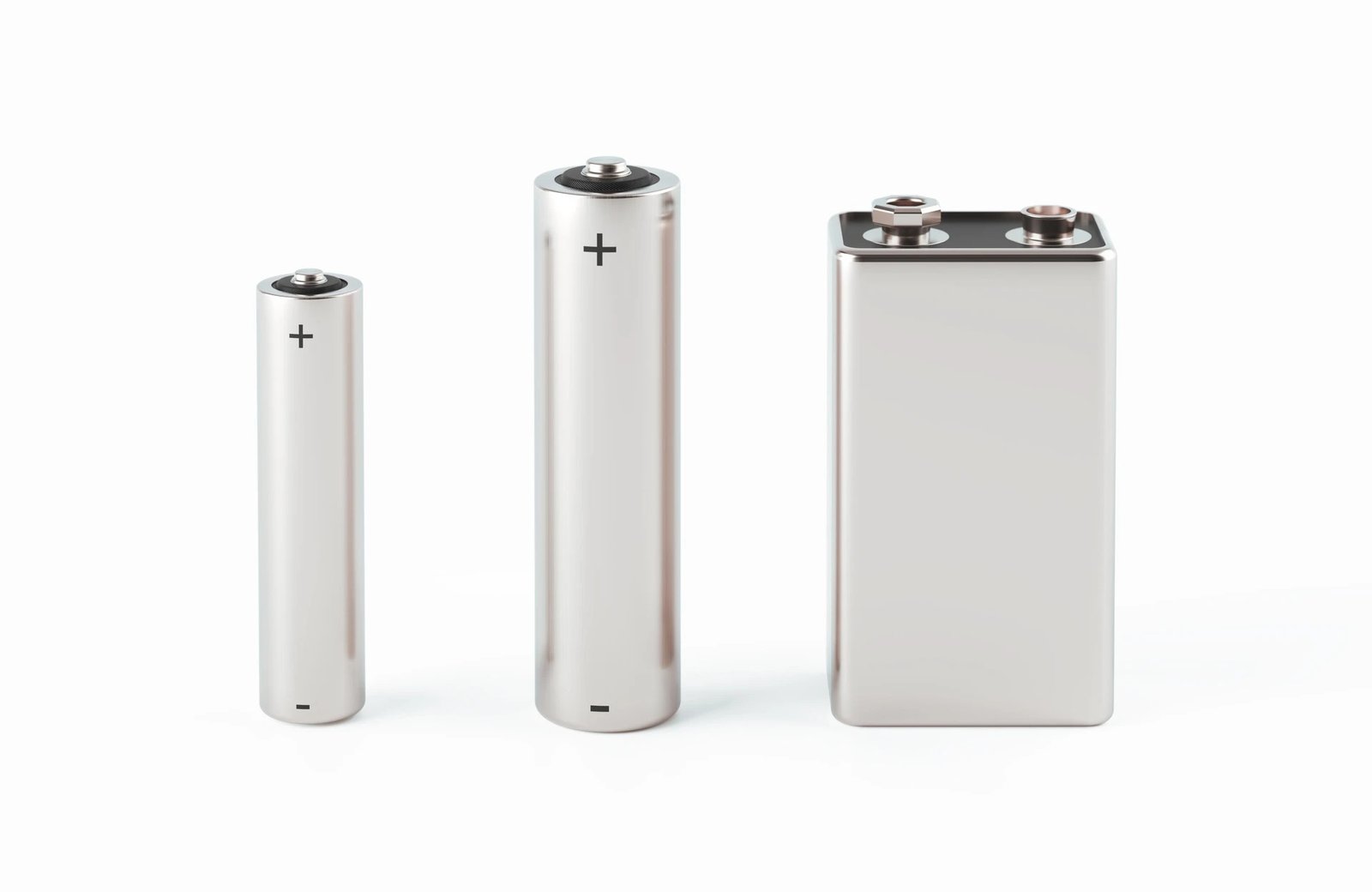
Sodium-ion batteries are a safer and lower-cost alternative to the lithium-ion batteries used in phones, electric vehicles and renewable energy storage today, according to the Department of Science and Technology. Sodium is earth-abundant and locally available, so a sodium-ion supply chain built in India does not depend on imported lithium, cobalt or nickel. For stationary storage — where weight matters far less than cost, safety and lifespan — that trade is a natural fit, and it is where VoltAsun Technologies is starting.
The startup brings its established industrial customer network to the partnership, giving the technology a route into real stationary storage applications rather than a laboratory shelf. Its mission, the company says, is to become a global leader in sustainable energy storage by using earth-abundant, locally sourced materials to deliver safe, affordable and high-performance batteries — and to accelerate the production and global adoption of sodium-ion technology, driving India’s energy independence with a 100% Made-in-India solution. The cells are being validated now. The market is next.
More Read
Keep reading: From Crop Stubble to Clean Power: Inside IndiEnergy’s Farm-Waste Sodium-Ion Batteries · Blades That Come Back: Inside Suzlon and Grasim’s Recyclable Wind Turbine · More Energy & Power stories
Like stories like this? Add Exceptional Technology as a preferred source on Google to see more of our reporting in your search results and Discover feed.