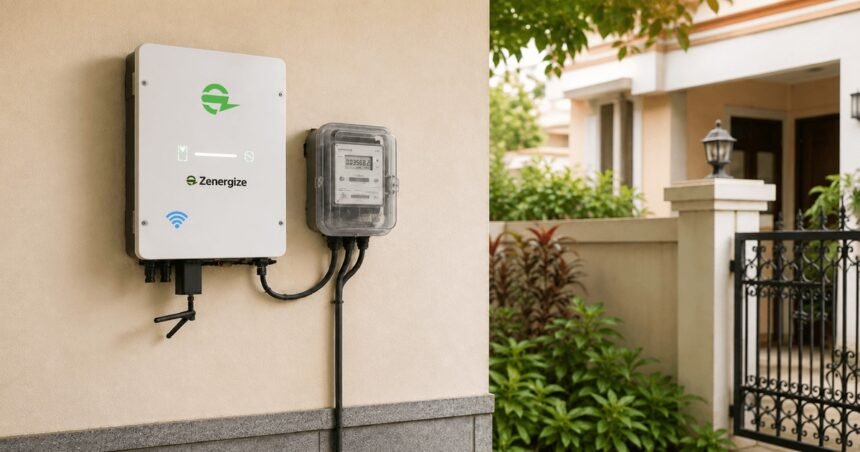
Every rooftop solar panel and every fast EV charger has a quiet middleman: a box of power electronics that decides how much of the energy generated actually becomes usable electricity. Get that box wrong and watts leak away as heat; get it right and the same panels and the same chargers simply deliver more. A Gurugram-based company has spent years perfecting that box for Indian conditions, and its inverters and chargers are now running in thousands of homes and at hundreds of charging stations across the country.
The company is Zenergize Technologies, founded by Navneet Daga and Dr Veer Karan Goyal. The team designs and manufactures its products in India, at its facility in Parwanoo, Himachal Pradesh, building the hardware, firmware, embedded software and digital control systems in-house around one shared power-electronics platform.
Why silicon carbide changes the maths
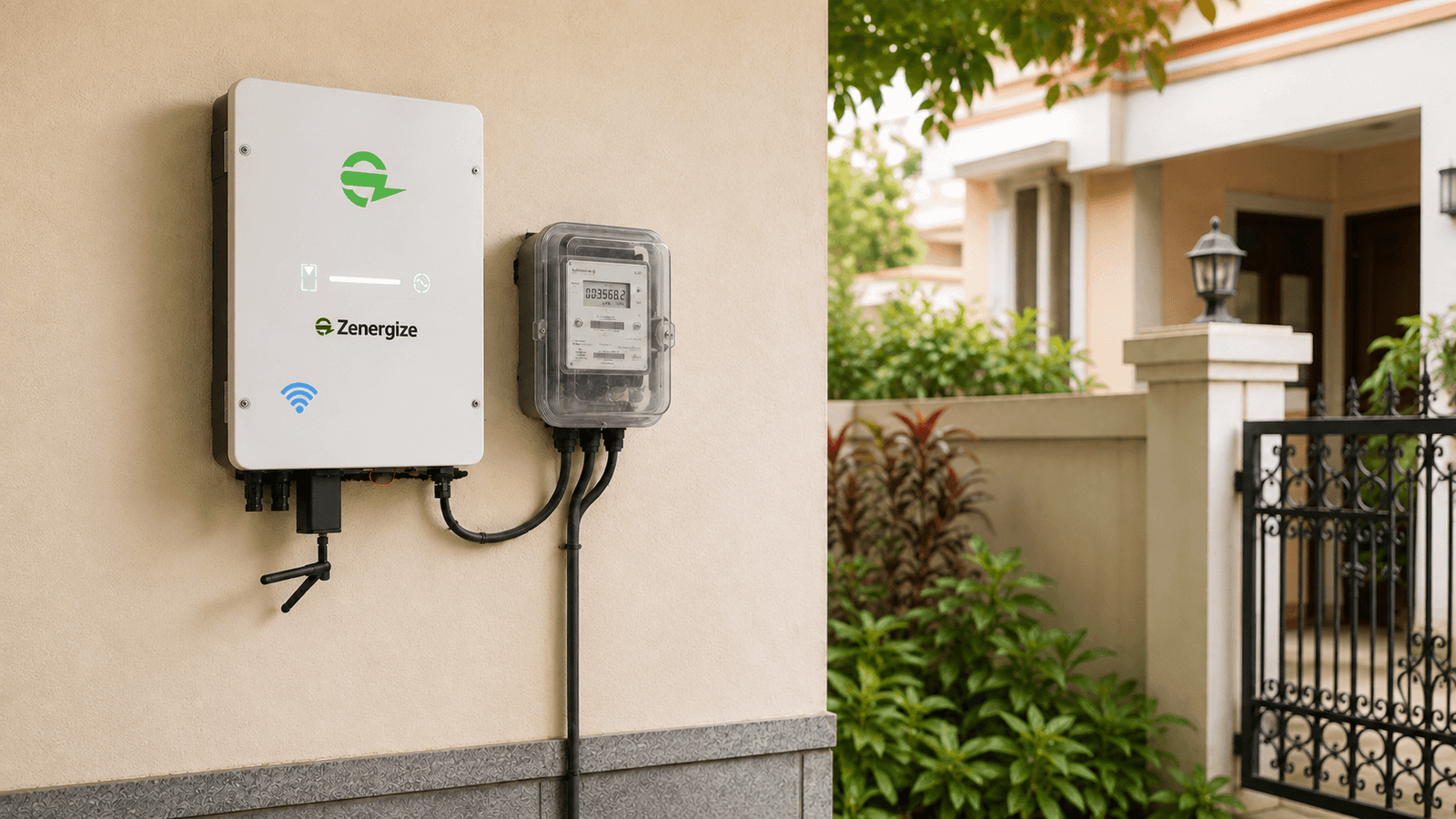
Zenergize builds its products around silicon carbide (SiC), a wide-bandgap semiconductor material that switches faster and wastes less energy as heat than conventional silicon. In practice, the company says, that means higher conversion efficiency, better thermal performance and smaller, lighter hardware — advantages that matter most exactly where Indian installations live: on hot rooftops, on fluctuating grids and in dusty, humid air.
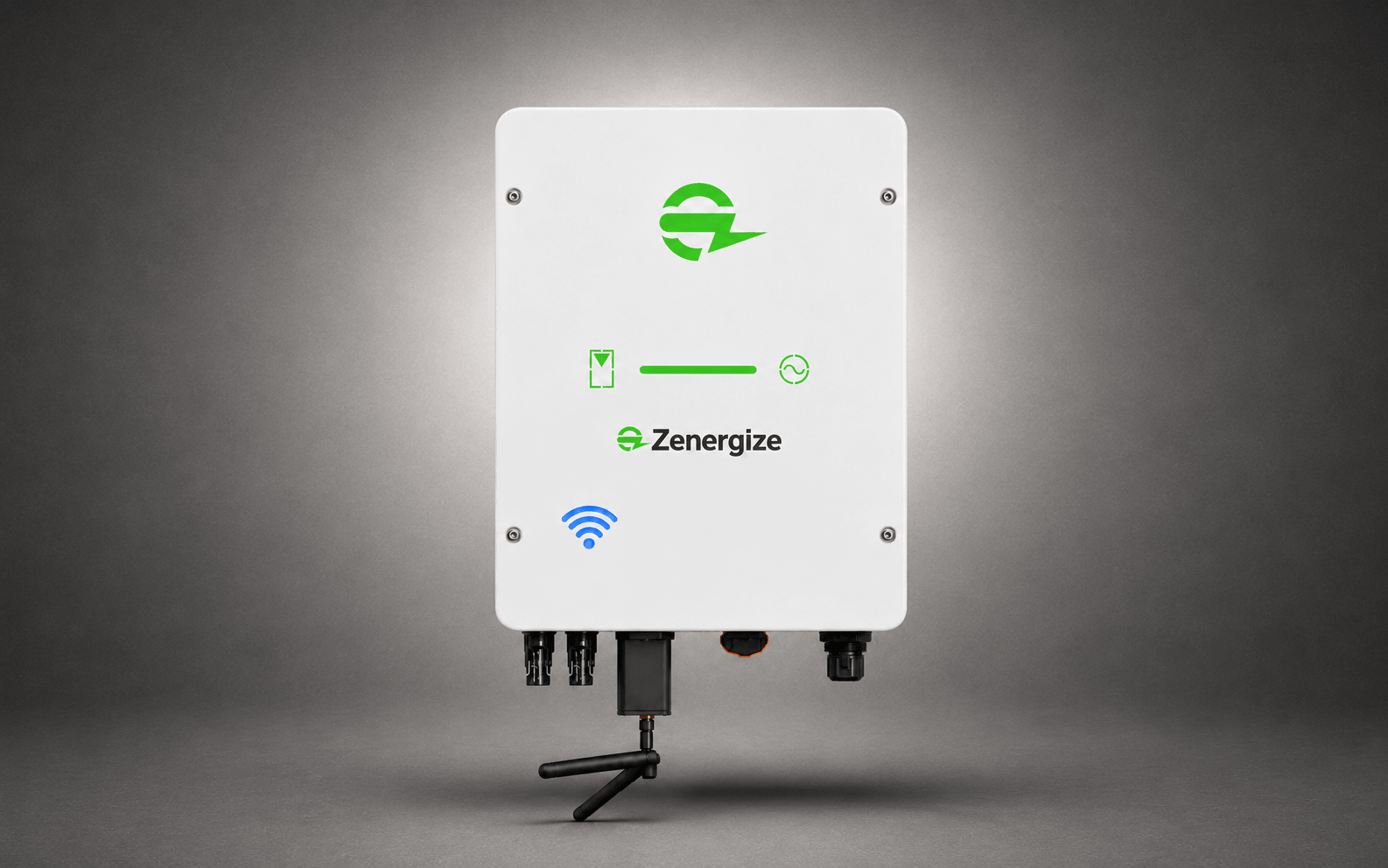
Its solar inverter range spans 2.2 kW to 15 kW, in single-phase and three-phase models, and carries BIS certification. The newest member of the family, a 15 kW three-phase grid-tied inverter launched in September 2026, is aimed at larger homes, villas, institutions and small commercial establishments as rooftop systems grow beyond the traditional 2–5 kW residential size. The company says the new inverter accepts up to 20 kWp of photovoltaic input, uses three maximum power point trackers so differently oriented panel strings can each be optimised, and reaches up to 98.5% maximum efficiency with 98.2% conversion efficiency, in an IP65 enclosure rated from −25°C to 55°C. It was unveiled at Infineon’s OktoberTech event in Bengaluru, where Zenergize was also announced as an Infineon partner.
More Read

One platform, two energy revolutions
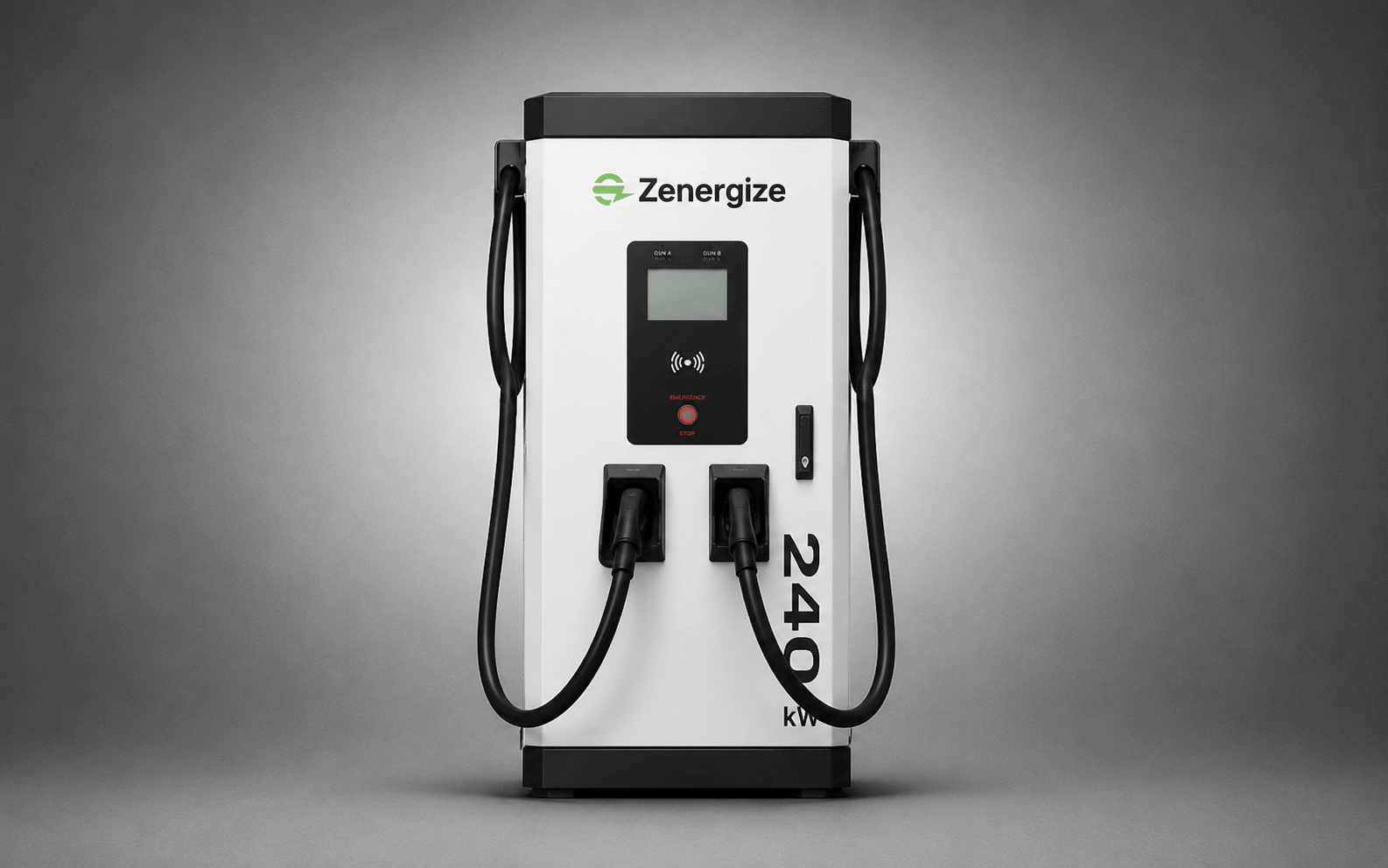
The same SiC platform powers Zenergize’s electric-vehicle charging line. Its AC chargers span 3.3 kW to 22 kW, and its DC fast chargers run from 30 kW to 240 kW with CCS-2 connectors and OCPP-ready communication, carrying automotive certifications. The company says the chargers are engineered to ride through short voltage fluctuations without dropping an active charging session — the kind of grid behaviour that is routine on Indian roads and a real test of charger uptime.
That dual bet — solar on one side, mobility on the other — is deliberate. Both product lines share components, sourcing and engineering, and both serve the same expanding customer base across Tier 1 and Tier 2 cities. Zenergize says its inverters are already deployed under the PM Surya Ghar Muft Bijli Yojana, and its own live data shows more than 5,000 inverters installed and over 200 charging stations live, monitored through its ZenSense smart-energy platform.
From workshop to scale
The commercial numbers tell a story of demand running ahead of supply. The company says it reached an annual revenue run rate of ₹30–40 crore and an order book above ₹150 crore within a year of commercialisation, and that production, not demand, is now the gating factor. Its Parwanoo plant turns out close to 2,000 inverters and 30–40 chargers a month, and the company is doubling that facility while setting up a second plant in the Delhi NCR region, targeting 8,000–10,000 inverters a month plus 70–100 DC chargers a month.
Investors have backed that scale-up: a $2 million seed round was followed in September 2026 by a $4 million pre-Series A led by Giraffe Studios, with participation from industrial entrepreneurs. The company says the capital will expand manufacturing, strengthen engineering and grow its pan-India sales and service network. Hybrid inverters and battery energy storage systems are next on the product roadmap, extending the same platform from generating and delivering power to storing it.
Power electronics rarely makes headlines — it is the unglamorous layer between India’s solar panels, its batteries and its vehicles. Zenergize’s bet is that this layer is precisely where Indian engineering can win: designed for India’s grid, its climate and its operating realities, built in India, and efficient enough to make every unit of clean energy count.
Keep reading: No Heat Escapes: Inside Adiabatic, the Ahmednagar Startup Building the Batteries India’s Robots and Drones Run On · The Building That Breathes: Inside Carbelim’s Living Walls That Eat Carbon · More Energy & Power stories
Like stories like this? Add Exceptional Technology as a preferred source on Google to see more of our reporting in your search results and Discover feed.