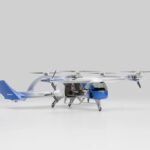
Every drone that holds position in a gust of wind, every robot that knows which way is up, every missile that stays on course when GPS goes dark — behind each of them sits a layer of sensors that determines whether an autonomous machine can accurately perceive its movement and translate commands into stable, predictable motion. Almost all of that sensing hardware in Indian-built machines comes from abroad.
Yaanendriya Private Limited — a Bengaluru deeptech startup founded in 2023 by Vamshi Bharadwaj M V, Vijay H, Vyshak Y and Aravind Thumbur, and incubated at ARTPARK, the AI and robotics research park at IISc — is trying to change that. The company recently raised ₹15 crore from Piper Serica, its first institutional venture round, to scale what the founders describe as India’s indigenous navigation stack for autonomous systems, Deccan Herald reported. Before this, the startup had run on non-dilutive support from the Ministry of Heavy Industries, the Department of Science and Technology, and the Government of Karnataka, Business Standard reported.
The unglamorous layer beneath every drone
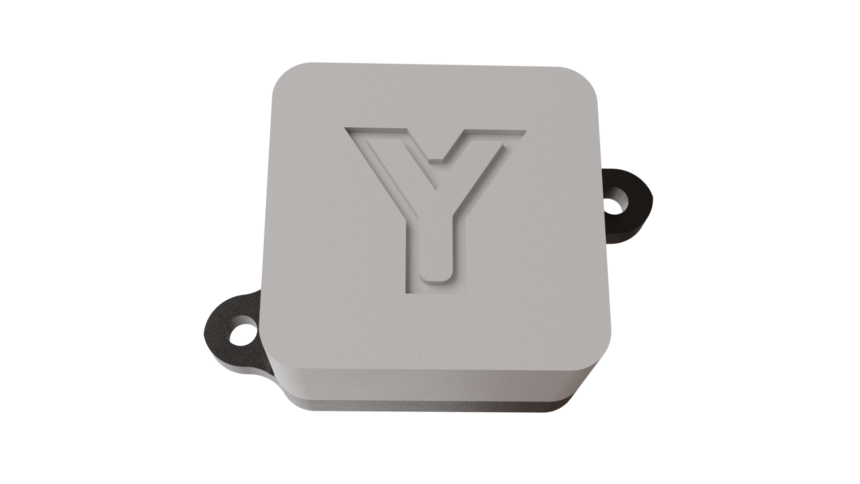
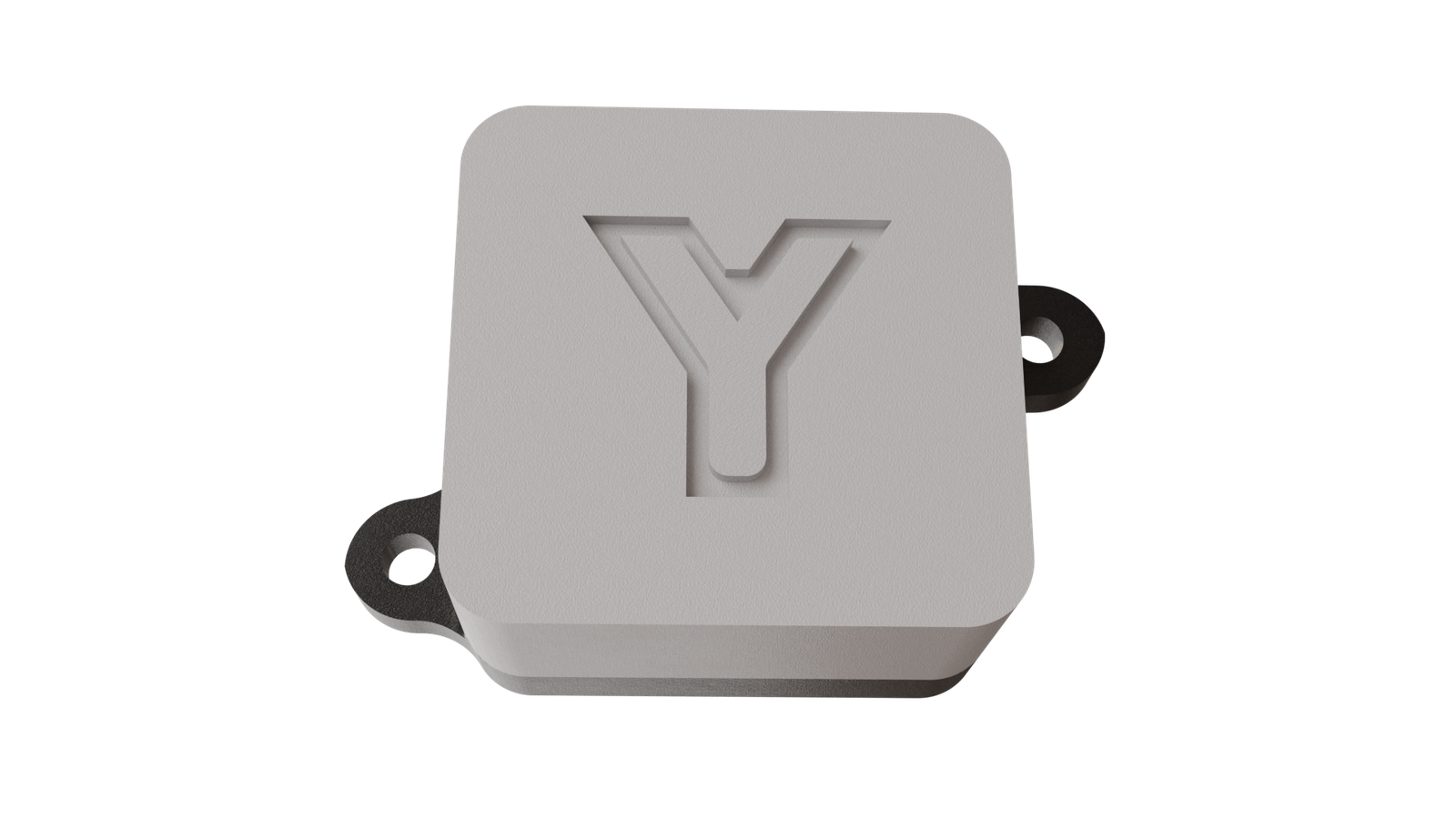
Yaanendriya deliberately avoided building yet another drone or robot. Its products span three layers of the autonomy stack: Syncore flight and navigation controllers, YPS GNSS positioning systems, and YDx inertial sensing modules with AHRS (Attitude and Heading Reference Systems) outputs. Syncore Nano is the company’s compact navigation stack controller engineered for drones, ground robots and embedded autonomous platforms.
The YDx family is its flagship sensing line: high-precision inertial sensing modules designed as Vertical Reference Units and AHRS, available in 6-DoF and 10-DoF configurations with industrial and tactical grades. The modules combine a high-performance 3-axis accelerometer and gyroscope with the company’s proprietary YSS sensor-fusion algorithm, compensating for scale factor, misalignment and bias to deliver stable, low-noise orientation outputs. They are backed by a Linux- and Windows-compatible software suite for calibration, real-time visualisation, data logging and configuration — the unglamorous integration tooling that determines whether a sensor actually gets used in the field.
Navigation where GPS can’t reach
The company says it already works with more than 20 customers across drones, defence, robotics and other precision applications, with a lean team of around 18 engineers spanning embedded hardware, firmware, algorithms and product development. But the next phase goes significantly deeper.
The stated goal is G-INS and tactical-grade inertial navigation systems that keep navigating when GNSS is unavailable, unreliable or contested — the contested-navigation problem that matters for defence and critical infrastructure. Beyond that lies an even more ambitious objective: designing and taping out indigenous tactical-grade MEMS accelerometers and gyroscopes in India. That means MEMS design, fabrication through specialised foundry partners, packaging, characterisation, calibration and multiple iterations before the sensing elements can compete globally — the deepest possible layer of the stack, which virtually no Indian startup has attempted to own.
More Read
Owning the stack, not assembling it
“Ultimately, we want to own more of the technology stack, from the sensing element itself all the way to navigation and control,” Bharadwaj told Deccan Herald. The company’s stated ambition is to build a globally competitive navigation and inertial sensing company from India — products designed and engineered here that compete with global benchmarks on performance, reliability and integration.
It is a bet that the strategically important part of the autonomous-systems boom is not the airframe or the robot chassis, but the electronics inside them. If Yaanendriya’s MEMS roadmap holds, India’s drones, robots and defence platforms could one day navigate on sensors built end to end at home.