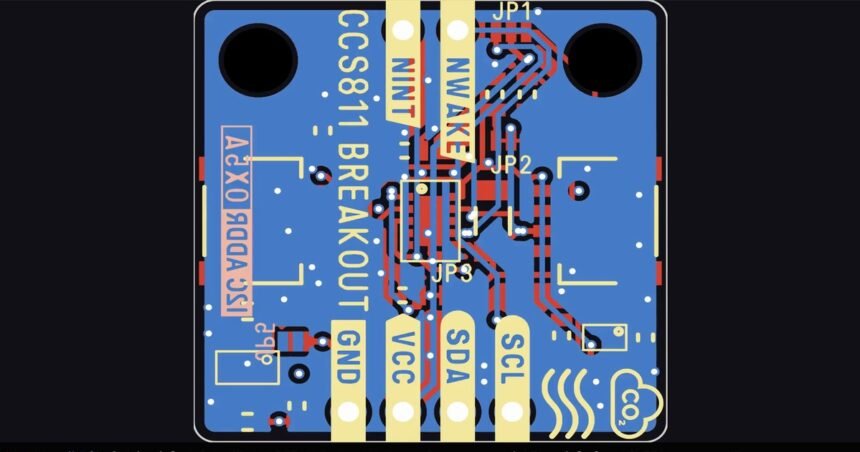
Every great gadget begins life as a circuit board — and for decades, designing that board has been the slowest, most painstaking step in building hardware. Engineers pored over datasheets, drew schematics by hand, placed components one by one, routed copper traces, and then paid for the whole thing again when a mistake surfaced. A Bengaluru startup called CopperPilot is changing that equation entirely: describe the board you want in plain English, and its AI agent designs it for you.
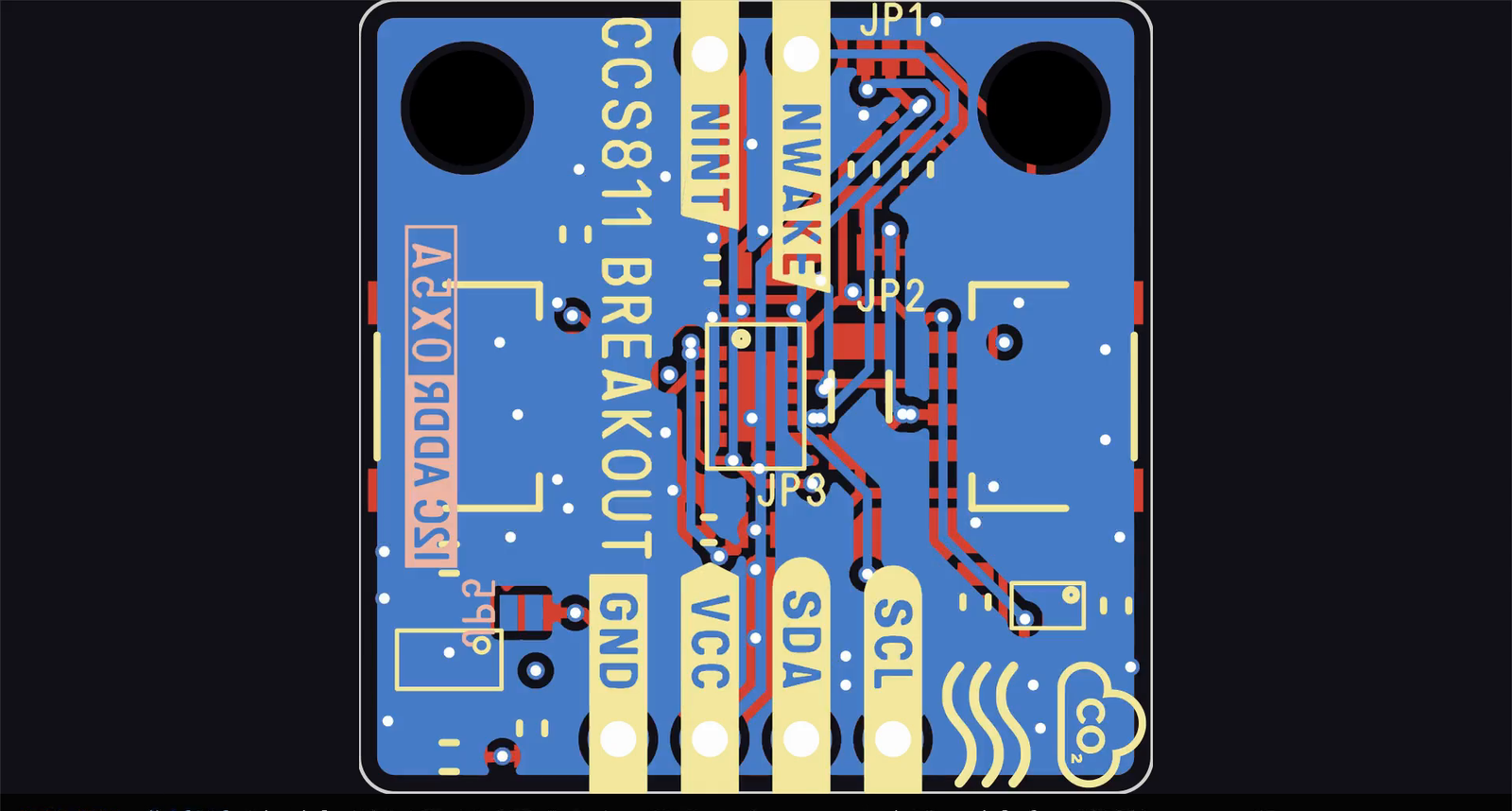
CopperPilot’s design agent is called Epsilon, and the company launched its first version on 27 October 2026, alongside a $390,000 pre-seed round led by Neon Fund. The idea is beautifully simple: hardware design should move at the speed of software development. Where AI coding agents transformed how software gets written, CopperPilot brings the same leap to electronics — turning a plain-language description into a manufacturing-ready board design.
What Epsilon actually does reads like a wish list for any hardware engineer. It researches requirements and picks components from real datasheets and distributor databases, building the bill of materials in seconds. It draws production-ready schematics grounded in application notes and best practices. It places components and routes traces while respecting design constraints, signal integrity and layout rules — and it checks its own work, running electrical and design-rule checks so errors are caught before they become expensive board re-spins. It even generates firmware scaffolding and runs SPICE simulations, all without leaving the tools engineers already use.
That last point is the clever part. CopperPilot does not ask engineers to abandon years of muscle memory and migrate to a new platform. It bolts straight onto the tools they already love — KiCad and Altium for board design, LTspice for simulation — and it plugs into the AI coding agents they already use, including Claude Code, Cursor and Codex. As the company puts it, the only thing that changes is having an agent that can read, edit and verify the design alongside you.
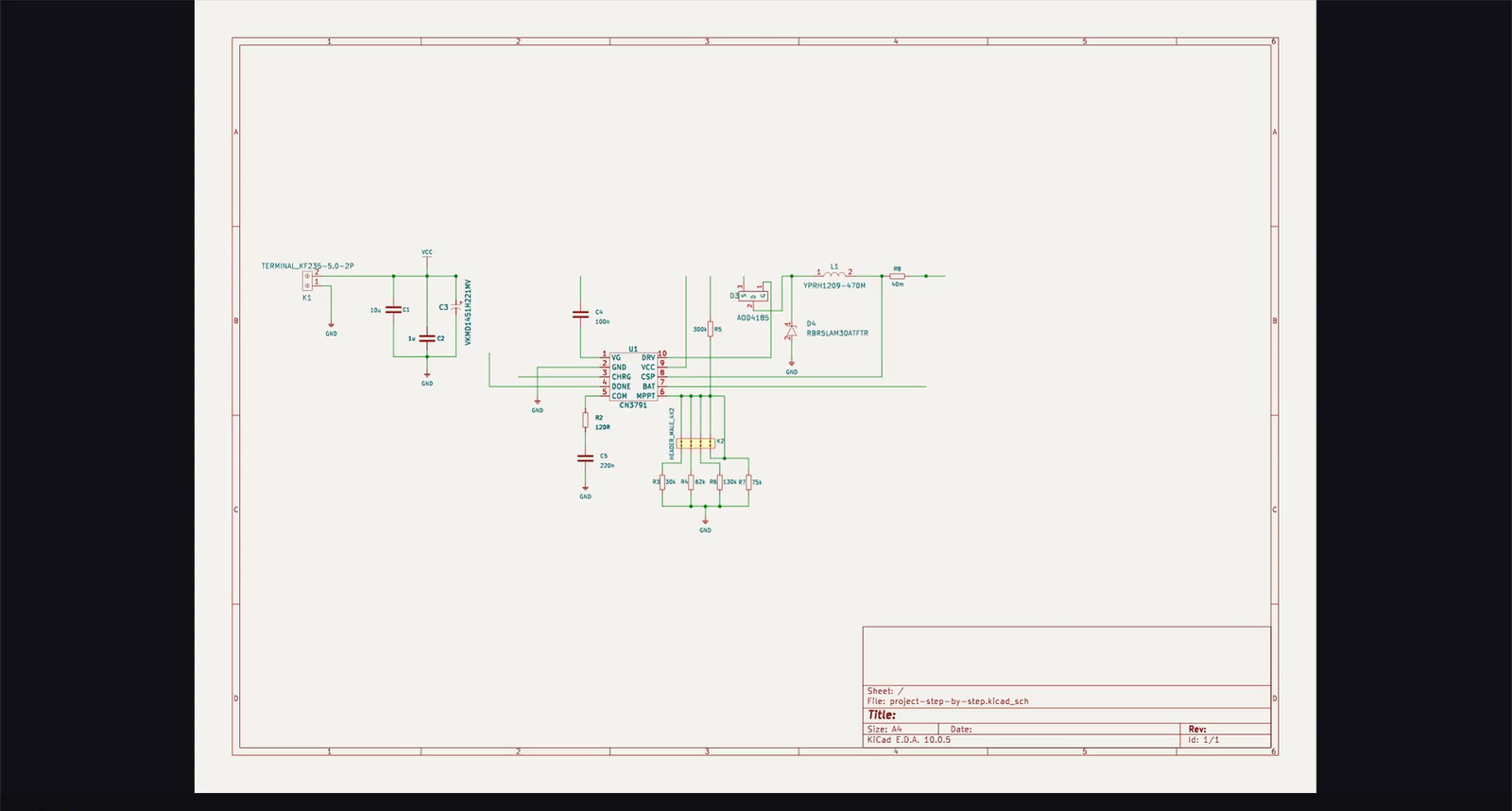
The story behind CopperPilot is a classic Indian startup tale. Founded in October 2025 by Aditya NG, Mohit Bagur and Anish Harsha, the company began at the Accel + Anthropic Dev Day hackathon, where its idea of bringing AI to hardware design won first place from more than 300 participants. By August 2026, Inc42 had named it one of its 30 Startups to Watch, and it reached the final round of Emergent’s VibeCon Bengaluru from more than 10,000 applications. Engineers are already putting it to work: the company says weekly active users have grown 25-fold since August 2026, with more than 6,000 design tasks run on the platform so far.
Co-founder and CEO Aditya NG says the idea came from watching hardware teams stall on exactly this problem. On autonomous vehicle projects, he recalls, someone would eventually conclude that a compute unit for six cameras was too hard to design, or a drive-by-wire unit was beyond the team’s capacity — and some teams simply stopped there. CopperPilot exists, he says, so that no hardware team is ever blocked because a board is too difficult to design.
More Read

The early users tell the same story. Robotics company Dexory used CopperPilot to generate the first-pass schematic and placement for a small nRF54L15 board in a couple of hours, and its design review caught a real bug before it reached manufacturing. Iceberg Engineering’s CEO says he has watched the tool grow from generating circuit pictures into genuinely aiding early-stage prototypes. For a country racing to design its own chips, boards and devices, that is exactly the kind of leverage that matters: faster hardware iteration means faster products, from IoT gadgets and medical devices to electric vehicles and robotics.
CopperPilot is headquartered in Bengaluru, with a second base in Houston, Texas, and it serves paying customers across the US, UK and Europe as well as users in India. Individuals can start free, with team plans from $150 a month. And the team eats its own cooking: it designs its own hardware with CopperPilot, in public, inviting the industry to review the process and pick it apart.
Software got its AI revolution first. Hardware, the physical foundation everything else runs on, was left waiting — slowed by datasheets, manual layout and costly re-spins. With Epsilon, a Bengaluru startup is making sure hardware catches up, and that the next generation of Indian products gets designed in days, not months.
Keep reading: Eyes That See Through Smoke: Inside Nova Spectral AI, the Bengaluru Startup Building India’s Own Infrared Sensor Chip · The Light That Carries the Internet: Inside Velmenni, the Delhi Startup Sending Data at 10 Gigabits on a Beam of Light · More Industrial Automation & Technology stories
Like stories like this? Add Exceptional Technology as a preferred source on Google to see more of our reporting in your search results and Discover feed.