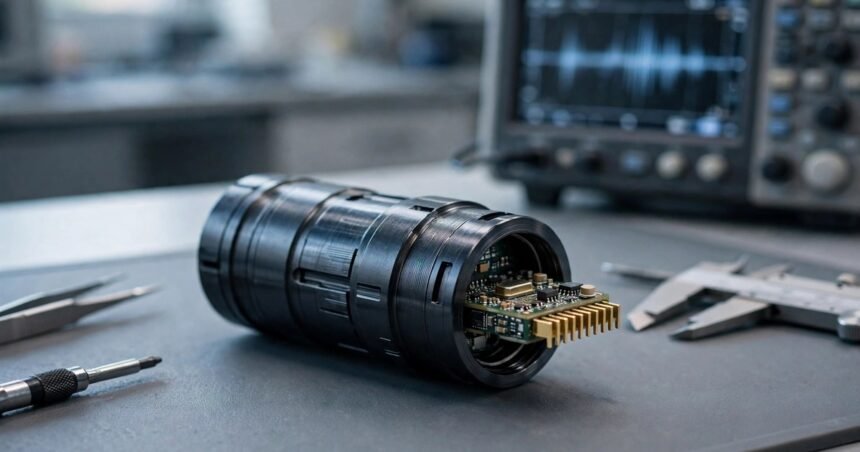
Every munition has a brain quietly deciding the exact moment it should act — the fuze, the small electronic heart that senses, decides and triggers with split-second precision. Get it right and the weapon works exactly as intended; get it wrong and nothing else about the system matters. In Bengaluru, a young company called Ammunic Systems is building that brain in India — and building it for land, air and sea.
Ammunic Systems is a defence research and development firm founded in September 2024 by siblings Priyanka and Krishna Singhal. Priyanka, the company’s founder and chief executive, first met defence electronics as an intern at the Defence Research and Development Organisation, working on warhead electronics, explosive initiation systems and real-time field trials — and she came away convinced that India should design the brains of its own arsenal, not just assemble them. Within a year of launch, the startup was working with the Indian Army, the Indian Air Force, the Central Reserve Police Force and DRDO, and its work has since earned Priyanka the Society of Indian Defence Manufacturers’ Women Innovator of the Year Award.
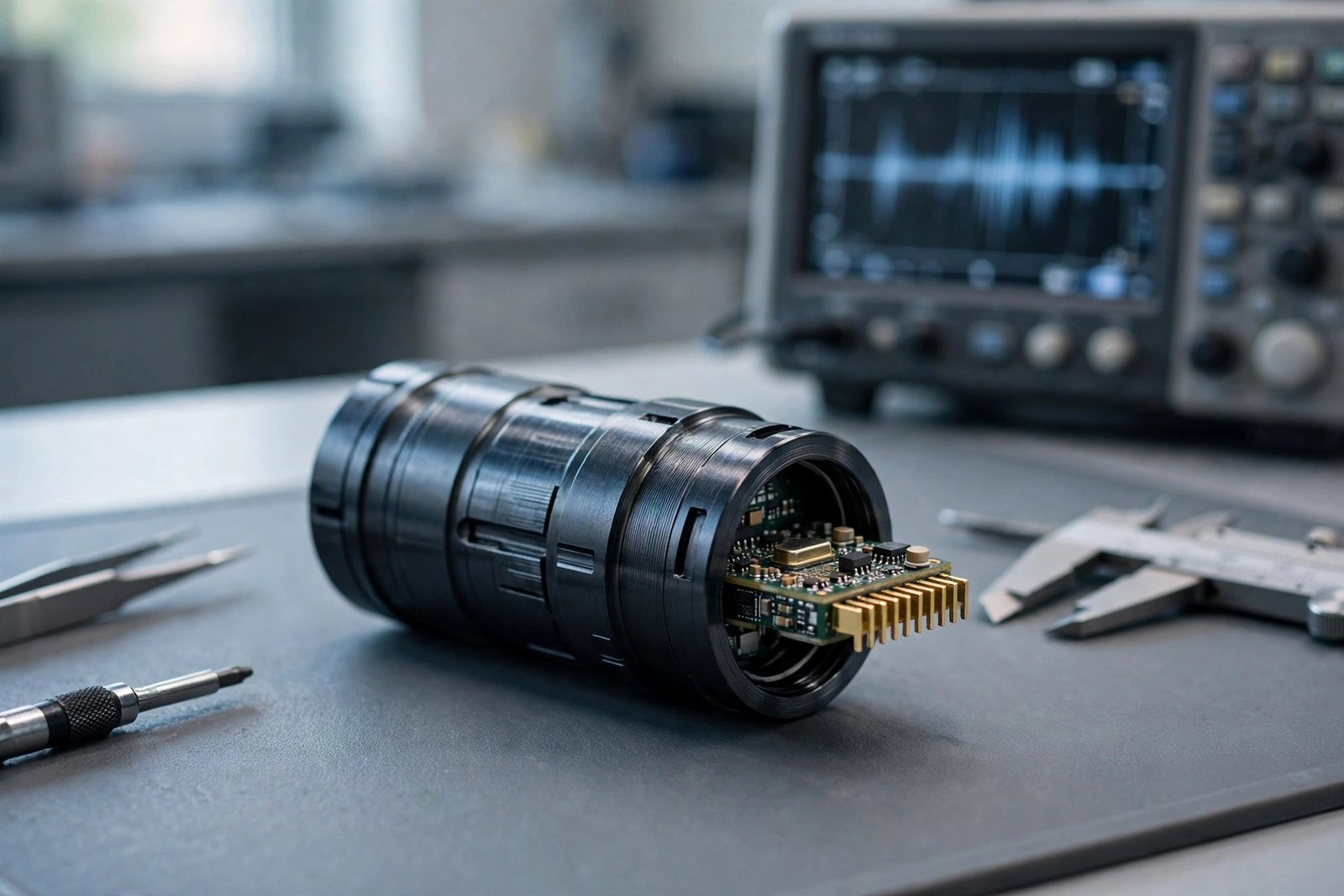
The fuze is the brain of the munition
A fuze is the component that decides when a munition functions — on impact, in proximity to its target, or at a precise height above the ground. It is a tiny package of sensors, electronics and timing logic, and it has to work flawlessly in the harshest conditions imaginable, after months in storage and seconds of violent flight. Ammunic’s core competence is exactly this: advanced electronic fuzes, warheads and munition integration technologies. The company’s landmark achievement, it says, is India’s first advanced electronic underwater fuze — a mission-critical component for naval munitions and autonomous underwater vehicles — and it has filed a patent for an electronic fusing system designed to replace the legacy mechanical fuses India has long imported for underwater operations.
Three domains, one engineering core
The same fuzing and warhead expertise runs across all three domains of warfare. On land, Ammunic builds smart firing systems, new-generation munitions and new-generation land mines. In the air, it develops anti-personnel munitions for loitering munitions, gravity-drop munitions and breacher munitions. At sea, it works on underwater electronic fuzes, naval mines and munitions, and munitions for autonomous underwater and surface vehicles. The company’s current focus is loitering munitions and gravity-drop bombs, led by its Skanda system, alongside a push into naval warfare technologies that it sees as an underserved segment.
Built the Make-II way
Ammunic follows the prototype-to-scale model envisaged by the defence ministry, working through the Make-II and Technology Development Fund pathways that let industry lead innovation with government support. In July 2025 the company raised $1.1 million in seed funding co-led by India Accelerator and its venture arm Finvolve, and it now carries an order book of &rupee;15 crore. Production capacity has expanded over the past few months, and the company is looking beyond India too — Southeast Asia and the Middle East are its first export horizons, markets it sees as receptive to cost-effective Indian defence technology.
From a Bengaluru lab to the Army, the Air Force and the Navy, a two-year-old startup is quietly putting Indian engineering inside the most precise component of the arsenal — and proving that the brains of India’s weapons can be designed, built and trusted at home.
More Read

Keep reading: The Brain Inside Every Drone: Inside ChipUAV Systems, the Mumbai Startup Building a Flight Controller on India’s Own Chip · The Eyes of Pragyan: Inside Omnipresent Robot Technologies, the Noida Firm That Taught a Rover to See the Moon · More Aerospace & Defense stories
Like stories like this? Add Exceptional Technology as a preferred source on Google to see more of our reporting in your search results and Discover feed.