Every robot that lifts a crate, walks a factory floor or climbs a staircase moves because of a joint — and every joint is an actuator, a precision machine that turns software commands into torque. In Bengaluru, a two-year-old startup called Cosine Robots is building those joints in India, so the robots of the next decade can move on Indian hardware.
Founded in October 2024 by Kiran Mathew Koshy and Delip Thomas, two IIT Patna classmates, Cosine Robots designs and manufactures integrated servo actuators — the muscles and joints of a robot, packed into a single unit. On 24 November 2026 the company announced it had raised ₹22.36 crore (about $2.4 million) in a round led by Avaana Capital, with WEH Ventures and angel investors joining in, to build a dedicated research and production facility in Bengaluru and take its actuator family to market.
The joint is the robot
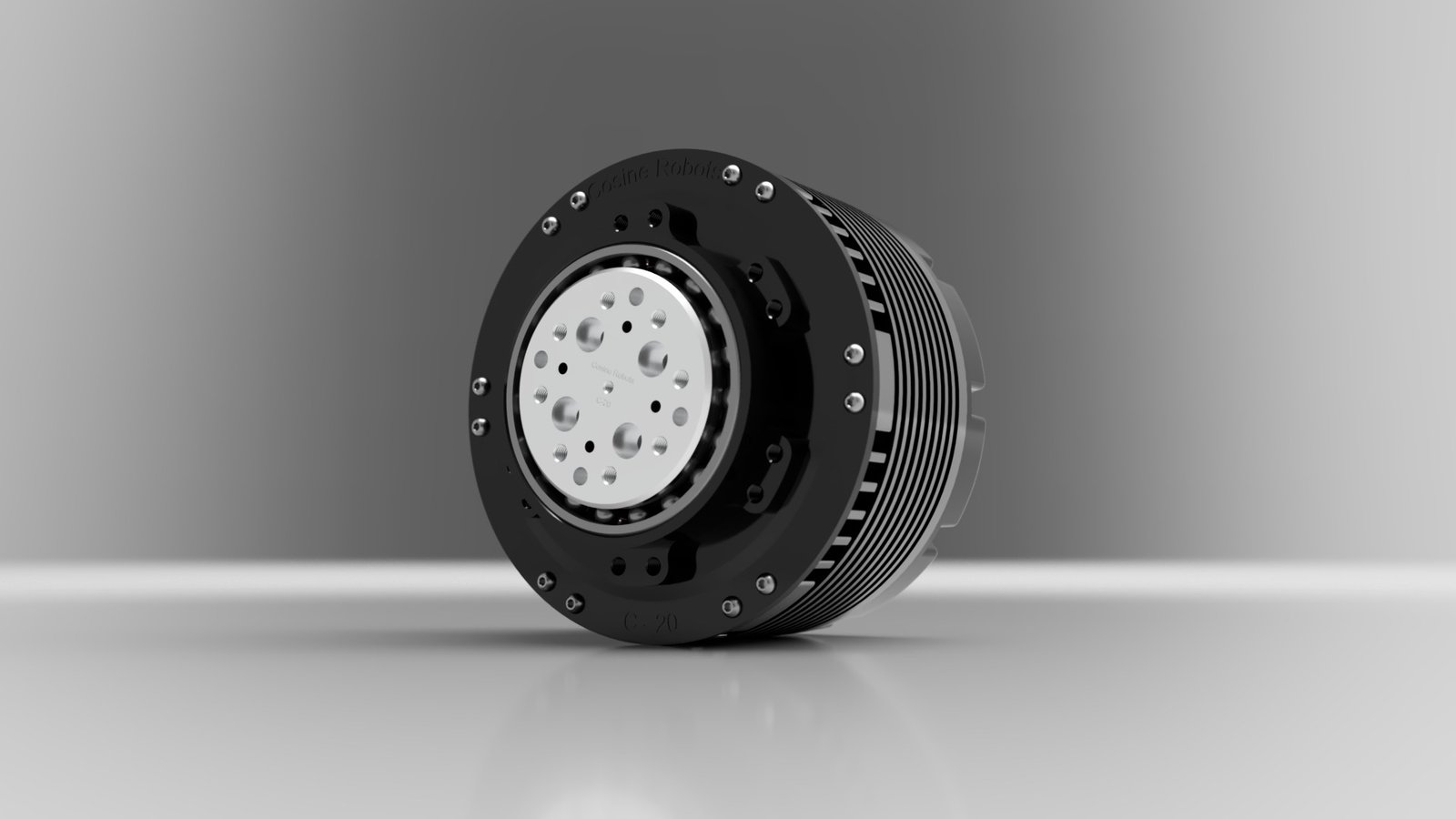
An actuator is the interface between a robot’s intelligence and its motion: it decides how precisely a joint moves, how much force it can apply, and how smoothly it responds. Cosine Robots builds that whole interface into one unit — a precision motor, a gearbox, sensors, electronics and proprietary control software, engineered together so precision, reliability, torque response and cost can be tuned as one system. Its control architecture pairs dual-position sensing with a 25 kHz control loop, issuing 25,000 updates every second to regulate movement and torque.
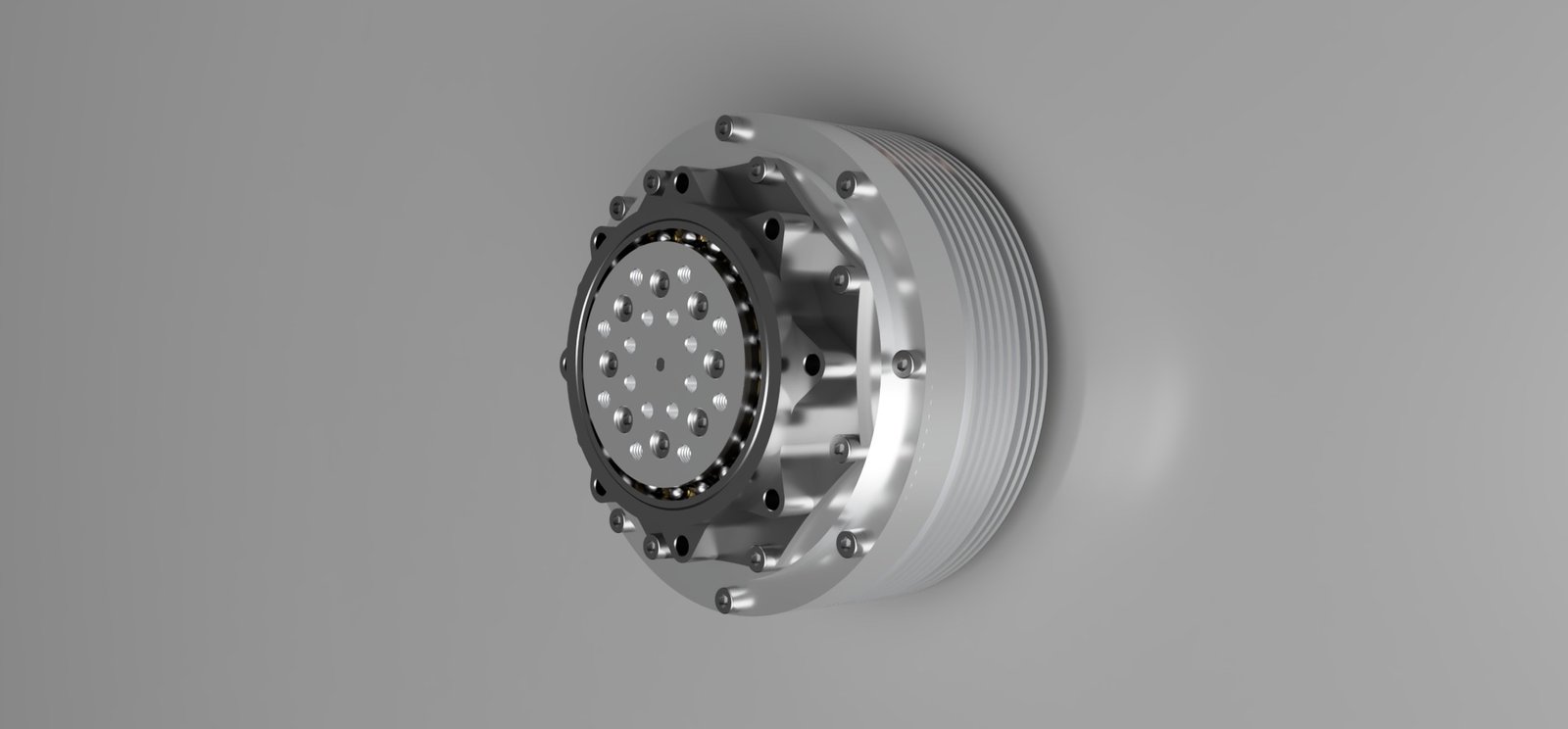
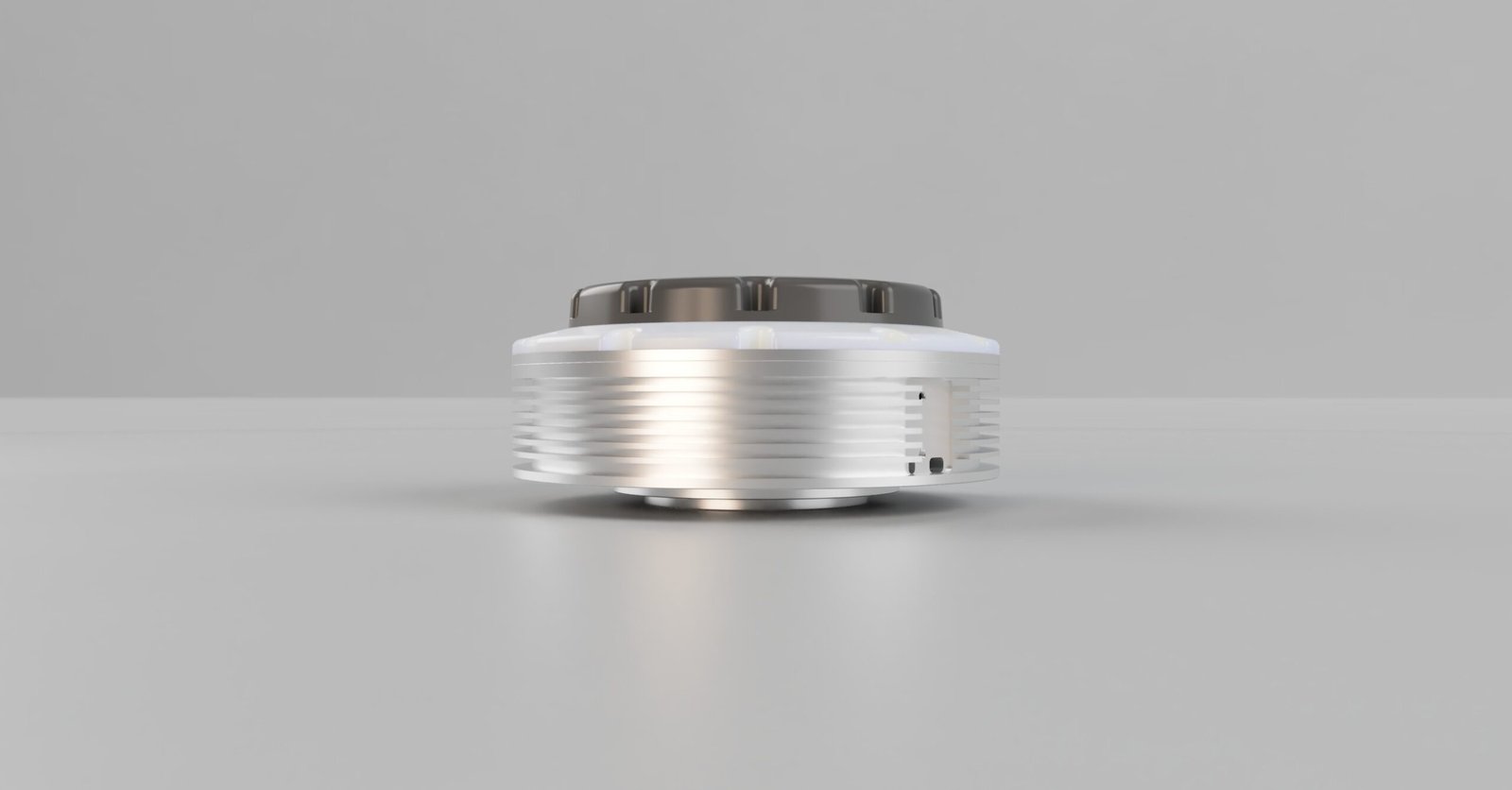
The result is a modular family of actuators for every size of joint. The cycloidal range runs from the C-20, a compact 20 Nm unit for small joints and mobile bases, through the 60 Nm C-60 to the C-120, a 120 Nm actuator that weighs just over a kilogram, and the 280 Nm C-280 for heavier payloads. Alongside them sits the P-50, a planetary actuator rated at 50 Nm peak and 250 RPM, built for speed. Every unit in the family runs on 12–48V DC, talks over CAN, and carries a 21-bit output encoder — a common motion architecture, in the company’s words, for the next generation of robots, from industrial arms and collaborative robots to quadrupeds and humanoids.
Actuators first, humanoid next
Cosine Robots began with a bigger dream than joints. When the two founders started the company, working as a two-member team out of a co-founder’s apartment, their goal was an affordable humanoid robot for Indian factories and homes — a machine they hoped to sell for around $4,000, against a market where humanoids run from $10,000 to $100,000. Their route there is deliberately ground-up: build the actuator first, sell it, and use the profits to finance the rest of the robot. A single joint actuator on the market today can cost $1,000 or more, the founders told Swarajya in 2024 — and a robot needs one for every joint it has. Making that joint cheaper is what makes the whole robot affordable.
That is also why the company sells its actuators as open, hackable hardware for developers, students and researchers, with browser-based configuration and a TypeScript SDK — the same precision joints, made approachable for the next generation of engineers.
More Read

A factory for the motion layer
The new funding will put Cosine Robots’ actuators into production at scale. The company is setting up a dedicated research and production facility in Bengaluru that brings precision machining, assembly, calibration and endurance testing under one roof, and it is expanding its engineering team to move the actuator portfolio towards commercialisation around February 2027. “This funding will help us strengthen our research and development and establish production capabilities for actuators designed and built by our team,” said Kiran Mathew Koshy, the company’s co-founder and CEO.
The timing is generous. According to the International Federation of Robotics, a record 603,307 industrial robots were installed worldwide in 2025, up 11 per cent on the year — and India installed around 10,500 of them, up 15 per cent, ranking sixth in the world after growing at an average of 27 per cent a year since 2020. Every one of those robots needs joints, and almost all of them are imported today. “The next generation of robotics will be defined by how intelligently machines move,” said Vikas Verma, partner at Avaana Capital. Cosine Robots is building that intelligence directly into the joint — designed in Bengaluru, built in Bengaluru, and priced for robot-makers everywhere.
From a two-person team in a Bengaluru apartment to a production line for the joints of the world’s robots, Cosine Robots’ throughline is a single idea, pursued from the ground up: a future with an abundance of robots — as the company puts it — starts with making the parts that move them affordable for everyone.
Keep reading: Type in Your Mother Tongue: Inside Ka-Naada, the Bengaluru Startup That Rebuilt the Keyboard for Indian Languages · Throw It Through the Door First: Inside Gridbots, the Ahmedabad Company Building Robots for India’s Most Dangerous Jobs · More Industrial Automation & Technology stories
Like stories like this? Add Exceptional Technology as a preferred source on Google to see more of our reporting in your search results and Discover feed.