Every year, India grows millions of tonnes of coconuts — and most of the shells end up burned, buried or thrown away. In Jaipur, a startup called Cancrie looked at that pile of waste and saw the inside of a better battery. Founded in 2019 by Akshay Jain and Mahi Singh, Cancrie has spent more than thirteen years turning agricultural waste into a patented black powder called nanocarbon, and that powder is now quietly making the batteries in e-rickshaws, inverters and solar systems across India last longer, charge faster and run cooler.
Waste in, nanocarbon out
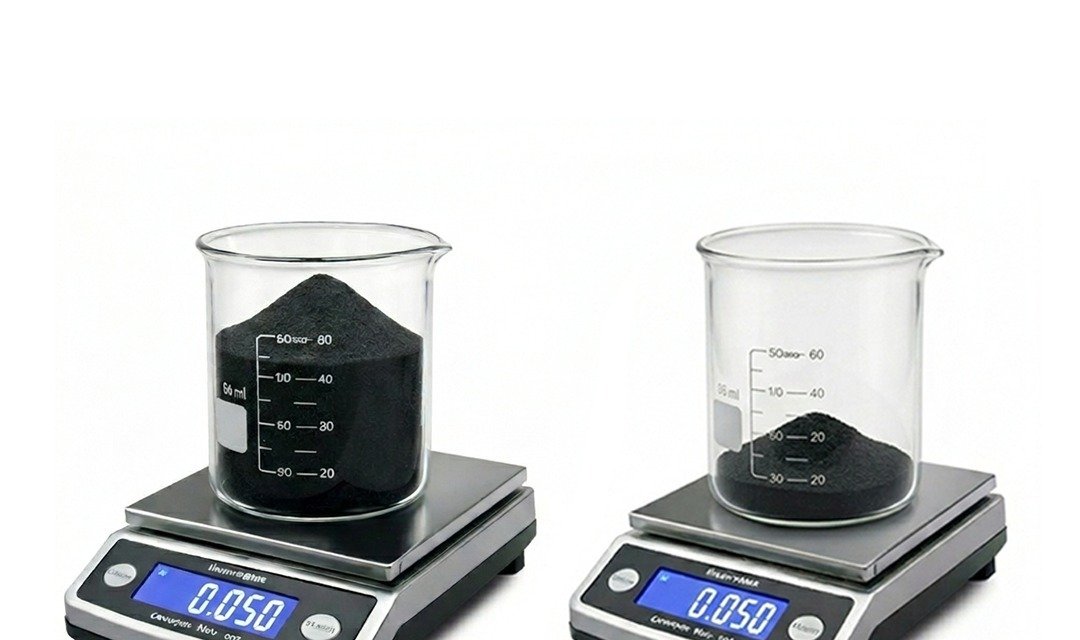
Cancrie’s process takes renewable biomass — coconut shells above all, after the team tested more than fifteen kinds of waste from fruit stones to palm kernel shells — and transforms it through an energy-efficient thermal and chemical treatment into precision-engineered nanocarbon. Coconut shells won out for their high carbon content, hardness and ash profile, and the company says its two waste-sourcing points can supply twenty tonnes of biomass a day. The result is a drop-in additive: battery makers stir a pinch of it — just 0.1 to 1 per cent of the electrode’s active material — into their existing production lines, with no retooling, no new process steps and no added cost per cell.
What the powder does inside a battery
Inside a lead-acid battery, Cancrie’s nanocarbon replaces conventional petroleum-based carbon black. It acts as both a binder and an expander in the negative active material, giving electricity better pathways to flow, cutting heat build-up and holding back the lead-sulfate crystals and plate shedding that wear batteries out. The company says its nanocarbon can make a battery up to 125% more efficient, and its chief operating officer Mahi Singh says batteries with the material have shown more than 50% longer life at 80% depth of discharge. Tested against Bureau of Indian Standards benchmarks, the nanocarbon battery held 92.6% of its C10 capacity at the C5 discharge rate, against 83.3% for the BIS standard — and the advantage grows at faster discharge rates.
The same material is now moving beyond lead-acid. In lithium-ion cells, Cancrie’s nanocarbon works as a cathode enhancer that the company says delivers 25% higher energy density, three times higher peak power and lower internal resistance for safer thermal behaviour — the combination that supports fast charging in two- and three-wheelers, regenerative braking and stronger acceleration. The company also supplies specialised nanocarbon for sodium-ion batteries, supercapacitors and vanadium redox flow batteries, all from the same biomass-derived platform.
From the lab to lakhs of batteries
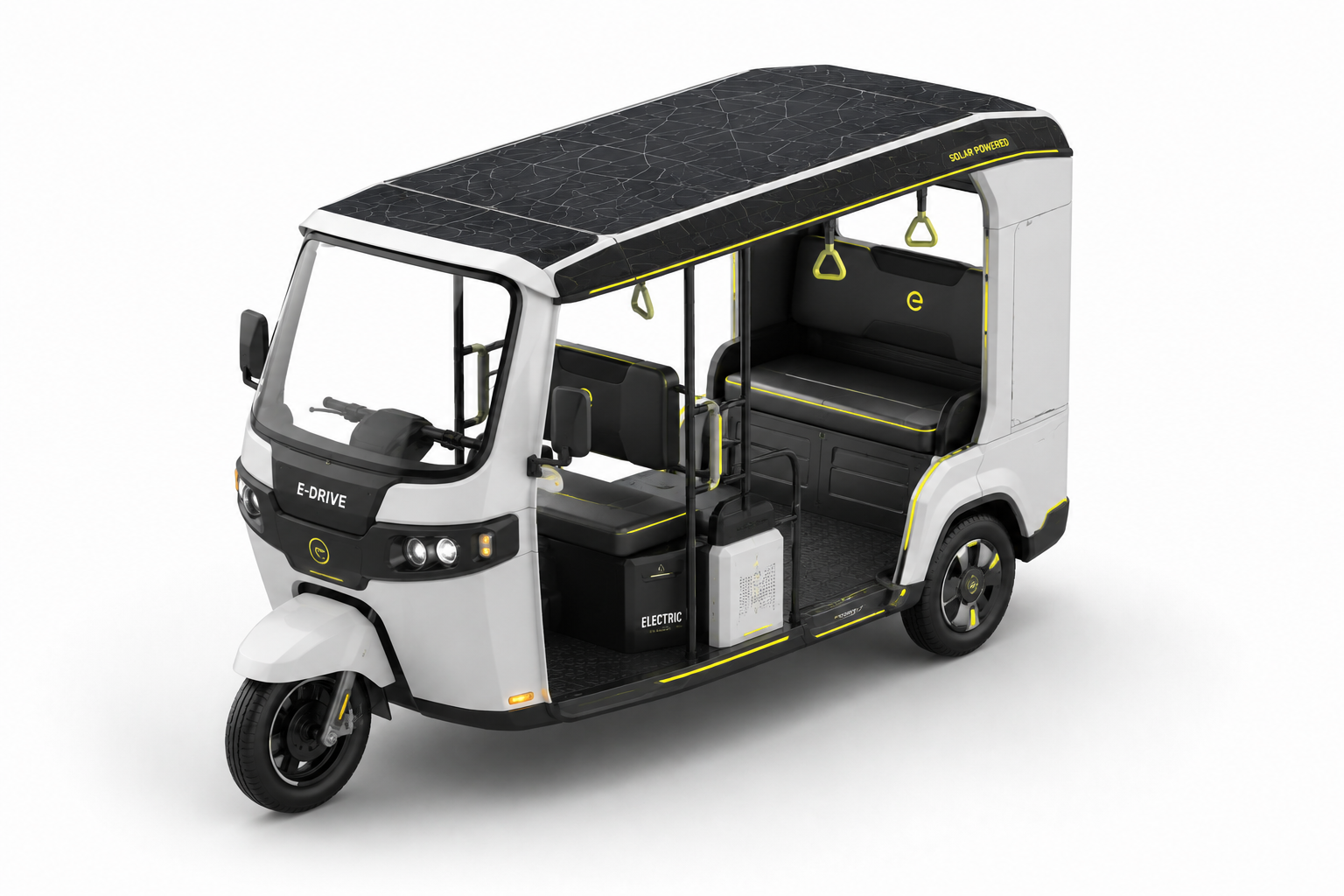
This is not a laboratory curiosity. Cancrie’s material has been tested at ARAI and NABL-accredited and third-party labs, and the company says it has been proven at industrial scale at more than twenty battery manufacturers. Lakhs of tubular, motor-starting, e-rickshaw and valve-regulated lead-acid batteries carrying Cancrie nanocarbon have been sold in the last two years, and the powder now reaches applications from automotive and solar batteries to drones, e-rickshaws and UPS systems.
The work has drawn recognition and backing along the way. Cancrie won the National Energy Efficiency Innovation Award in 2023 from the Bureau of Energy Efficiency, was named one of the top four winners of the ENTICE Energy Transitions Innovation Challenge in 2023, won the UNIDO innovation challenge for electrical energy storage in 2021, joined the Techstars Indy class of 2021, and received a Biotechnology Ignition Grant from BIRAC. In January 2025 the company raised a $1.2 million maiden institutional seed round led by Roots Ventures and IIMA Ventures to scale production, accelerate research and expand into next-generation energy storage.
More Read

From a coconut shell discarded in a Jaipur market to a powder that stretches the life of the battery in an e-rickshaw, a home inverter or a solar plant, Cancrie has built a rare thing: a material that makes batteries better while making them cleaner. The shells were always there. Now they are doing the work.
Keep reading: The Ink That Prints Living Tissue: Inside Scire Science, the Kochi Startup Behind India’s First Indigenous Bioink · The Sound of Clean Water: Inside Prasinos Tech Innovations, the Hyderabad Startup Healing India’s Lakes with Ultrasound and Nanobubbles · More Chemicals, Materials & Life Sciences stories
Like stories like this? Add Exceptional Technology as a preferred source on Google to see more of our reporting in your search results and Discover feed.