


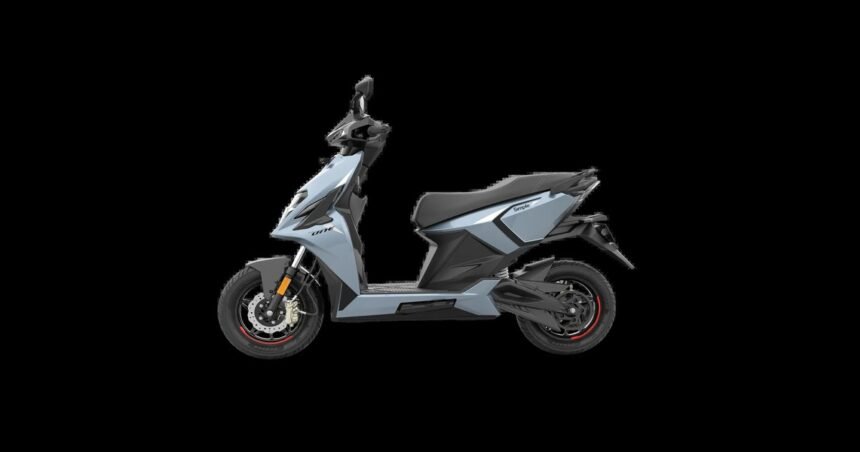
In January 2019, Suhas Rajkumar started building an electric scooter in a garage in Bengaluru, driven by a simple frustration: the scooters on sale could not go far enough on a charge. A year later, his first prototype crossed 230 kilometres on a single charge in ARAI testing. Seven years on, the company he founded, Simple Energy, has just unveiled a scooter that goes further still — 400 kilometres on a charge, the longest range of any electric scooter sold in India, the company says. It is called the Simple Ultra, and it is the new flagship of a lineup the Bengaluru startup builds almost entirely in-house.
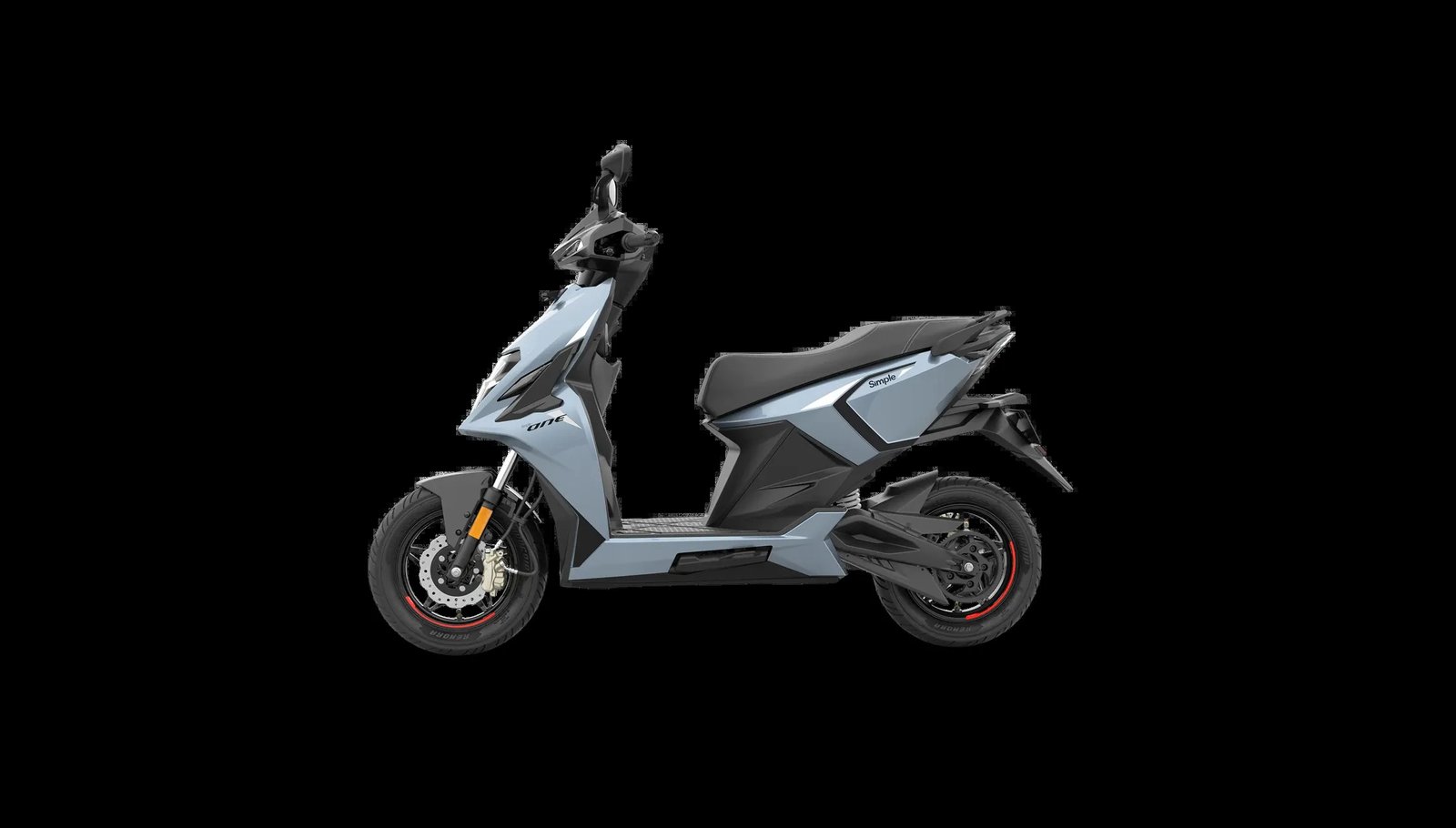
The Simple One — Simple Energy’s flagship scooter, built around in-house motors, batteries and software. (Official image: Simple Energy)
A new flagship built around one number: 400
The Simple Ultra, launched on 11 November 2026 as part of the company’s Gen 2 portfolio, carries a 6.5 kWh battery and an IDC-certified range of 400 km. It tops out at 115 kmph and sprints from 0 to 40 kmph in 2.77 seconds. Pre-bookings are open now.
The rest of the Gen 2 range fills in below it. The Simple One Gen 2 comes in two battery options — a 4.5 kWh version with 236 km of IDC range at Rs 1,69,999, and a 5 kWh version with 265 km at Rs 1,77,999 (ex-showroom, Bengaluru). The Simple OneS Gen 2, with a 3.7 kWh battery, offers 190 km at Rs 1,49,999, with an introductory offer starting at Rs 1,39,999. Across the range, the scooters get traction control, four levels of regenerative braking, cruise control and six riding modes, plus a portable 750 W home charger and a connected dashboard with LTE and Bluetooth, navigation, over-the-air updates, tyre-pressure monitoring and a Find My Vehicle feature.
The motor that sidestepped a global supply shock
What sets Simple Energy apart is how much of the scooter it makes itself. The company designs and builds its chassis, battery pack, motor, battery-management system, controllers, dashboard and software in-house, and says around 95% of its scooter’s components are made in India. Its 200,000 sq ft plant at Shoolagiri in Tamil Nadu houses its own motor manufacturing line.
More Read

That depth of in-house engineering paid off when China restricted exports of seven heavy rare-earth elements in April 2025, squeezing the global supply of the magnets that most EV motors depend on. Simple Energy had already been re-engineering its motor to do without them. It homologated a heavy rare-earth-free motor in July 2025 and, that September, became the first Indian manufacturer to commercially produce heavy rare-earth-free EV motors, the company says. By January 2026 it had shipped 4,000 to 5,000 vehicles running on the new motors, which had together covered more than 2 crore kilometres — and every scooter it builds today is free of the restricted heavy rare-earth elements, the company says.
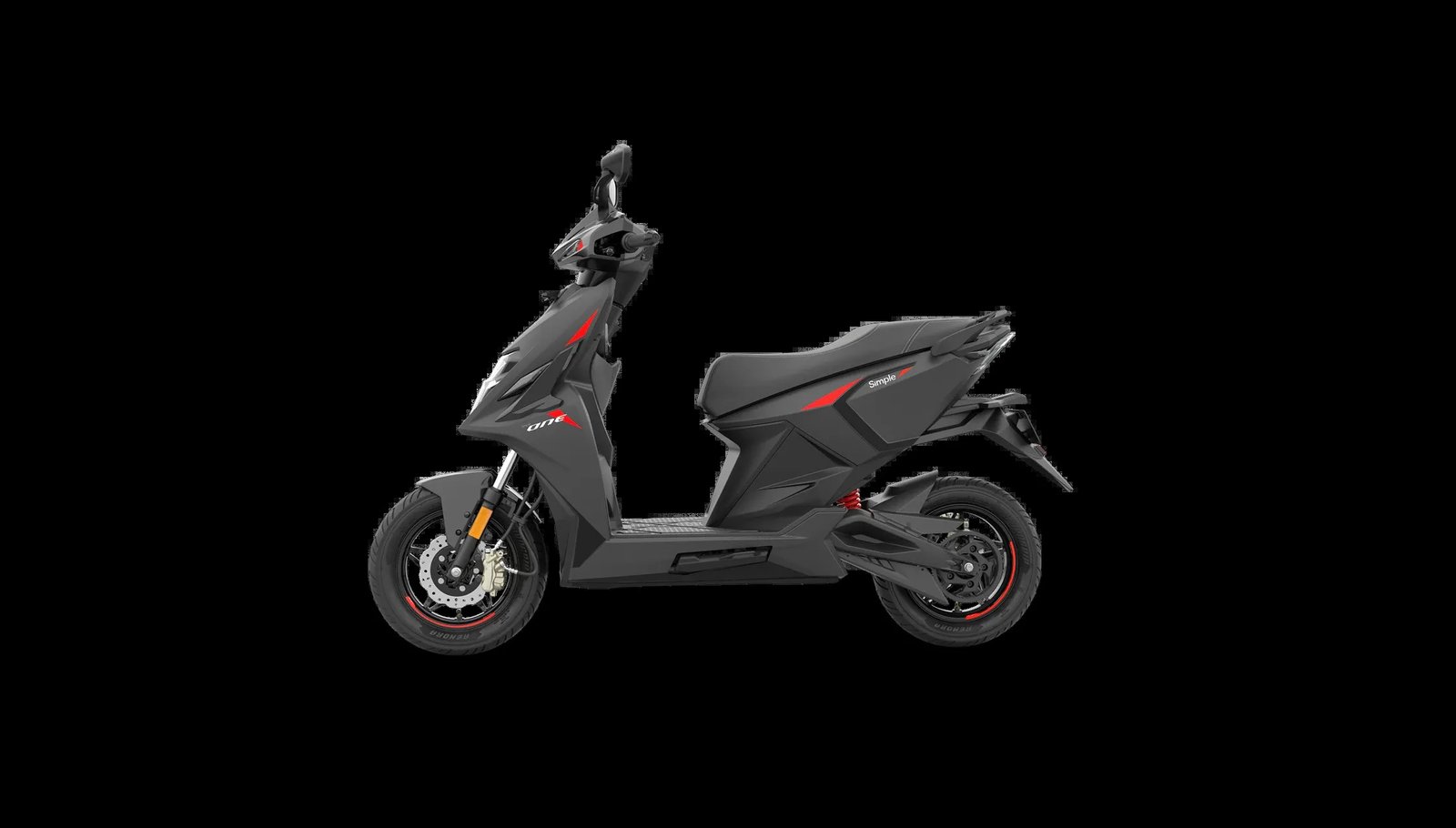
The Simple One in Brazen Black. The company’s Shoolagiri plant builds the scooter’s motor, battery pack and chassis in-house. (Official image: Simple Energy)
From a garage prototype to 10,000 scooters a year
The road from that first prototype has been a steady climb. The Simple One launched in August 2021 with a certified range of 212 km — the longest in India at the time — and drew more than 1,00,000 bookings, the company says. Customer deliveries began in June 2023. This September the company added the Wave, its first family scooter, with deliveries from 25 September and prices starting at around Rs 1.10 lakh.
The numbers are now moving fast. Simple Energy sold 10,429 scooters in the first eight months of 2026, according to Vahan registration data — up 203% on the same period a year earlier — and 18,556 scooters since sales began in 2023. October 2026 was its best month yet, with 1,050 scooters sold, up 215% year on year. The scooters are sold through more than 61 showrooms across India, and online through Amazon and Flipkart.
The scale-up is funded. On 30 September 2026 the company closed a Rs 1,750 crore Series C round led by the family office of Thyrocare founder Dr Arokiaswamy Velumani, taking its total raised to more than Rs 2,530 crore. Installed production capacity stands at 10,000 scooters a month, with a target of 30,000, and the company says revenue reached around Rs 171 crore in FY26, up from roughly Rs 44 crore the year before. A public listing in FY28 is the stated next step.
Seven years after a garage prototype promised to end range anxiety, Simple Energy’s answer is a scooter that can cover Bengaluru to Chennai and back on a single charge — built, motor to software, by the same company that dreamed it up.
Keep reading: Six Minutes to a Full Battery: Inside Montra Electric’s Rhino, the Truck Electrifying India’s Freight Corridors · The Car That Drives Itself Through Chaos: Inside Swaayatt Robots, the Bhopal Startup Teaching Cars to Handle India’s Wildest Roads · More Automotive & Mobility stories
Like stories like this? Add Exceptional Technology as a preferred source on Google to see more of our reporting in your search results and Discover feed.







