Somewhere in southern France, liquid helium flows through Indian-made pipes at −269°C — four degrees above absolute zero, the coldest sustained plumbing on Earth. The pipes were designed, manufactured and installed by INOX India of Vadodara, sold under its INOXCVA brand: roughly 4 kilometres of cryolines plus 6 kilometres of warmlines for ITER, the world’s largest tokamak. It is a decade-long piece of extreme engineering that almost nobody in India has heard of — and it passed its leak tests.
Why a fusion reactor needs −269°C
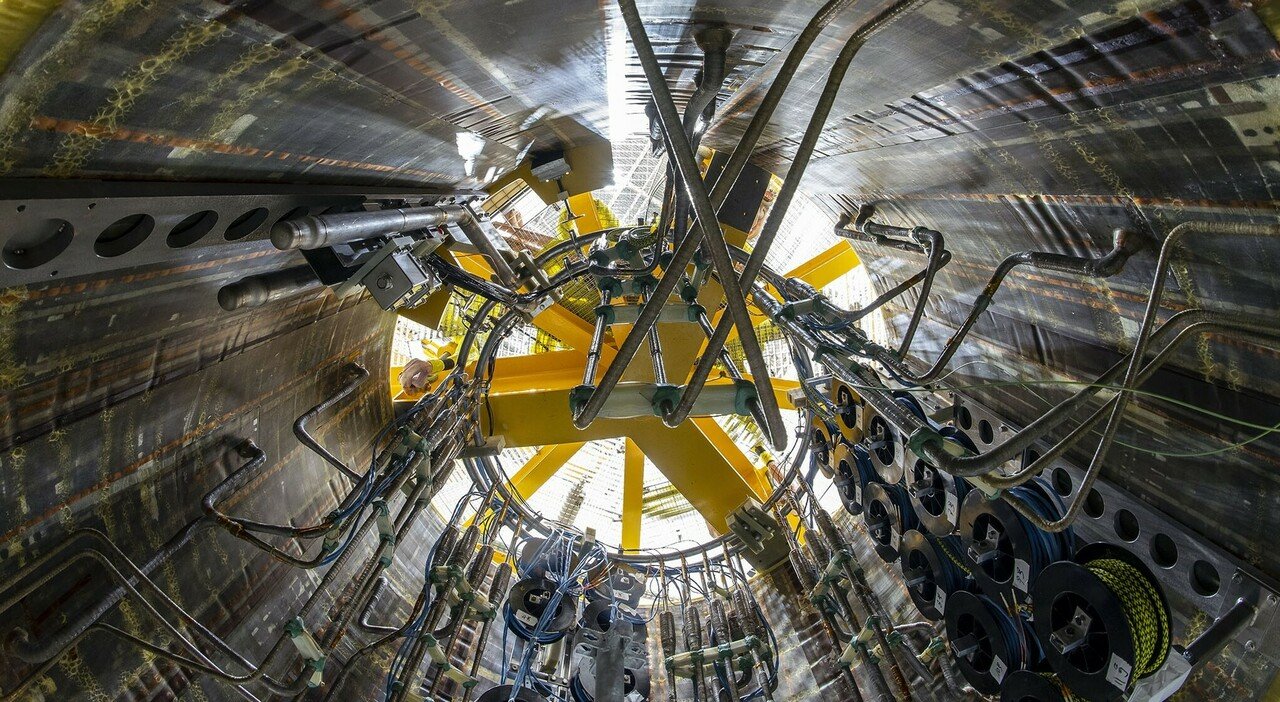
ITER is the world’s largest magnetic-fusion experiment — seven members (China, the EU, India, Japan, Korea, Russia and the US) building a tokamak at Cadarache designed to prove fusion at power-plant scale. The physics demands the extreme: the superconducting magnets that cage the plasma only superconduct near liquid-helium temperature, 4 kelvin. Meanwhile the plasma they contain burns at 100–150 million °C. Between those two extremes sits the cryogenic distribution system — and that is what India built.
INOX India has made cryogenic equipment since 1992, but ITER was a different order of difficulty. The work ran from 2014 to 2025: the company built a prototype alongside a European partner to prove its parameters, invested ₹20 crore in its Vadodara facility for the programme (per BusinessLine, 2014), and then delivered the real thing — vacuum-insulated multi-process lines, each an outer jacket containing between one and eight process pipes, in diameters from 25 mm up to a metre, engineered for brutal thermal contraction, pressure cycling and extreme leak-tightness.
What India actually delivered — precisely
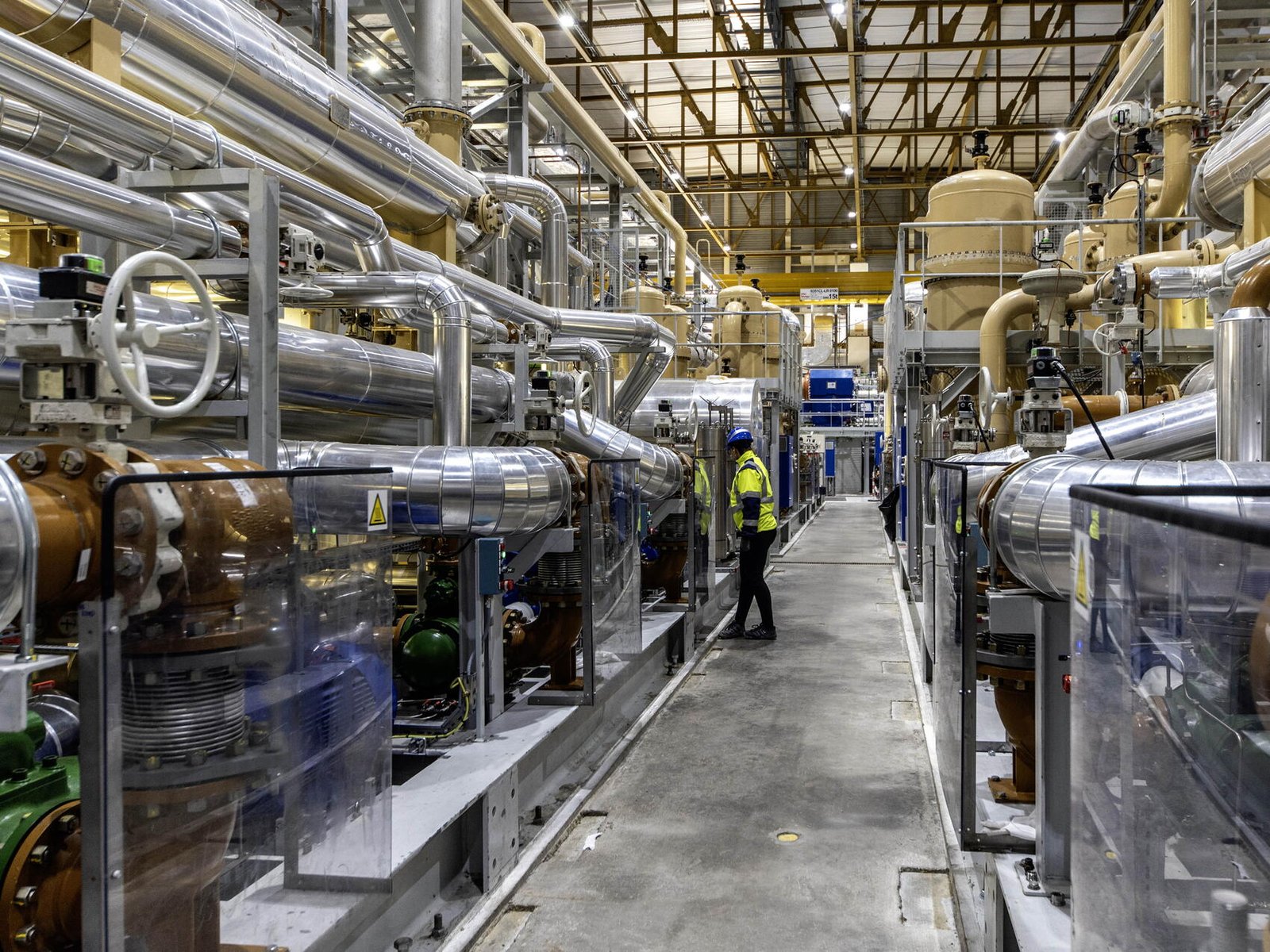
Precision matters here, because the credit lines are easy to blur. France’s Air Liquide built the cryoplant — the giant refrigerators that make the cold. INOX India’s INOXCVA supplied the distribution: the cryoline and warmline piping that carries it. The ITER Organisation confirmed in March 2021 that 4.8 km of cryolines and warmlines inside the cryoplant had passed leak testing, that the Indian Domestic Agency was responsible for 100% of cryoline procurement, and that INOXCVA had provided, in ITER’s own words, “the totality of the piping inside the cryoplant” — around 1,000 spools, some 1,000 welds, with a final pressure test at 30 bar.
The Group-Y cryolines carry helium and nitrogen at 4K and 80K — down to −269°C. The Group-W warmlines carry room-temperature gases. Together they are the circulatory system of the coldest machine humans have built. And the story didn’t end at delivery: in 2026, microscopic cracks from chlorine contamination forced the removal of about 11 km of thermal-shield pipework, and panels were shipped from France to India, where INOX machined away the contaminated material and manufactured and welded replacement pipes using five-axis machining and laser mapping, per the Times of India. When the world’s most complex machine needed repair, it came back to Vadodara.
−269°C: four degrees above absolute zero, flowing through Indian-made pipes inside the world’s largest tokamak.
The company behind the pipes
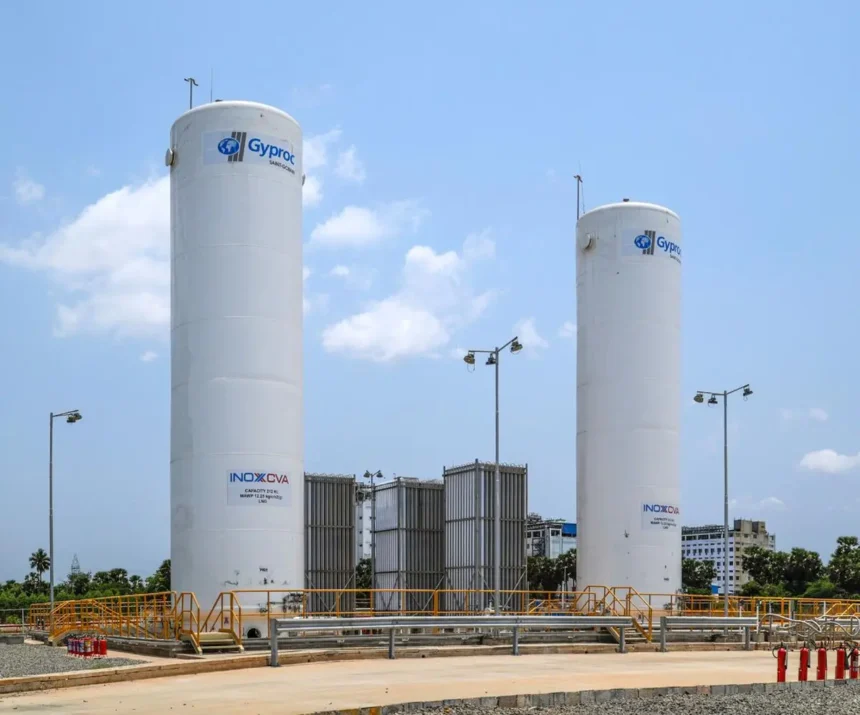
INOX India, headquartered in Vadodara, has been in industrial-scale cryogenics since 1992. A 2014 profile described INOXCVA as the world’s second-largest player in industrial cryogenic technology — a company claim worth attributing, but consistent with a firm trusted with ITER’s cold distribution. Beyond fusion, the company works in LNG, industrial gases and space systems; its official ITER page documents the programme at inoxcva.com/iter.php. In India’s fusion contribution — 9.1% of ITER, routed through ITER-India at the Institute for Plasma Research in Gandhinagar — the cryolines are the most tangible hardware with an Indian nameplate.
Key takeaway
The takeaway: credit precisely — Air Liquide built the cryoplant refrigerators; INOXCVA built the cryoline and warmline distribution piping, about 10 km of it, leak-tested and installed. A Vadodara company holds some of the coldest plumbing on Earth, inside the world’s largest tokamak — fusion hardware with an Indian stamp, like Pranos Fusion’s PRAGYA aiming for the same frontier from the private side.
Why it matters beyond fusion
Cryogenic distribution at this scale is a capability, not just a contract. The same vacuum-insulation, leak-tightness and thermal-cycling disciplines apply to LNG terminals, hydrogen infrastructure, semiconductor fabs and space launch systems — all sectors India is trying to build domestically. The 2026 repair episode may matter most of all: it demonstrated not just that India could build to ITER’s specification once, but that it could diagnose, re-machine and re-qualify when the specification failed in the field. That is the difference between a supplier and a capability. It’s the same leap Scimplify is making in specialty chemicals — from trading to technology ownership.
What did INOX India build for ITER?
Through its INOXCVA brand, the Vadodara company designed, manufactured, supplied and installed roughly 4 km of Group-Y cryolines (helium/nitrogen at 4K and 80K, down to −269°C) and 6 km of Group-W warmlines for the ITER tokamak at Cadarache, France, between 2014 and 2025.
Did INOX build ITER’s entire cryogenic system?
No — and the distinction matters. France’s Air Liquide built the cryoplant (the refrigerators that produce the cold). INOXCVA supplied the distribution piping: in the ITER Organisation’s words, “the totality of the piping inside the cryoplant,” about 1,000 spools and 1,000 welds, leak-tested at 30 bar.
Why does a fusion reactor need −269°C?
ITER’s superconducting magnets only superconduct near liquid-helium temperature (4 kelvin). The cryoplant and its cryoline distribution keep the magnets cold while the plasma inside burns at 100–150 million °C — the most extreme hot-cold boundary in any machine ever built.
What was the 2026 thermal-shield repair?
Microscopic cracks from chlorine contamination forced the removal of about 11 km of thermal-shield pipework. Panels were shipped from France to India, where INOX machined away contaminated material and manufactured and welded replacements using five-axis machining and laser mapping, per the Times of India.
What is ITER?
The world’s largest tokamak and largest magnetic-fusion experiment, under construction at Cadarache in southern France. Its seven members are China, the European Union, India, Japan, Korea, Russia and the United States; India contributes 9.1% through ITER-India, with the Institute for Plasma Research (Gandhinagar) as nodal agency.
More Read

Sources & further reading
- ITER Organisation: Cryoline leak testing milestone — March 2021 confirmation of 4.8 km leak-tested cryolines/warmlines and India’s 100% cryoline procurement
- Times of India: Vadodara’s cryogenic expertise in global fusion project — The 2026 thermal-shield repair programme and India re-machining work
- INOXCVA: Official ITER programme page — The company’s own documentation of its ITER cryoline and warmline scope